
Oblasts of Ukraine
The 24 oblasts are Ukraine's principal first-level administrative regions, subdivided into raions and hromadas and serving as units for regional government, planning, and public services.
The oblasts of Ukraine are the country's main first-level administrative divisions. In the framework of Ukrainian public administration they function much like provinces or regions in other states. There are 24 oblasts, each covering a defined territory and population. Oblasts are further divided into raions (districts) and, since recent reforms, into amalgamated territorial communities commonly called hromadas.
Image gallery
10 Images





Structure and governance
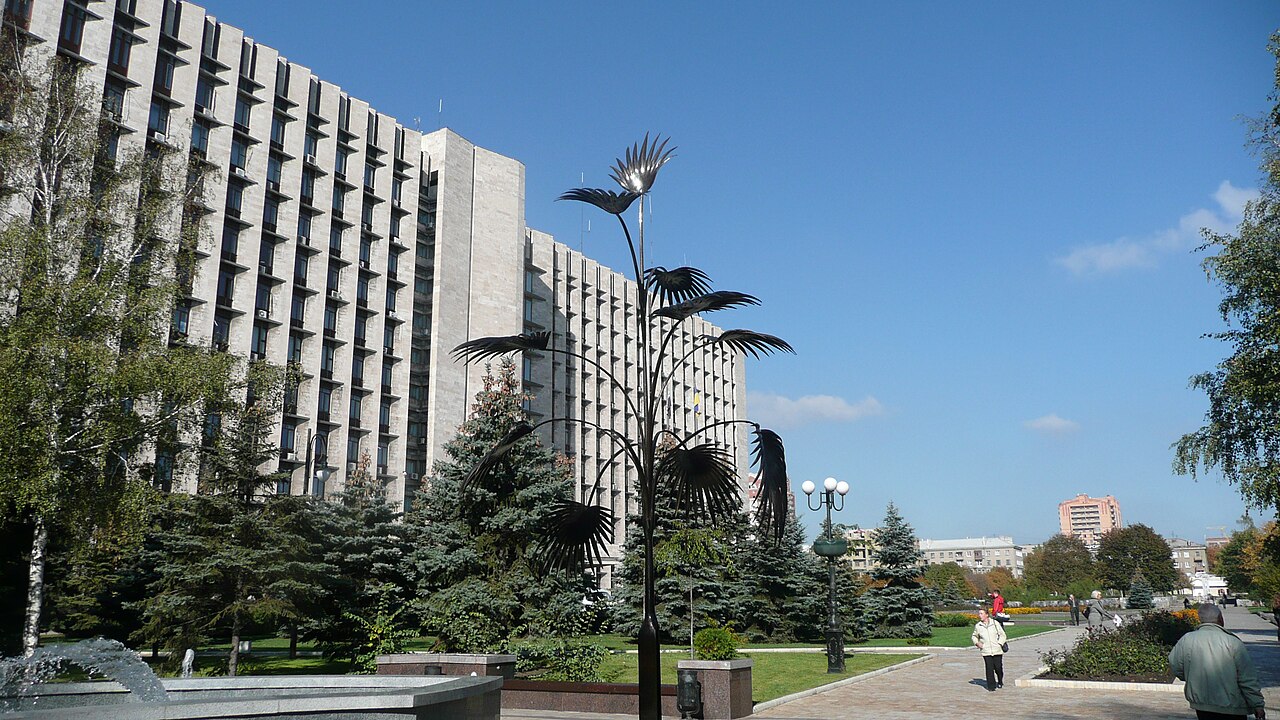
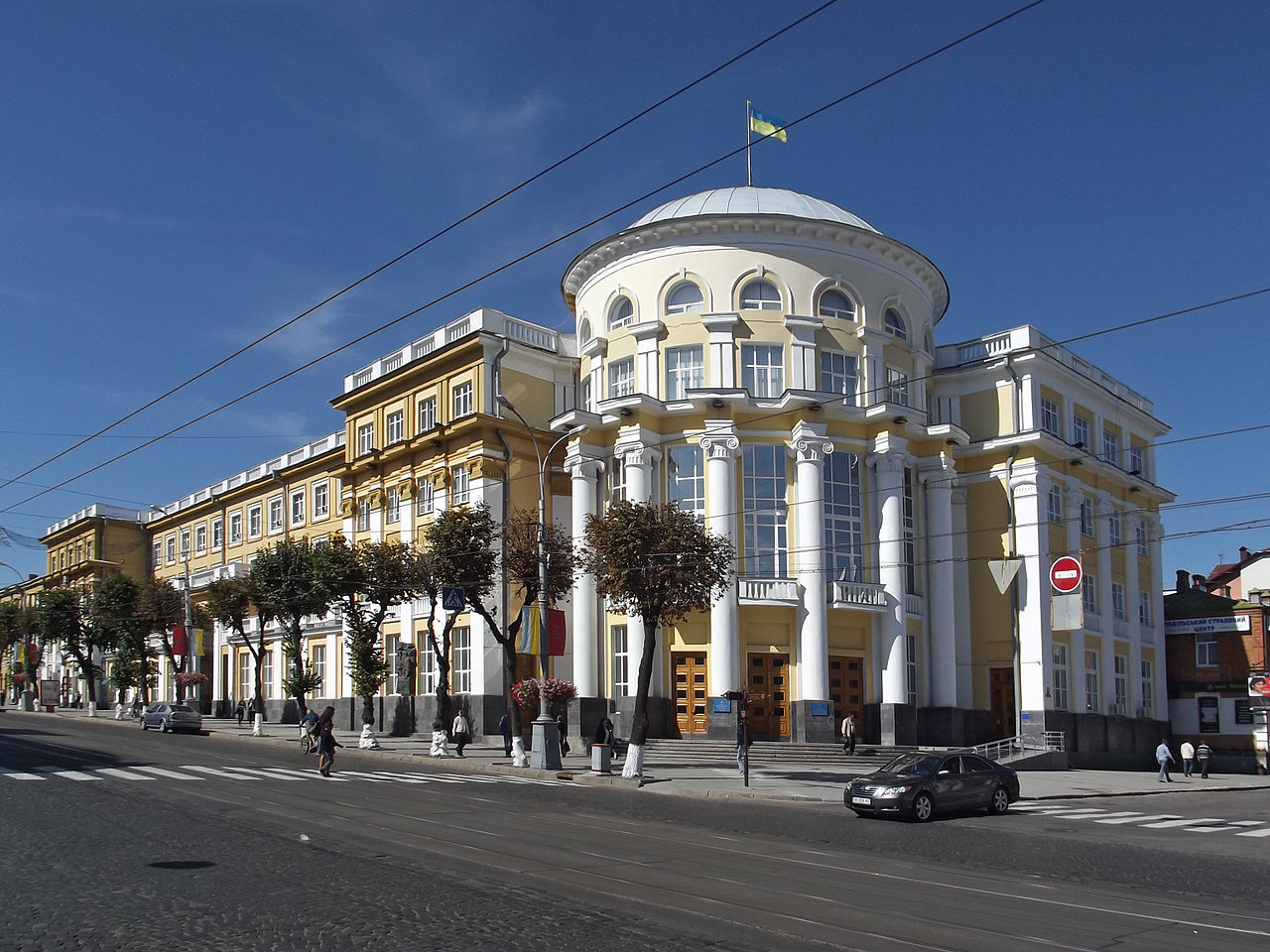
Each oblast typically has a regional council (oblast rada) elected by local voters and a state administration led by a governor (head of the regional state administration) who is appointed by the national executive. The council adopts regional development plans and local regulations, while the state administration implements national policy and coordinates public services. Administrative centers — usually the largest city in an oblast — host regional institutions.
Subdivisions and local units
- Raions: mid-level districts that group settlements for administrative purposes.
- Hromadas: local self-government communities responsible for many public services at the grassroots level.
- Cities with special status: Kyiv (and historically Sevastopol) have a distinct legal standing apart from oblast administration.
History and reforms
The current oblast system evolved through 20th-century administrative reorganizations and was retained after Ukraine became independent. In recent years Ukraine has pursued decentralization, strengthening local self-government and consolidating many smaller municipalities into larger hromadas. A nationwide reform of raion boundaries was also implemented to streamline administration and improve service delivery.
Oblasts serve important roles in regional economic planning, health and education oversight, transportation networks, and coordination of emergency and social services. They are also used as units for collecting statistics and for organizing regional elections. For official information about a specific oblast or current administrative arrangements see the central government resources: official regional information.
Notable practical and political issues affect some oblasts: the Autonomous Republic of Crimea and parts of a few eastern oblasts have been subject to international dispute and armed conflict, which has altered on-the-ground administration in those areas. Nevertheless, the 24 oblasts form the backbone of Ukraine's territorial organization and remain the primary frame for regional governance and planning.
Related articles
Author
AlegsaOnline.com Oblasts of Ukraine Leandro Alegsa
URL: https://en.alegsaonline.com/art/71784