
Ternopil: city and regional center in western Ukraine
Ternopil (Ukrainian: Тернопіль) is a city in western Ukraine, the administrative center of Ternopil Oblast. Known for its lake, university life, and layered history from the 16th century to the present.
Overview
Ternopil (Тернопіль) is a city in western Ukraine that serves as the administrative centre of Ternopil Oblast. It occupies a regional role as an educational, cultural and service hub. Population estimates have varied over time; published figures recorded about 245,000 inhabitants in 2004, while more recent counts reflect demographic changes common to many Ukrainian cities.
Image gallery
10 Images



Geography and notable features
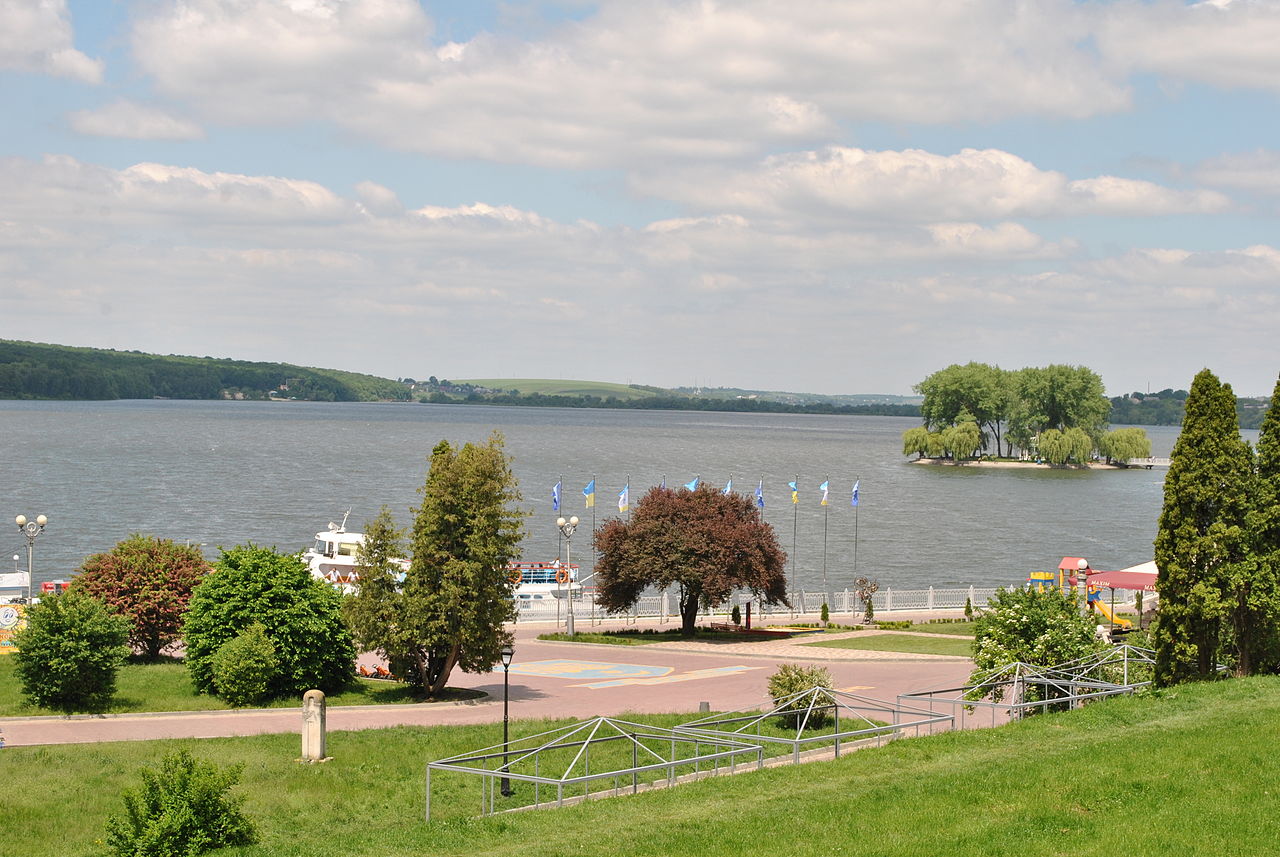
The city lies on the Seret River and is particularly identified with the Ternopil Pond, an artificial reservoir and parkland that forms the heart of local recreation. The surrounding landscape is part of the historic Podolia region — a mix of river valleys and fertile plains — which has influenced local agriculture and settlement patterns.
History and development
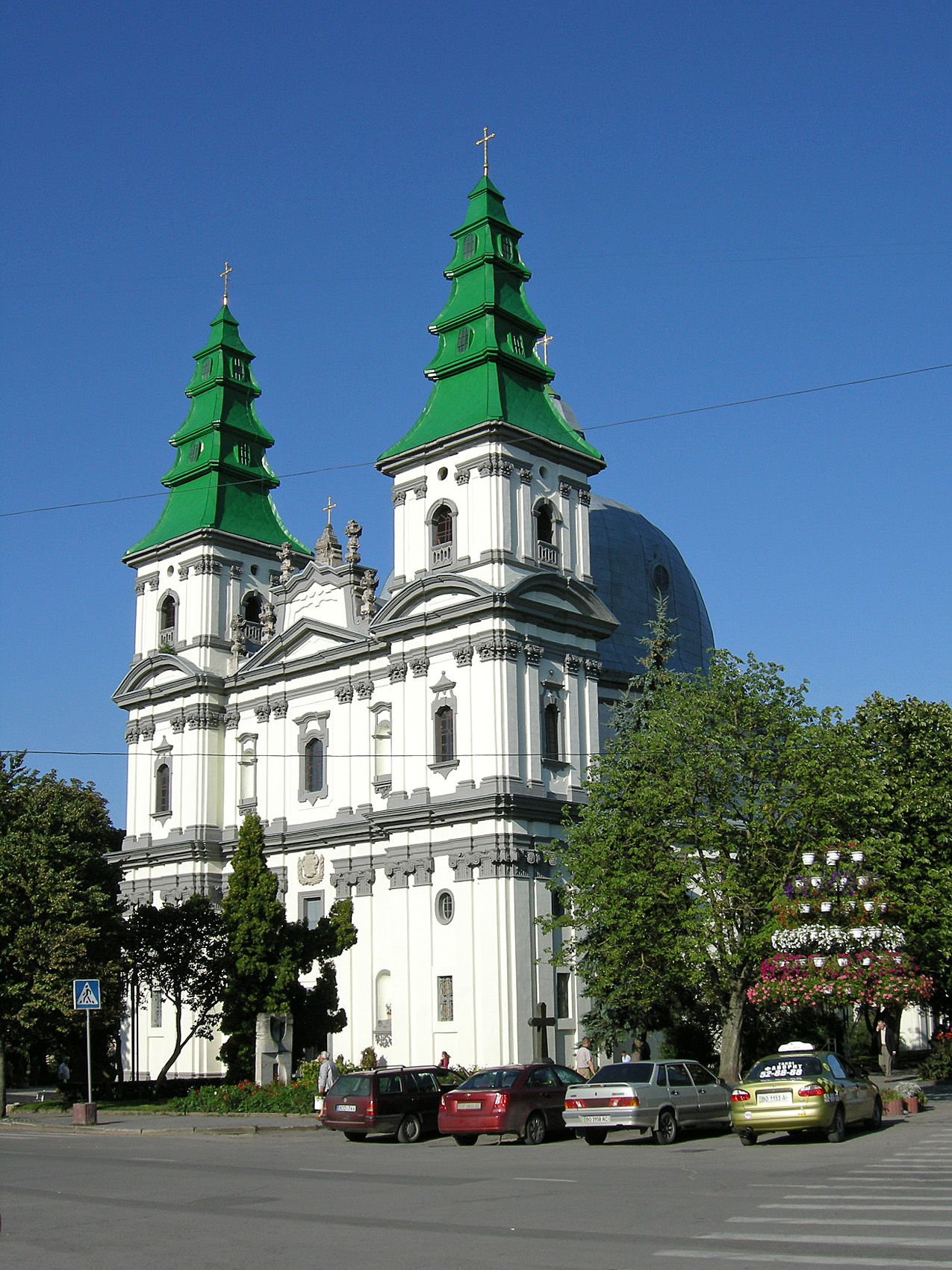
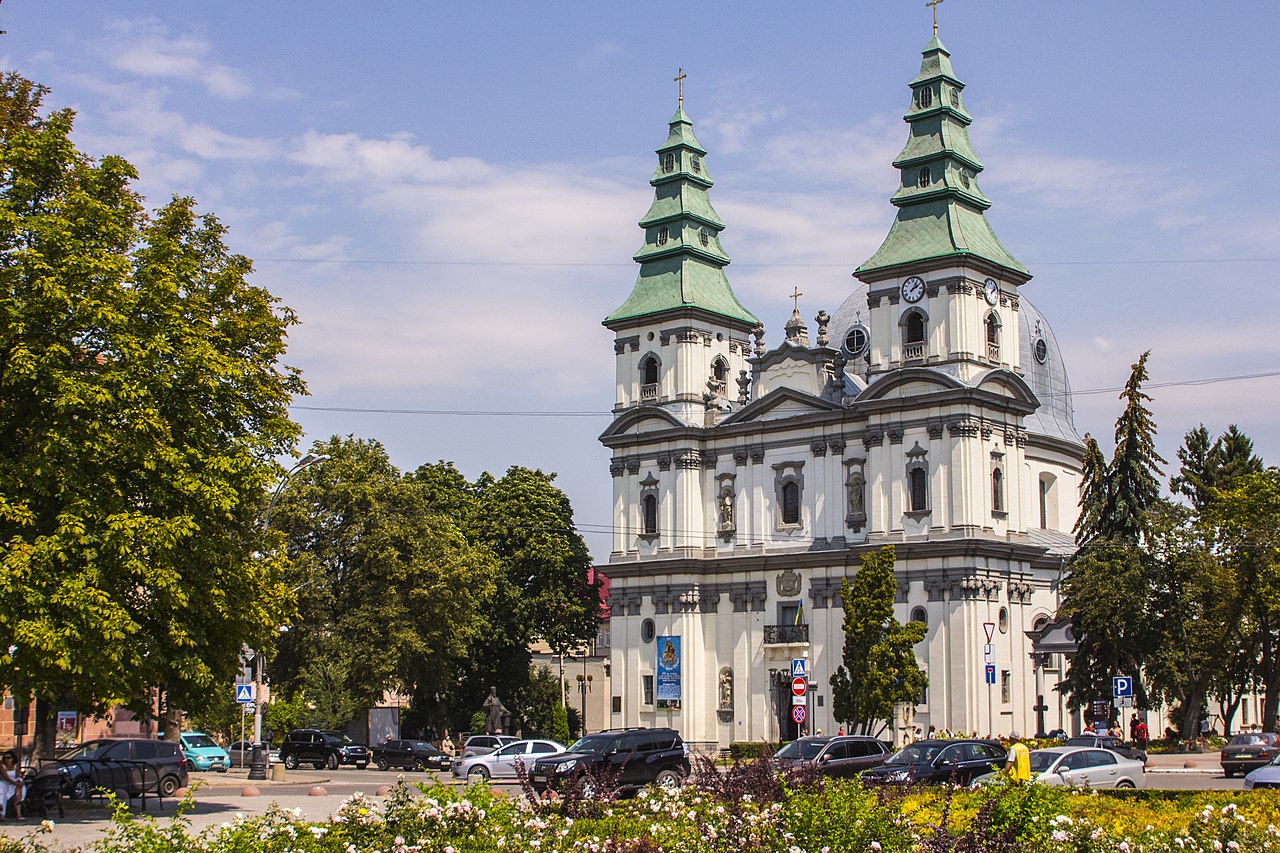
Ternopil was founded in the mid-16th century as a fortress town by the Polish noble Jan Tarnowski and developed under successive Polish, Austro-Hungarian and later Soviet administrations. Its strategic location meant the city experienced military action and reconstruction several times, including severe damage during World War II and subsequent postwar rebuilding. These layers of history are reflected in the city’s architecture and urban layout.
Economy, education and culture
Today Ternopil combines light industry, trade, and services with a sizeable educational sector. It hosts several higher-education institutions and colleges that draw students from the region, contributing to a lively cultural scene of theatres, museums and festivals. The lakeside promenade, parks and cafés are focal points for residents and visitors alike.
Transport and regional role
The city is a local transport hub with road and rail links connecting it to larger western Ukrainian centers. Its administrative status makes it a centre for regional governance and public services. Ternopil’s identity also includes linguistic and historical variations of its name (for example Polish forms), reflecting the multicultural history of the borderlands.
Distinctive facts
- Founded as a fortress in the 16th century; later transformed into an administrative and cultural centre.
- Known for the central pond and green public spaces that shape urban life.
- Home to universities and regional institutions that influence its economy and demographics.
Related articles
Author
AlegsaOnline.com Ternopil: city and regional center in western Ukraine Leandro Alegsa
URL: https://en.alegsaonline.com/art/97101
Sources
- pravda.com.ua : Мер Тернополя продає побачення з собою