
Tenkodogo, Burkina Faso
Tenkodogo is an eastern regional city in Burkina Faso, a historic Mossi center and market town. The 2006 census recorded 40,839 inhabitants; it serves as an administrative, cultural and commercial hub.
Tenkodogo is a regional city in eastern Burkina Faso. Often described as one of the country’s larger urban centres, it has historic ties to the Mossi states and functions today as an administrative and market town. The settlement combines traditional chieftaincy institutions with municipal administration and provides services to surrounding rural areas.
Image gallery
2 Images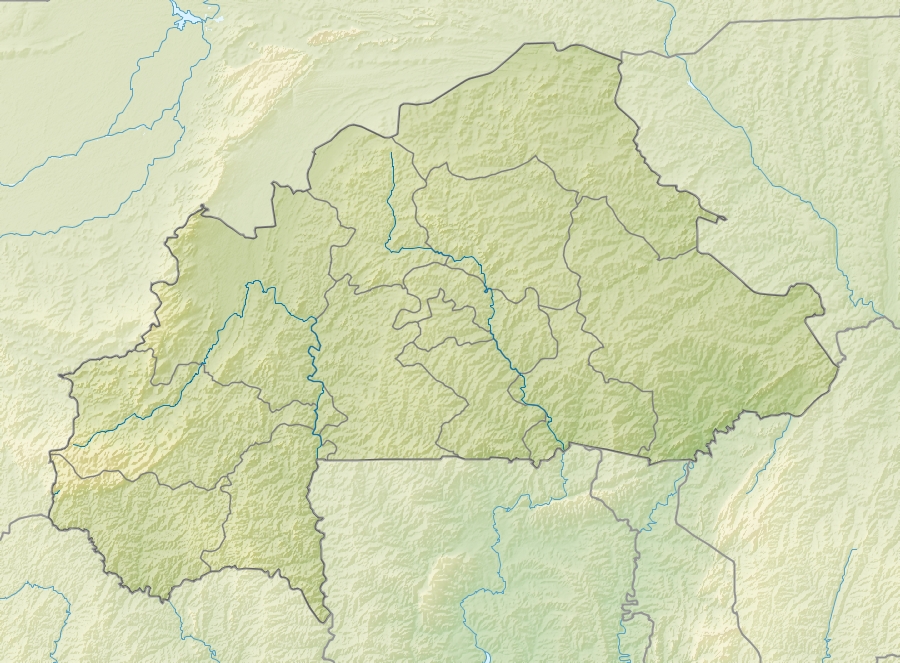
Location and geography
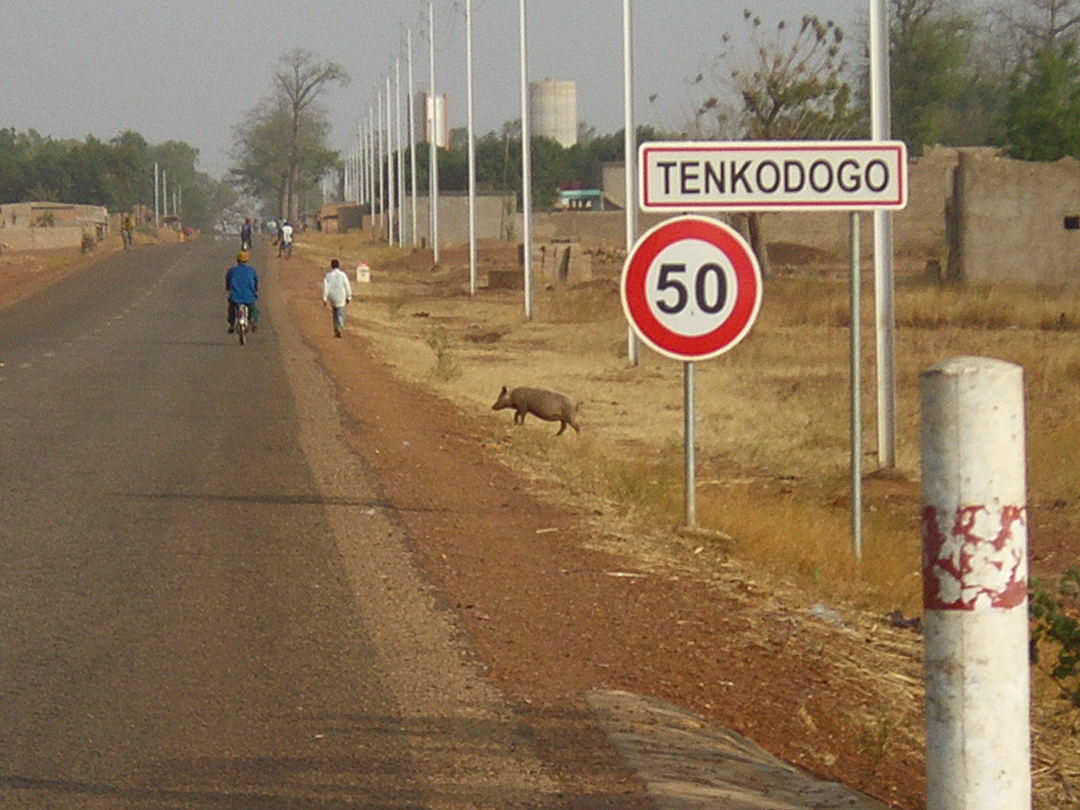
The town lies inland within the Sudanian savanna belt. The surrounding landscape is dominated by mixed woodland and farmland, and the seasonal climate—marked by a rainy season and a dry season—shapes agricultural cycles and local trade. Tenkodogo’s roads link it to neighbouring towns and larger regional centres, making it a local hub for transport and commerce.
History and cultural role
Tenkodogo developed around a traditional Mossi political centre and remains important as a seat for local chiefs and customary institutions. Cultural life often includes markets, local crafts and festivals that reflect Mossi heritage and the wider cultural diversity of the region. Traditional authority and contemporary governance coexist and influence civic life.
Population and administration
According to the 2006 census population report, Tenkodogo had 40,839 residents; that figure was broken down into 20,093 males (male figure) and 20,756 females (female figure). The city is commonly listed among the country’s larger settlements and serves as an administrative centre for its surrounding province and communes. Population estimates since 2006 vary and are usually updated in later national surveys.
Economy and transport
- Agriculture and market trade are central to the local economy; seasonal crops and livestock support rural livelihoods and urban markets.
- Small-scale commerce, crafts and service activities provide employment in the town itself.
- Road connections facilitate the movement of goods and people to regional markets and administrative services.
Public services and infrastructure
Tenkodogo hosts basic public services, including primary and secondary schools, health clinics and local government offices. Access to higher-level medical care and tertiary education generally requires travel to larger regional cities. Infrastructure development is ongoing and varies by neighbourhood.
Culture and community life
Community life blends traditional practices with contemporary influences. Markets, religious institutions and community associations are focal points for social interaction. Annual events, local ceremonies and everyday commerce create a rhythm that links urban residents with the rural hinterland.
Tenkodogo illustrates how medium-sized towns in Burkina Faso combine historical roots with modern administrative roles, serving as pivotal centres for culture, trade and governance in their regions.
Related articles
Author
AlegsaOnline.com Tenkodogo, Burkina Faso Leandro Alegsa
URL: https://en.alegsaonline.com/art/96977
Sources
- insd.bf : "Burkina Faso Census 2006"