
Tenkasi district — overview, geography, history and attractions
Tenkasi district in southern Tamil Nadu, India, created in 2019 from Tirunelveli. Known for its Western Ghats foothills, waterfalls (Courtallam), temple heritage and agricultural economy.
Overview
Tenkasi district is an administrative district in the southern Indian state of Tamil Nadu. It was carved out of the larger Tirunelveli district and formally announced by the state government on July 18, 2019. The district takes its name from its principal town, Tenkasi, which serves as the administrative headquarters.
Image gallery
1 Image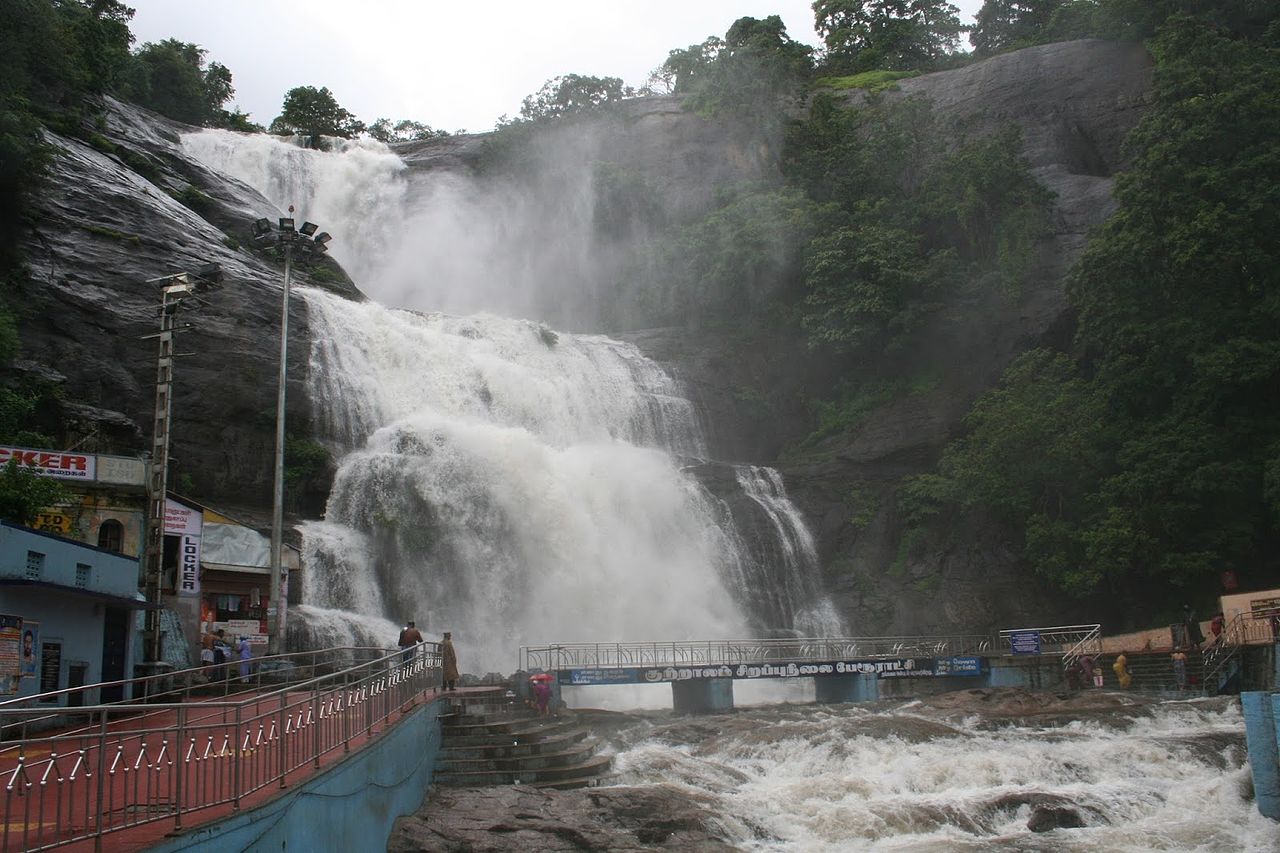
Geography and climate
Located near the western edge of India's Tamil Nadu state, Tenkasi lies close to the foothills of the Western Ghats. The terrain includes lowland plains used for farming and higher, forested uplands that feed several perennial streams and waterfalls. The district experiences a tropical climate with seasonal monsoon rains that recharge its hill streams and make the area particularly verdant during and after the rainy season.
History and culture
The region around Tenkasi has a long cultural history as part of South India, with temple architecture and local traditions reflecting centuries of regional dynasties and devotional practice. The town of Tenkasi itself is often referred to in local usage as the "Kasi of the South," a reference to its historic temple significance. Local festivals, temple rituals and classical arts remain important to the district's cultural life.
Economy and society
Agriculture is a primary livelihood for many residents, with cultivation adapted to the plain and upland terrain. Small-scale trade, services in the district headquarters, and tourism around natural and religious sites also contribute to the local economy. Social life combines rural village communities with the urban services and administration centered in Tenkasi town.
Tourism and notable sites
- Courtallam (Kutralam) waterfalls: A well-known cascade and bathing spot in the Western Ghats foothills; a major seasonal attraction when monsoon waters swell the falls.
- Temples and heritage: Historic temples in and around Tenkasi draw pilgrims and visitors interested in South Indian temple architecture and religious festivals.
- Hill landscapes: The nearby Ghats offer scenic drives, viewpoints and access to forested areas.
Administration and transport
The district is administered from Tenkasi town, which houses key government offices and civic services. Transport links include regional roads connecting the district to neighbouring urban centers and to state highways. Local bus networks and regional rail services provide further connectivity for residents and visitors.
As a recently formed district, Tenkasi continues to develop its administrative infrastructure while promoting its natural and cultural attractions. Visitors typically combine religious, wellness and nature-oriented itineraries when exploring the area.
Related articles
Author
AlegsaOnline.com Tenkasi district — overview, geography, history and attractions Leandro Alegsa
URL: https://en.alegsaonline.com/art/96976
Sources
- youtube.com : 8 தாலுகாக்களுடன் உதயமானது தென்காசி மாவட்டம்
- thehindu.com : "Tenkasi, Chengalpattu to become new districts"
- worldcat.org : 0971-751X
- tenkasidistrict.tamizzle.com : "Tenkasi District News Blog"