
Terengganu
Terengganu is a northeastern Malaysian state known for its coastline, islands, Malay culture, traditional crafts and a constitutional sultanate centred on Kuala Terengganu.
Terengganu (Malay pronunciation: Terengganu; Jawi: ترڠݢانو; locally Tranung) is a state on the northeastern coast of Peninsular Malaysia. Its administrative capital is Kuala Terengganu. The state has a long shoreline along the South China Sea and includes several celebrated offshore islands and marine parks that are important for tourism and biodiversity.
Image gallery
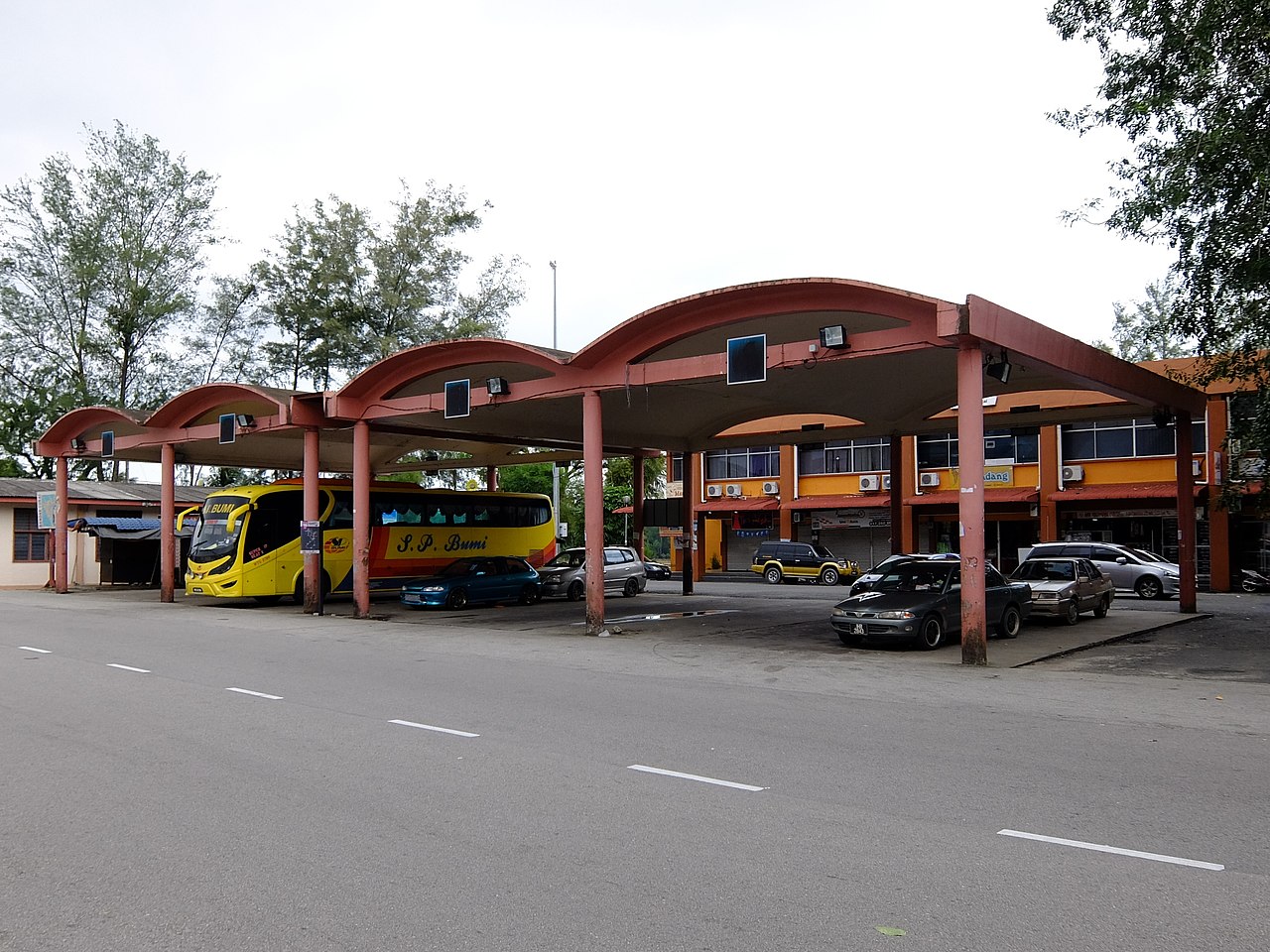
10 Images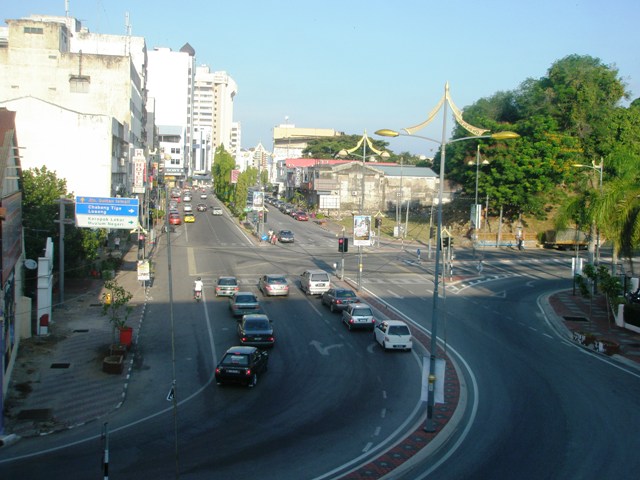


Geography and administration
Terengganu faces the South China Sea to the east and is framed by hilly interior highlands to the west. The coastline, estuaries and coral-fringed islands are a defining feature of the state. Administratively it is divided into several districts that manage local governance and services. Rural villages and coastal towns remain prominent alongside the state capital.
History and governance
Historically Terengganu developed as an independent Malay sultanate with strong Islamic cultural influence. Over centuries it engaged in trade across the Malay world and had interactions with neighbouring powers. In the modern period it became part of the Federation of Malaya and later Malaysia (Malaysia) and today is a constitutional monarchy under a state sultan within the federal system.
Economy and infrastructure
Traditional livelihoods such as fishing, small-scale agriculture and boat-building remain important along the coast. In the 20th century offshore oil and gas exploration also became a significant contributor to the state's economy, bringing infrastructure and investment to coastal areas. Transportation links concentrate on the capital, with roads, local ports and small airports supporting commerce and tourism.
Culture, crafts and tourism
Terengganu is widely regarded for its Malay cultural traditions. Local dialects such as Terengganu Malay coexist with standard Malay; the Jawi script is used in traditional contexts. Craftsmanship includes songket weaving, batik, brassware and traditional boat construction. The state is a popular domestic and international tourism destination for its beaches and islands—most notably marine destinations with opportunities for snorkeling and diving.
- Notable islands and marine areas: Perhentian and Redang islands are among the best-known destinations, valued for clear water and coral reefs.
- Capital and urban centre: Kuala Terengganu offers cultural sites, markets and waterfront promenades.
- Names and language: The state name appears in Thai sources as a local transcription, reflecting historical contacts across the region.
Visitors and researchers often encounter Terengganu through its natural attractions, living craft traditions and role as a maritime state. While modern development and energy industries have altered parts of the coast, many communities continue to maintain traditional practices that contribute to the state’s cultural identity and appeal.
Related articles
Author
AlegsaOnline.com Terengganu Leandro Alegsa
URL: https://en.alegsaonline.com/art/97068
Sources
- dosm.gov.my : dosm.gov.my/v1/index.php?r=column/cone&menu_id=QVNTL3R3cTdLTEg4dENzT3lCdTVBQT09
- statistics.gov.my : "Laporan Kiraan Permulaan 2010" · web.archive.org
- pmr.penerangan.gov.my : "Population by States and Ethnic Group" · web.archive.org
- hdr.undp.org : hdr.undp.org/data-center/country-insights
- tourism.gov.my : "Terengganu: Beach Paradise"