
Text to Speech (TTS): Overview, Technology, Uses and History
Text-to-speech converts written text into spoken audio using software engines. This article explains how TTS works, key components and synthesis methods, its history, common applications, and limitations.
Text to speech (TTS) is the conversion of written language into audible speech by computer systems. At its core TTS uses software that transforms text into an audio output rendered as a spoken voice. A TTS system typically includes a text analysis stage that prepares the input, an acoustic model that decides how the words should sound, and a synthesis engine that produces the final waveform. Modern implementations may be provided as local libraries, cloud services, or integrated features in devices and apps.
Image gallery
8 Images




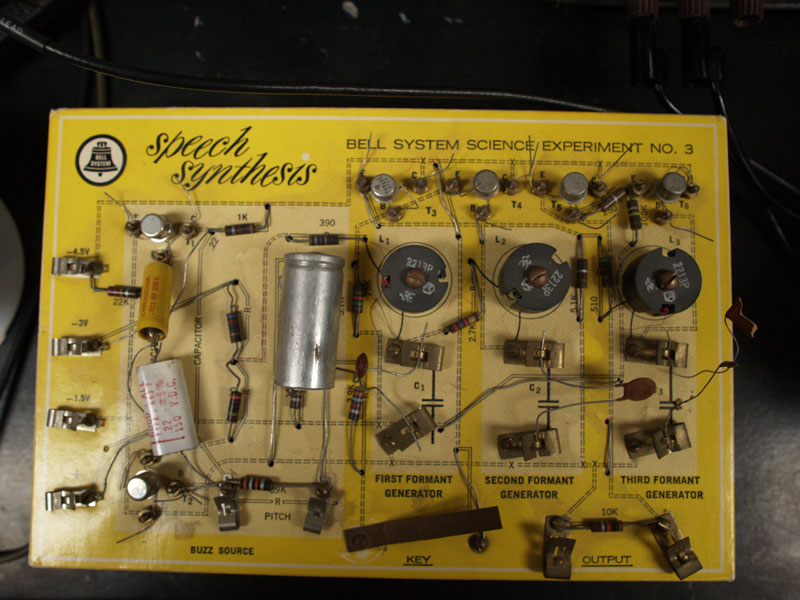

Key components and process
Most TTS systems follow a pipeline of distinct steps. These commonly include:
- Text normalization: expanding numbers, dates and abbreviations into words the system can pronounce.
- Linguistic analysis: finding word boundaries, part-of-speech, and appropriate intonation patterns.
- Phonetic conversion: mapping text to phonemes or other sound units.
- Acoustic modeling and synthesis: generating the audio waveform from the phonetic and prosodic information.
Synthesis approaches
Over time several approaches have been used to generate speech. Concatenative synthesis pieces together recorded segments of human speech and can sound natural but requires large voice databases. Parametric methods generate speech from parameters (for example with statistical models) and are more flexible and compact. In recent years neural-network-based models have produced markedly more natural intonation and smoother voices; these models learn the mapping from linguistic input to audio directly and can be trained to produce different speaking styles.
History and development
Research on machine speech production began in the 20th century and progressed from simple rule-based systems to data-driven methods. Early laboratory systems demonstrated intelligible synthesized speech, and by the late 20th century commercial TTS products were available for specialized applications. The 21st century brought large datasets, faster processors and deep learning techniques that substantially improved naturalness, flexibility and multilingual support.
Applications and examples
TTS is widely used across many fields. Common applications include:
- Accessibility: screen readers and reading tools for people with visual impairments or reading difficulties.
- Hands-free interfaces: navigation systems, in-car assistants and smart speakers.
- Customer service: interactive voice response systems and automated announcements.
- Content creation and education: audiobooks, language learning aids and narrated presentations.
- Post-processing of automated translations: turning machine translation results into audible output for users.
Distinctions, limitations and considerations
While modern TTS can be highly intelligible and expressive, differences remain between synthesized and human speech in subtle timing and emotional nuance. Challenges include producing natural prosody, handling rare words or names, and supporting many languages and dialects. Additional considerations cover voice licensing, privacy and misuse risks such as unauthorized voice cloning. Standards and markup languages exist to guide prosody and pronunciation, enabling developers to control emphasis, pauses and voice selection in many systems.
For further technical references or implementations, see vendor documentation and developer guides that explain specific engine features and integration methods via libraries and cloud APIs.
software documentation, audio samples and output examples can help compare voices, while information about synthesized voice quality and supported text formats is often available in API references.
Related articles
Author
AlegsaOnline.com Text to Speech (TTS): Overview, Technology, Uses and History Leandro Alegsa
URL: https://en.alegsaonline.com/art/97315