
Tehran Province
Province in north-central Iran that contains the nation's capital; a political, economic and cultural center bordered by the Alborz range and the central plateau.
Overview
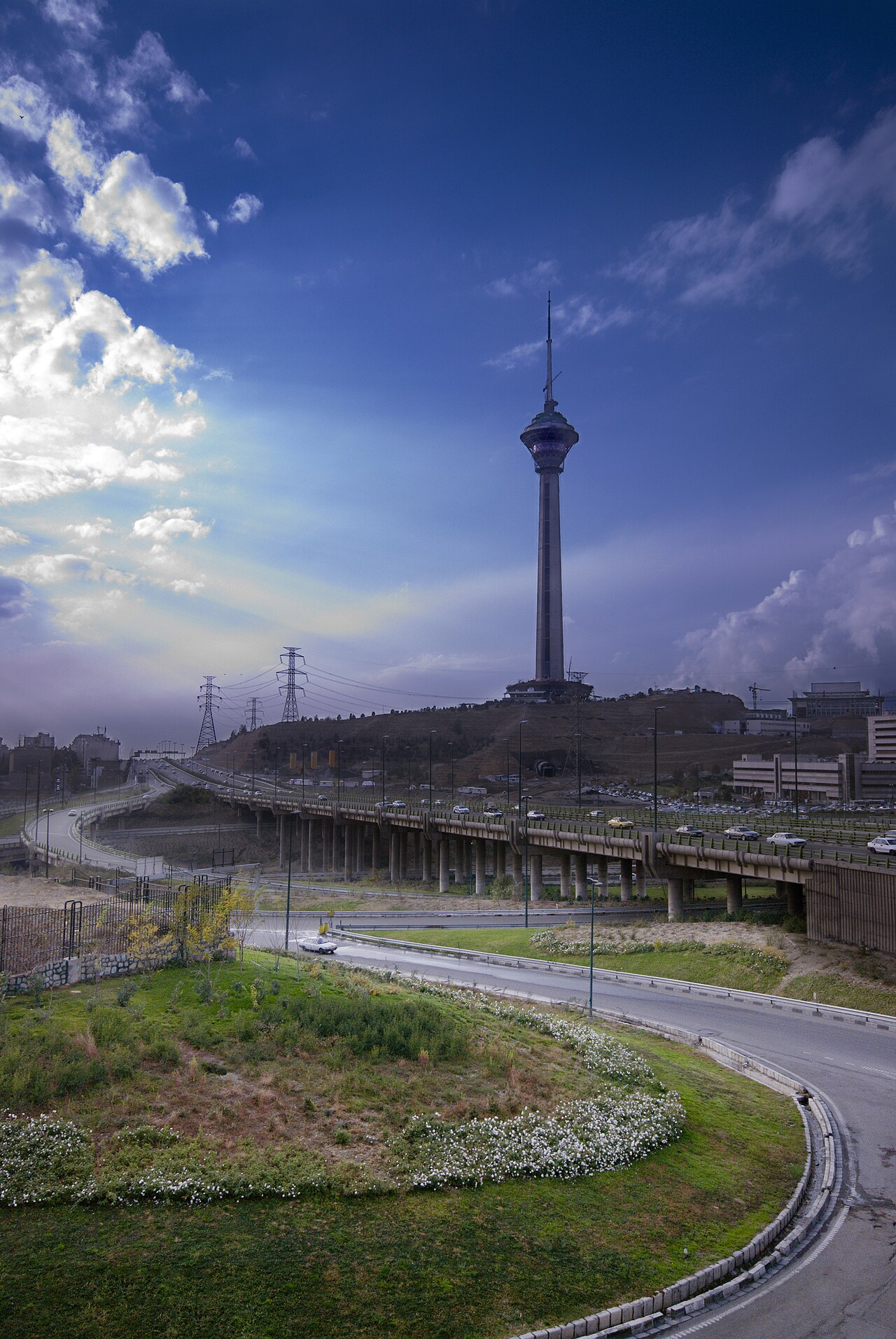
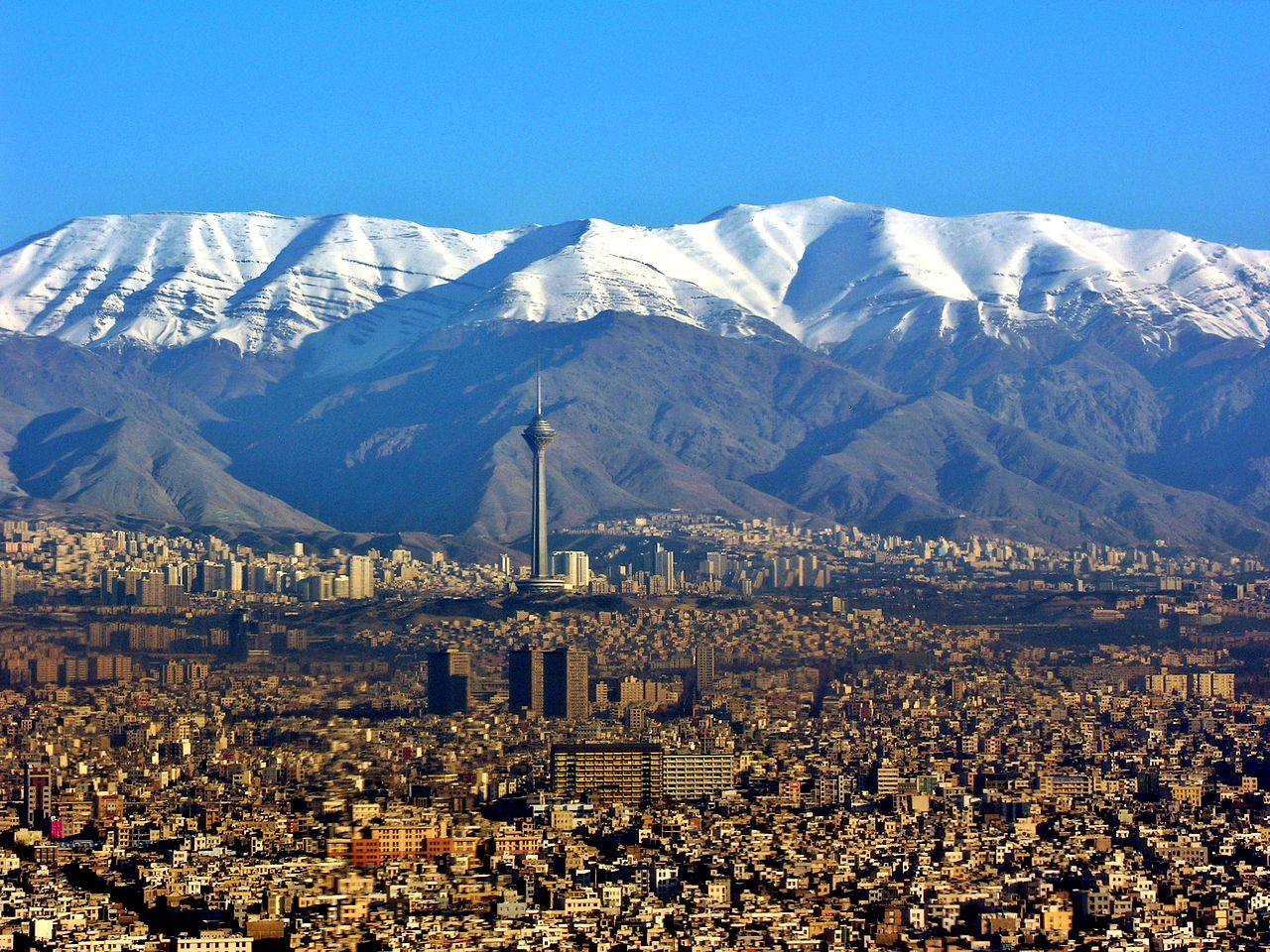
Tehran Province is a major administrative region in north-central Iran, and includes the city of Tehran, the country's political and economic capital. The province occupies a transitional zone between the high Alborz mountains to the north and the central Iranian plateau to the south. It is widely recognized as Iran's most populous and economically active province.
Image gallery
10 Images



Geography and climate
The province stretches across varied terrain: rugged slopes of the Alborz in the north give way to lower plains and urban areas toward the plateau. Elevation and proximity to the mountains create marked climatic differences across short distances, with colder, snow-prone winters in the highlands and drier, warmer conditions in the southern suburbs. Its total area has been reported as about 18,909 square kilometers in older sources, though administrative changes have altered boundaries in recent decades.
Administration and history
Historically a strategic and population center, Tehran rose to prominence after it was established as Iran's capital in the late 18th century. Administratively, records from the mid-2000s note that the province contained 13 townships, 43 municipalities and 1,358 villages; those counts appear in documentation linked to the province's Persian name استان تهران. In 2010 a portion of the former territory was separated to form Alborz Province, a change that affected local governance and statistics.
Economy, transport and institutions
As the seat of national government, Tehran Province concentrates many ministries, universities and major businesses. Transport infrastructure includes international and regional airports, extensive road and rail networks linking the capital to other parts of the country, and commuter systems serving the metropolitan area. Key municipal and local government structures are detailed in provincial records and directories (municipalities), while rural settlement lists appear in other administrative sources (villages).
Culture and notable features
- Major cultural institutions and universities are based in the provincial capital.
- Historic palaces, modern monuments and museums make the capital a cultural hub.
- Natural attractions in the northern highlands offer recreation and winter sports.
Environmental and social issues
The province faces significant challenges from rapid urban growth: air pollution, water resource stress and suburban sprawl are ongoing concerns. Its situation between the mountains and the plateau shapes both opportunities and constraints for development and conservation as planners balance the needs of a large metropolitan population with regional ecosystems and infrastructure.
For further administrative and geographic reference see provincial listings and national overviews of Iran's provinces and the description of the central plateau region (central plateau).
Related articles
Author
AlegsaOnline.com Tehran Province Leandro Alegsa
URL: https://en.alegsaonline.com/art/96759