
Temperate climate: characteristics, types, and significance
Temperate climates occupy mid-latitudes between the subtropics and polar zones. They feature moderate temperatures, distinct seasons, varied precipitation patterns and support diverse ecosystems and agriculture.
The term temperate climate describes a broad band of Earth's surface where conditions are generally moderate — neither tropical heat nor polar cold dominate year-round. In geographic terms this belt lies between the subtropics and the polar circles, a region often referred to as the temperate latitudes on maps of the Earth. Studies of geography and climatology use this designation to group areas that share similar seasonal behaviour and energy budgets.
Temperate zones are defined less by a single temperature and more by patterns: larger temperature swings between seasons than in the tropics, yet milder extremes than polar areas. Many temperate places experience the familiar cycle of summer, autumn, winter and spring, though the intensity and timing of these seasons differ by latitude, elevation and proximity to oceans. In some regions the concept of four seasons is clear and regular; in others, seasonal transitions are more gradual or variable.
Image gallery
6 Images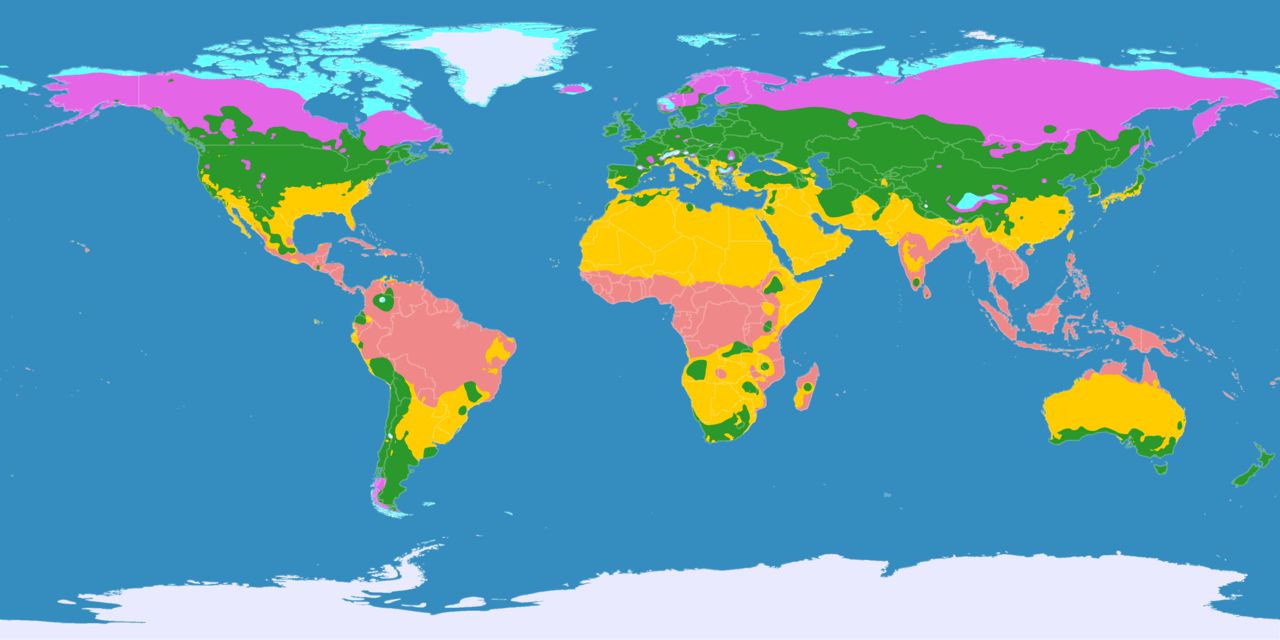



Common climate types in temperate regions
- Oceanic (maritime): mild winters and cool summers, frequent precipitation and narrow annual temperature range.
- Humid continental: greater seasonal contrast with hot summers and cold winters, often inland away from moderating seas.
- Mediterranean: dry, warm summers and wet, mild winters typically on western continental margins.
- Temperate steppe and transitional: drier zones between true temperate forests and arid plains, sometimes with large daily or seasonal swings.
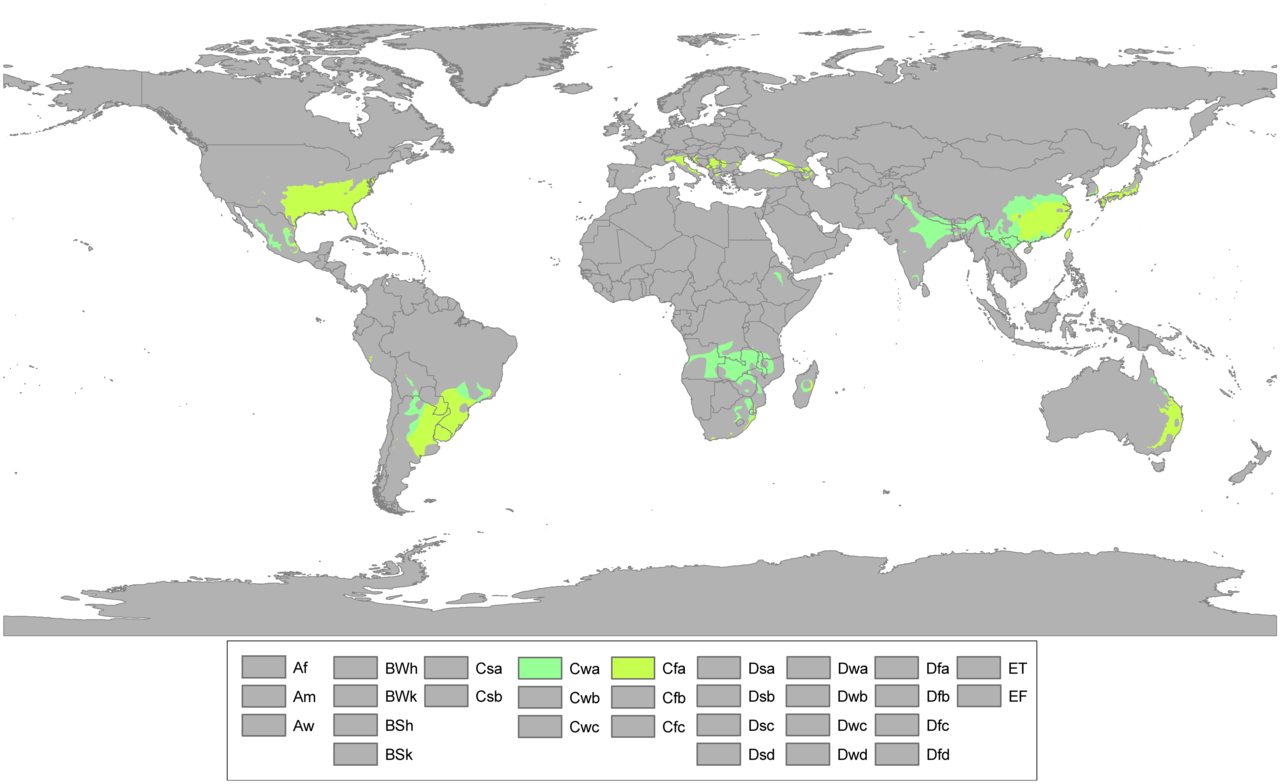
These patterns are often classified using systems such as the Köppen scheme, but simpler descriptions emphasize the role of air masses, prevailing winds and ocean currents. For example, coastal currents can moderate temperatures and increase humidity, while inland positions and mountain ranges create more extreme or localized climates.
Characteristics and impacts
- Moderate average yearly temperatures with notable seasonal change.
- Variable precipitation regimes: year-round rain, winter-dominant, or summer-dominant depending on type.
- Rich temperate vegetation zones, including deciduous forests, mixed forests and grasslands, that support diverse wildlife.
- High suitability for many forms of agriculture and dense human settlement due to favorable growing seasons.
Temperate climates have shaped human history: many of the world's major agricultural regions and cultural centers developed where growing seasons are reliable but not extreme. At the same time, temperate zones are sensitive to changes in atmospheric circulation and sea surface temperatures; shifts in these drivers can alter season timing, precipitation patterns and extreme weather frequency.
Notable distinctions include transitional areas where temperate conditions grade into subtropical or subpolar climates, and microclimates created by elevation, urbanization or local water bodies. For practical reference and further reading on regional examples, season definitions and mapping concepts, see introductory resources on summer, winter, the idea of four seasons, and general materials about the tropics and other latitudinal zones. Additional context and regional studies can be explored via resources linked to geographic overviews and climate atlases (geography, temperate latitudes, Earth, subtropics, polar circles, temperate climate, autumn, spring).
Understanding temperate climates helps in planning agriculture, conserving temperate ecosystems, and preparing for climate variability. Local descriptions — whether coastal, inland, mountainous or littoral — remain essential because the broad label 'temperate' covers a wide variety of living conditions and weather regimes.
Questions and answers
Q: What are temperate latitudes?
A: Temperate latitudes are regions of the Earth located between the subtropics and the polar circles, where average yearly temperatures are moderate.
Q: What does temperate mean?
A: Temperate means moderate, neither burning hot nor freezing cold.
Q: Do places with a temperate climate have four seasons?
A: Yes, most places with a temperate climate have four seasons: summer, autumn, winter, and spring.
Q: Can temperatures change greatly in areas with a temperate climate?
A: Yes, temperatures can change greatly in areas with a temperate climate between summer and winter.
Q: Is weather in areas with a temperate climate predictable?
A: No, weather in areas with a temperate climate can be very unpredictable.
Q: Can it be sunny one day and rainy the next day in areas with a temperate climate?
A: Yes, it is normal for weather to change between sunny, rainy, and cloudy days in areas with a temperate climate.
Q: What are the main types of temperate climate?
A: The main types of temperate climate include oceanic, continental, and Mediterranean climates.
Related articles
Author
AlegsaOnline.com Temperate climate: characteristics, types, and significance Leandro Alegsa
URL: https://en.alegsaonline.com/art/96906