
Technological singularity: concept, history, scenarios, and debates
The technological singularity is the hypothetical point when machines surpass human intelligence, with debated timelines, potential consequences, cultural portrayals, and ethical and policy challenges.
Overview
The technological singularity is a proposed future moment when artificial intelligence or networks of machines reach and then exceed human cognitive capabilities in a way that produces rapid, qualitatively different technological change. The term is used to describe a range of scenarios, from an era of unprecedented problem solving and abundance to outcomes that could greatly disrupt human life. Because it remains hypothetical, most discussion emphasizes uncertainty and a spectrum of plausible pathways rather than a single, definite outcome.
Image gallery
6 Images


Key characteristics and models
Descriptions of a singularity often emphasize a few recurring features: accelerating improvement in machine intelligence, feedback loops that speed further self-improvement, and qualitative shifts in the kinds of tasks machines can perform. Some models focus on narrow advances (specialized systems that quickly proliferate), while others imagine a transition to artificial general intelligence (AGI) with broad reasoning and learning abilities. Analysts distinguish between gradual improvements, punctuated leaps, and runaway self-modification as different mechanisms that could bring about a singularity.
Origins and development of the idea
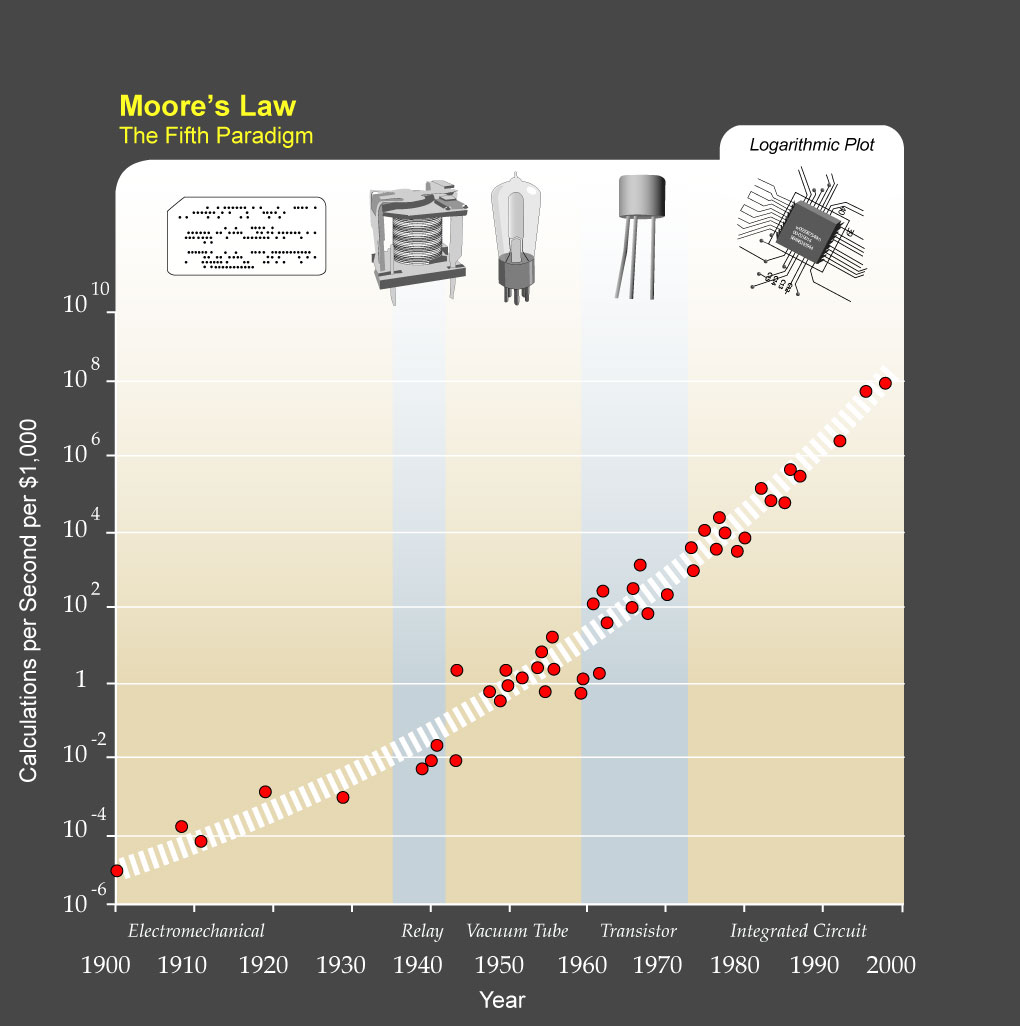
The concept draws on computer science, futurism, and earlier philosophical speculation about machines and minds. Modern discussion intensified in the late 20th and early 21st centuries alongside rapid advances in computing, machine learning, and networked systems. Influential contemporary proposals include predictions by public figures who study technological trends and invention: some futurists and technologists have offered timelines and mechanisms, for example the claim by the futurist futurist and the inventor inventor Ray Kurzweil, who has forecast that human-level machine intelligence could appear within the early to mid 21st century and has set a tentative date often cited as 2045. Those estimates typically rely on interpretations of trends such as Moore's Law and improvements in algorithms and data availability, though the assumptions and dates are debated.
Potential consequences and scenarios
Because the singularity is speculative, commentators propose a variety of consequences ranging from broadly beneficial to highly dangerous. Commonly discussed scenarios include:
- Positive transformation: accelerated problem solving, medical and scientific breakthroughs, and systems that alleviate scarcity or increase wellbeing.
- Economic disruption: widespread automation leading to structural unemployment and new social arrangements; discussions often reference concerns about mass unemployment.
- Human enhancement or integration: closer human–machine coupling, cybernetic augmentation, or forms of mind uploading that change personal identity and lifespan expectations.
- Existential risk: scenarios in which misaligned or hostile superintelligence threatens human interests, including the extreme possibility of human extinction in some thought experiments.
Scholars and practitioners emphasize intermediary steps (policy, safety research, governance) to reduce risks while capturing benefits.
Cultural portrayals
The singularity has been a rich topic for fiction and popular culture. Notable portrayals dramatize different fears and hopes: the autonomous antagonists of The Terminator, the simulated realities in The Matrix, and the assimilating collective intelligence represented by the Borg in Star Trek. These works explore themes of control, identity, and coexistence between humans and powerful machines.
Debates, distinctions, and current research
Debate over the singularity centers on probability, timing, and governance. Technical research aims at robust, interpretable, and aligned AI systems; social research examines economic policy, legal frameworks, and ethical norms. Distinctions commonly made in scholarly conversation include narrow versus general AI, incremental versus discontinuous change, and local versus global impacts. For accessible background on the scientific and philosophical dimensions, readers can consult overviews of artificial intelligence and writings by prominent voices in the field, including the Kurzweil perspective and critical responses from other researchers. The topic also raises persistent practical questions about preparedness and values that society should bring to decisions about AI development.
Because the singularity remains a hypothesis rather than an established event, thoughtful coverage treats it as a focal point for discussing research priorities, governance design, and public dialogue rather than as an inevitable prediction. For additional perspectives, many sources from futurism, technology policy, and science fiction continue to shape how the idea is understood and debated.
futurist | inventor | Kurzweil | artificial intelligence | human extinction | mass unemployment
Related articles
Author
AlegsaOnline.com Technological singularity: concept, history, scenarios, and debates Leandro Alegsa
URL: https://en.alegsaonline.com/art/96690