
Ray Kurzweil: inventor, futurist, and advocate of the technological singularity
Overview of Ray Kurzweil’s life, inventions, writings, and influence as an author, inventor and proponent of accelerating technology and the singularity.
Overview
Raymond "Ray" Kurzweil (born February 12, 1948) is an American inventor, author and futurist known for his writings and predictions about artificial intelligence, human longevity and the technological singularity. He was born in Queens, New York City, and has worked across computing, speech and music technologies as an entrepreneur and researcher. Kurzweil is widely cited for popularizing ideas about exponential technological growth and for arguing that machines and humans will increasingly merge.
Image gallery
3 Images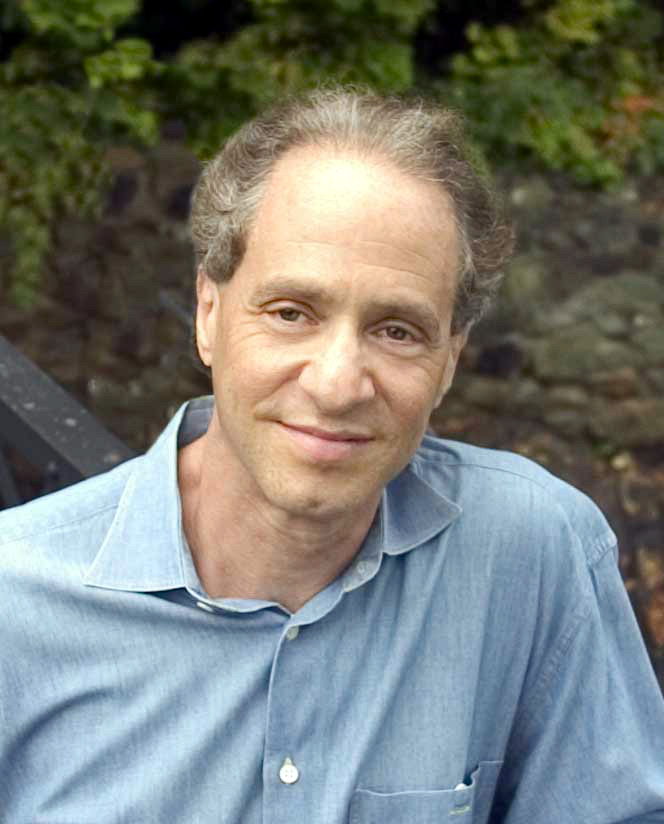


Career and major inventions
Kurzweil founded several companies that developed practical applications of pattern recognition, optical character recognition (OCR), and synthetic sound. He produced an early reading machine for the blind that combined OCR with text‑to‑speech, and he brought advanced electronic music synthesizers to market. His work spans hardware and software innovation, systems that enabled early speech recognition, and products intended for education and accessibility.
Books and central ideas
As an author, Kurzweil has published multiple bestselling books exploring themes such as health, artificial intelligence, transhumanism and prospects for extended life. Notable titles include works that examine how machine intelligence will advance and how humans might integrate with technology. He is one of the most prominent advocates of the idea of a technological singularity, a hypothetical point when machine intelligence rapidly outpaces human intelligence. Kurzweil also writes and speaks frequently on broader futurism topics and maintains an online presence summarizing developments in AI and related fields.
Role in industry and research
Kurzweil has combined entrepreneurship with public advocacy. He has launched and led technology firms, and in 2012 he joined a major technology company as a leader in machine intelligence research; he remains known as a proponent of aggressive research into AI and cognitive modeling. His public profile includes keynote talks at conferences and a steady stream of essays, interviews and online writing aimed at both technical and popular audiences.
Reception, debate and influence
Supporters praise Kurzweil for translating technical trends into accessible forecasts and for producing usable assistive technologies. Critics challenge the timing and certainty of some of his predictions, and caution that social, economic and ethical factors complicate simple extrapolations of current trends. His ideas have stimulated debate about how society should prepare for accelerating automation, possible human enhancement, and ethical questions around mind‑machine integration.
Selected facts and further reading
- He is frequently described as an entrepreneur, inventor and futurist.
- Kurzweil has written widely on AI and related fields; his bibliography includes books addressing both technical and popular audiences.
- He continues to publish commentary and curate news about emerging technologies online and to speak at conferences, contributing to public conversation about the future of intelligence and longevity.
- In 2012 he joined a major technology company as a director of engineering focused on machine intelligence.
For readers seeking primary sources or a fuller list of writings, see author pages and curated archives linked from official profiles and Kurzweil’s own sites. Additional context about the technological singularity, transhumanist ideas and longevity science can be found through academic and journalistic coverage that assesses both the technical claims and ethical implications of these positions.
Questions and answers
Q: Who is Raymond Kurzweil?
A: Raymond Kurzweil is an American author, entrepreneur, inventor, and futurist.
Q: What topics did Kurzweil write books about?
A: Kurzweil wrote books about health, artificial intelligence (AI), transhumanism, immortality, the technological singularity, and futurism.
Q: What are some conferences Kurzweil speaks at?
A: Kurzweil speaks at conferences like DEMO, SXSW, and TED.
Q: What is KurzweilAI.net?
A: KurzweilAI.net is a news website maintained by Kurzweil with more than three million readers per year.
Q: Does Kurzweil have any siblings or children?
A: Yes, Kurzweil has a sibling, a son named Ethan Kurzweil, and a daughter named Amy Kurzweil.
Q: Where does Kurzweil work and what is his job title?
A: Kurzweil has been working at Google since 2012 and is currently a "director of engineering".
Q: How many of Kurzweil's books were national bestsellers?
A: Five of Kurzweil's seven books were national bestsellers.
Author
AlegsaOnline.com Ray Kurzweil: inventor, futurist, and advocate of the technological singularity Leandro Alegsa
URL: https://en.alegsaonline.com/art/144689