
Targum — Aramaic translations and interpretive renderings of the Hebrew Bible
Targum: Aramaic translations and interpretive renderings of the Hebrew Bible produced from the late Second Temple era through the early Middle Ages, used in synagogue reading, study, and Jewish exegesis.
Overview
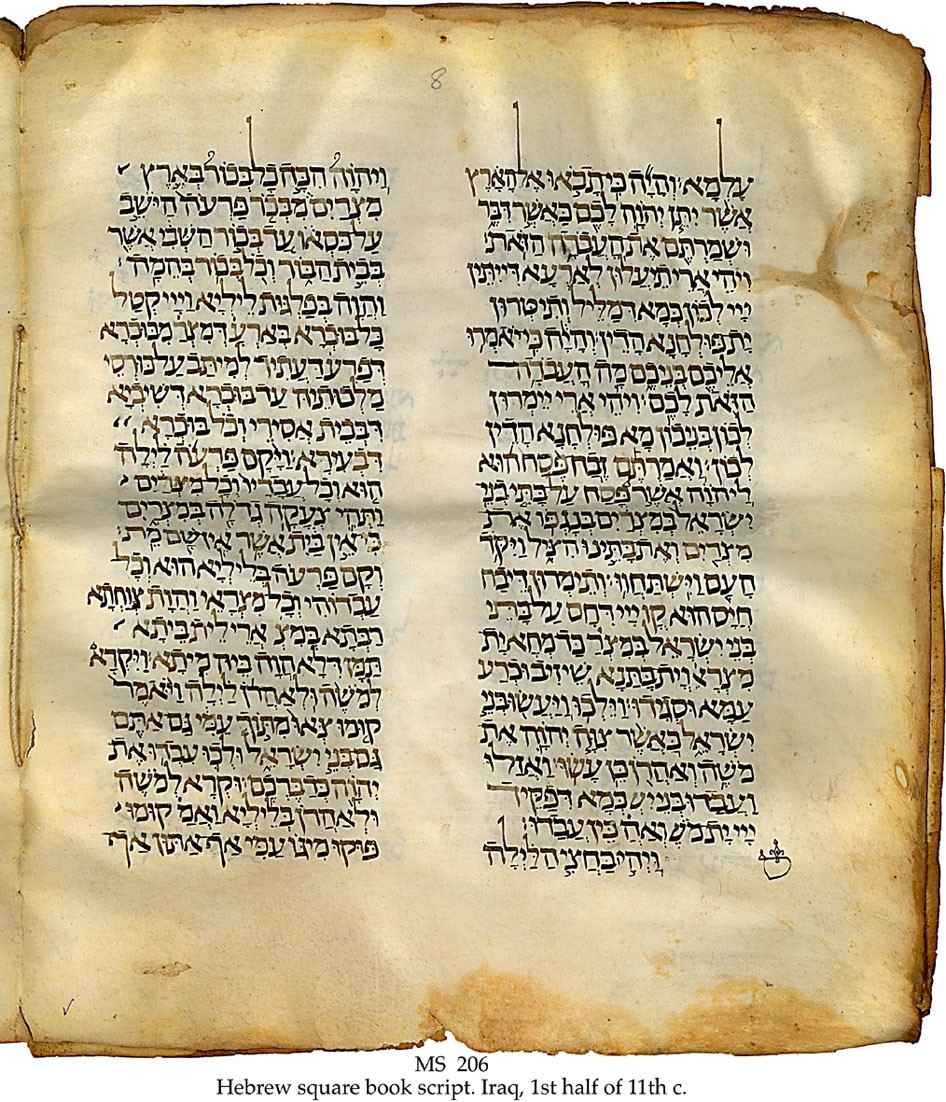
Targum (from a root meaning "translation" or "interpretation") refers to Aramaic versions and oral renderings of the texts of the Hebrew Bible. Originally these were spoken paraphrases offered alongside public reading of Hebrew scripture so listeners who spoke Aramaic could follow the text. Over time many of the oral renditions were committed to writing and developed into a body of literature that blends translation, commentary and expansion.
Image gallery
2 Images
Language and form
The targumim are composed in varieties of Aramaic, the lingua franca of many Jewish communities in antiquity. Some targumim pursue a relatively literal rendering of the Hebrew, while others are freely interpretive: they supply clarifications, theological glosses, and narrative details absent from the Hebrew. In Jewish usage the word itself corresponds to the general idea of translation or paraphrase, and related terms appear in neighboring languages such as Arabic.
History and development
Scholars trace the emergence of targumic practice to the period when Aramaic supplanted Hebrew as the spoken tongue of many Jewish communities, a process that took shape in the late Second Temple era and continued afterward. Distinct targumic traditions grew in geographic centers such as Palestine and Babylonia, and the corpus continued to be produced and copied into the early Middle Ages. Important written witnesses include different Palestinian and Babylonian texts preserved in manuscripts and later printed editions.
Major types and examples
- Targum Onkelos — a widely used Aramaic rendition of the Torah noted for its relative literalism.
- Targum Jonathan — a prominent targum for the Prophets (Nevi'im) with interpretive elements.
- Other targumim cover parts of the Writings (Ketuvim) and exist in both Palestinian and Babylonian forms; some are fragmentary or survive only in later quotations.
Uses and significance
Targumim served practical, pedagogical and theological functions: they made scripture intelligible in the language of ordinary listeners, provided exegetical guidance, and preserved traditions that reflect rabbinic and sectarian readings. In the medieval period targumim continued to influence Torah study and liturgical practice; today they are studied by scholars of Jewish history, linguistics, and biblical interpretation.
Distinctive features and modern study
Compared with a modern notion of translation, targumim often blend translation with midrashic expansion. They are therefore valuable for reconstructing ancient interpretive traditions and the history of religious ideas. Contemporary editions and commentaries bring together manuscript evidence and earlier printed versions; researchers consult both Palestinian and Babylonian traditions to understand regional differences and development.
Further reading and resources can be found in collections of targumic texts and academic studies; see language and manuscript catalogues for details and critical editions (Hebrew term, Aramaic, translation, Bible, Palestine, Babylonia, Second Temple, early Middle Ages, Arabic).
Related articles
Author
AlegsaOnline.com Targum — Aramaic translations and interpretive renderings of the Hebrew Bible Leandro Alegsa
URL: https://en.alegsaonline.com/art/96395