
Targa Florio: Sicily's historic mountain road race
Early 20th‑century open‑road endurance race held on Sicily's Madonie roads, founded 1906 and run until 1977; famed for its difficulty, automotive development role, and lasting motorsport legacy.
Overview
The Targa Florio was an open‑road endurance competition for automobiles first run in 1906. Conceived by the Sicilian motor enthusiast Vincenzo Florio, it took place on public mountain roads on the island of Sicily in southern Italy. From its earliest edition the event combined long distances, tight widths and little or no dedicated safety infrastructure, making it a severe test of both car and driver. The race traditionally started and finished near the city of Palermo and is commonly described as one of the oldest and most demanding road races in motorsport history; contemporary sources also label it a road race because it used ordinary public highways.
Image gallery
10 Images




Course characteristics
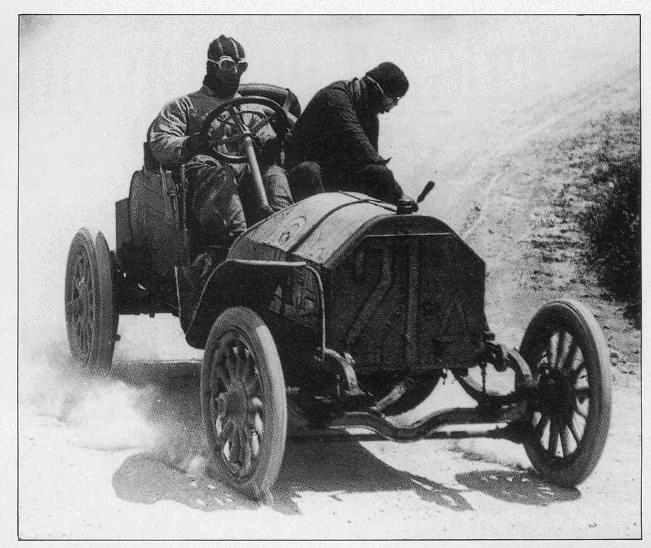
Routed through the Madonie mountain range, the original 1906 course stretched for hundreds of kilometres across narrow, twisty and often dusty roads. Over decades organisers adapted the layout: long single‑lap formats were later replaced by repeated laps of shorter circuits known by names such as the "Piccolo" and the "Medio" Madonie loops. The terrain combined steep climbs, blind crests, hairpin bends and variable surfaces, demanding precise car setup and intimate local knowledge.
History and evolution
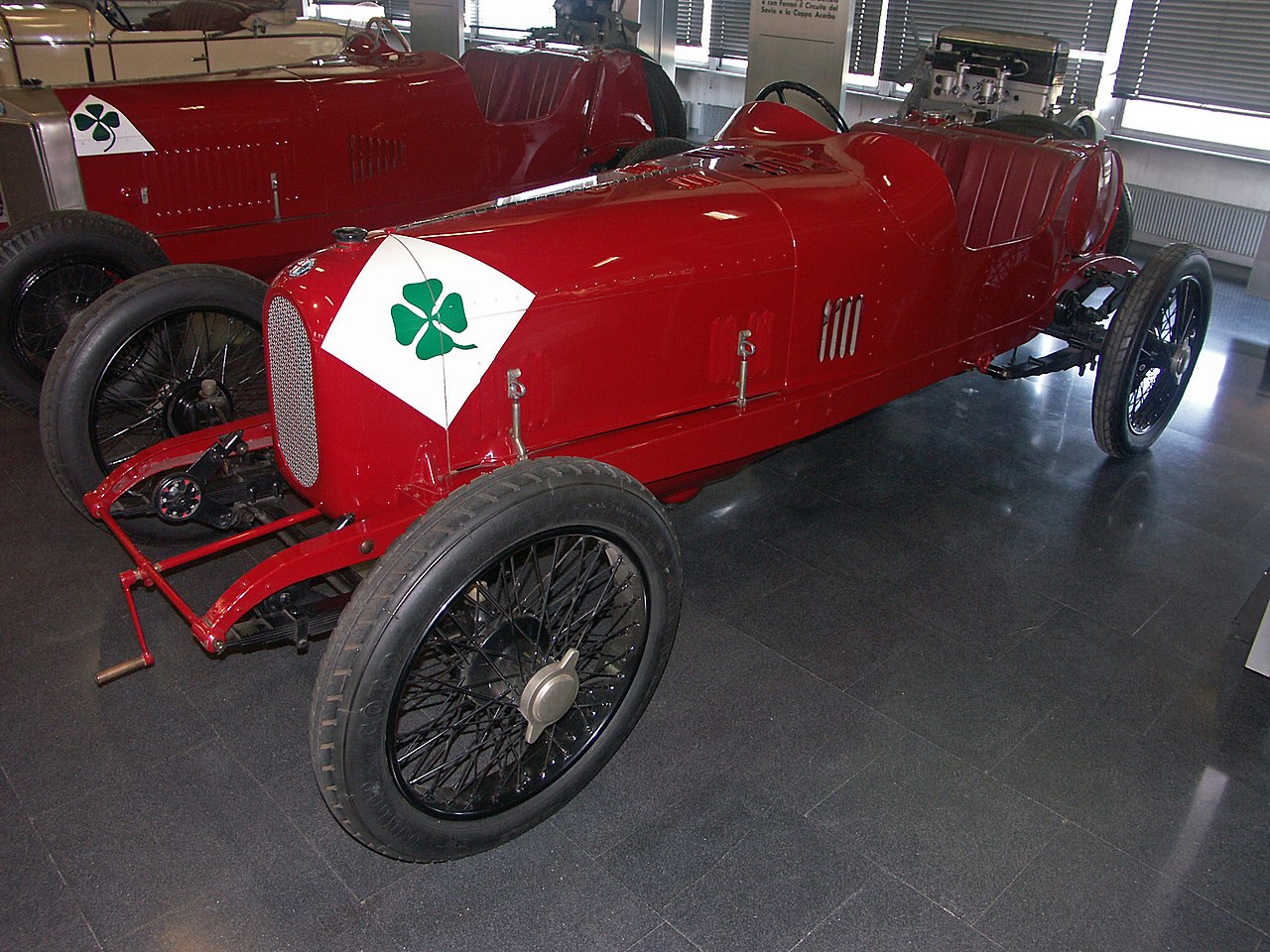
Initially a demonstration of reliability and speed, the Targa Florio grew in prominence as motor manufacturers and private entrants regarded it as a laboratory for design and endurance. It attracted both factory teams and privateers and at various times featured sports‑car classes that overlapped with international championship calendars. The event evolved through the prewar, interwar and postwar periods, mirroring technological change in engines, brakes and tyres, yet its basic character as a challenging public‑road contest remained constant.
Safety, decline and discontinuation
Because it took place on open roads with limited barriers and spectator control, the Targa Florio became increasingly difficult to reconcile with twentieth‑century safety expectations. After a fatal accident in 1977 that cost two lives, authorities and sanctioning bodies curtailed or withdrew approval for the traditional open‑road format, and the classic race as it had been known was discontinued. Rising speeds and regulatory changes elsewhere played a role in that decision.
Legacy and modern forms
Although the original mass‑start road race ended, the Targa Florio left a durable legacy. It helped spur automotive development, showcased the talents of drivers and teams, and lent its name to road‑car models (notably the "Targa" roof style). The event survives today in adapted forms: rallying events, historic and classic car runs, and tourist attractions preserve the memory of the Madonie challenges while operating under modern safety rules.
Notable facts
- The name "Targa" has entered automotive vocabulary beyond the race itself.
- The Madonie circuits — long, medium and short variants — were selected to balance spectacle, logistics and local geography.
- Because it took place on public roads, the race remains an important example in discussions about motorsport safety and regulation.
Related articles
Author
AlegsaOnline.com Targa Florio: Sicily's historic mountain road race Leandro Alegsa
URL: https://en.alegsaonline.com/art/96383