
Palermo: capital city of Sicily
Palermo is Sicily's capital and largest city, a historic Mediterranean port known for its Arab‑Norman monuments, lively street markets, distinctive cuisine and centuries of cultural layers.
Overview
Palermo is an Italian city on the island of Sicily. It functions as the region's administrative and cultural centre and sits on a broad gulf of the Tyrrhenian Sea. The urban area has on the order of several hundred thousand residents, with a wider metropolitan population that exceeds one million. Palermo combines an active port, busy markets and modern services with a long history visible in its streets and monuments.
Image gallery
10 Images





Geography and climate
Located on Sicily's northern coast, Palermo spreads across a coastal plain backed by hills where Monte Pellegrino rises nearby. The city experiences a hot‑summer Mediterranean climate characterized by hot, dry summers and mild, wetter winters. Sunshine and a maritime setting shape local life, agriculture and tourism patterns throughout the year. For climate details see regional summaries.
History and development
Palermo was founded in antiquity as a trading settlement by sailors from the Phoenician world; links to early settlers are often cited in accounts of its foundation (Phoenicia). It later became part of the Greco‑Roman world and subsequently the Roman administrative system. During the Middle Ages the city experienced extended periods under Byzantine, Islamic and then Norman rule, producing a rich fusion of architectural and cultural traditions. In later centuries Palermo was integrated into the Kingdom of Sicily and, after dynastic changes on the peninsula, into the Kingdom of the Two Sicilies. Following Italian unification the city modernized rapidly but also endured wartime damage and postwar reconstruction.
Architecture, culture and landmarks
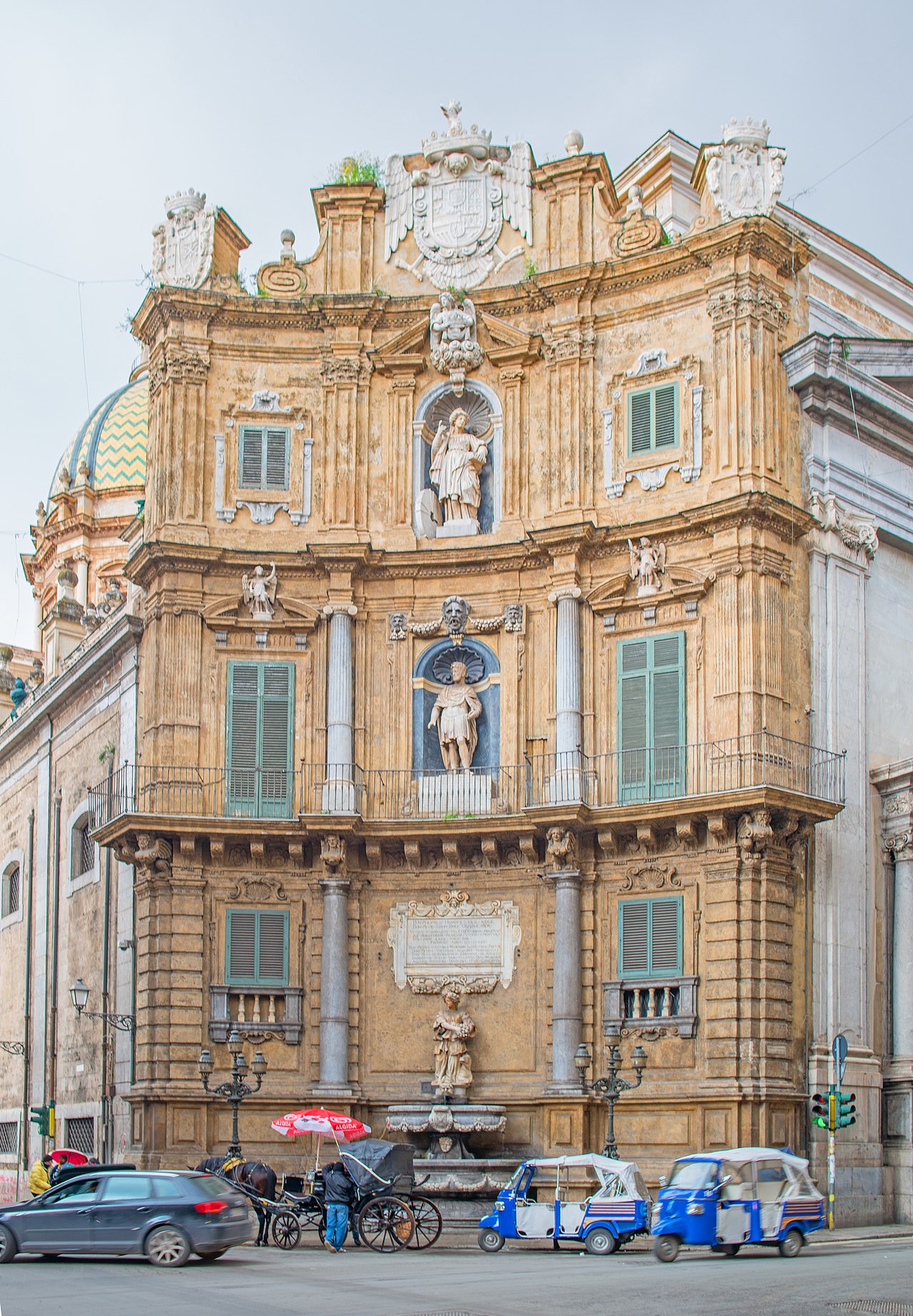
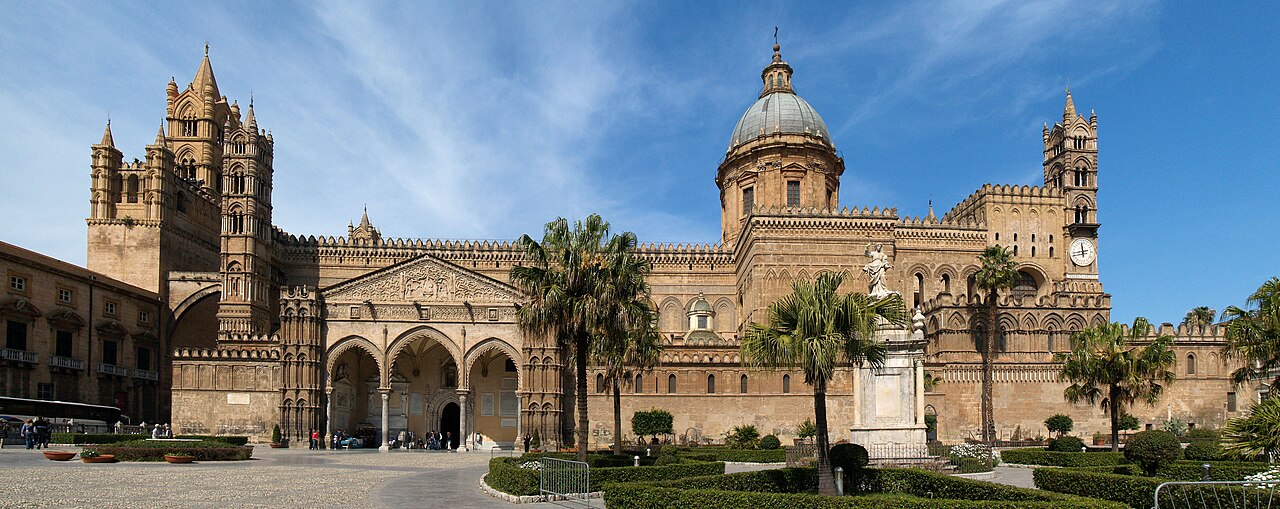
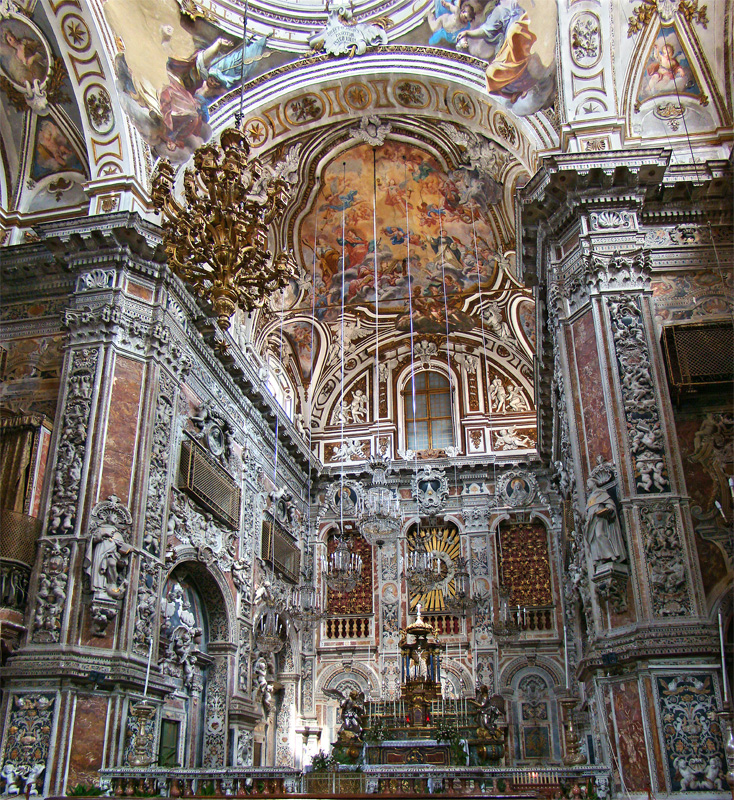
Palermo's historic fabric displays Arab‑Norman palaces and churches, Baroque piazzas and grand theatres. Notable sites include the Palermo Cathedral, the Royal Palace with the Cappella Palatina, Piazza Pretoria, Teatro Massimo and the historic open‑air markets such as Ballarò and Vucciria. The city's Arab‑Norman ensemble is recognized for its unique blend of Byzantine, Islamic and Western art and is inscribed on the UNESCO list.
Economy, food and contemporary life
The economy relies on maritime trade, public administration, tourism and services. Palermo is famous for its street food—arancini, panelle and cannoli among others—and for bustling marketplaces that remain social hubs. The city also serves as a cultural gateway to Sicily, hosting festivals, museums and universities while facing the complex social and economic challenges common to many southern European urban centres.
Significance and distinctions
- Largest urban centre on Sicily and a principal Mediterranean port.
- Architectural legacy that combines Arab, Norman, Byzantine and Baroque influences.
- Vibrant culinary and market traditions that attract both visitors and scholars of Mediterranean culture.
Questions and answers
Q: What is Palermo?
A: Palermo is an Italian city.
Q: Where is Palermo located?
A: Palermo is the capital and largest city of Sicily.
Q: How many people live in Palermo?
A: Palermo has a population of 720,000, with more than 1,000,000 people in the metropolitan area.
Q: What is the climate like in Palermo?
A: Palermo has a hot-summer Mediterranean climate.
Q: What is the history of Palermo?
A: Palermo started as a colony of Phoenicia, before becoming Roman, Islamic, and Norman. It was also part of the Kingdom of the Two Sicilies before Italian unification.
Q: When did Palermo experience heavy bombing?
A: Palermo was heavily bombed in 1942 and 1943.
Q: How did Palermo grow after Italian unification?
A: Palermo grew rapidly after Italian unification.
Related articles
Author
AlegsaOnline.com Palermo: capital city of Sicily Leandro Alegsa
URL: https://en.alegsaonline.com/art/74169