
Tap (valve) — overview, types, history and uses
A tap (faucet or spigot) is a valve that controls flow of liquids or gases. This article covers its design, common types, history, domestic and industrial uses, maintenance and safety issues.
Overview
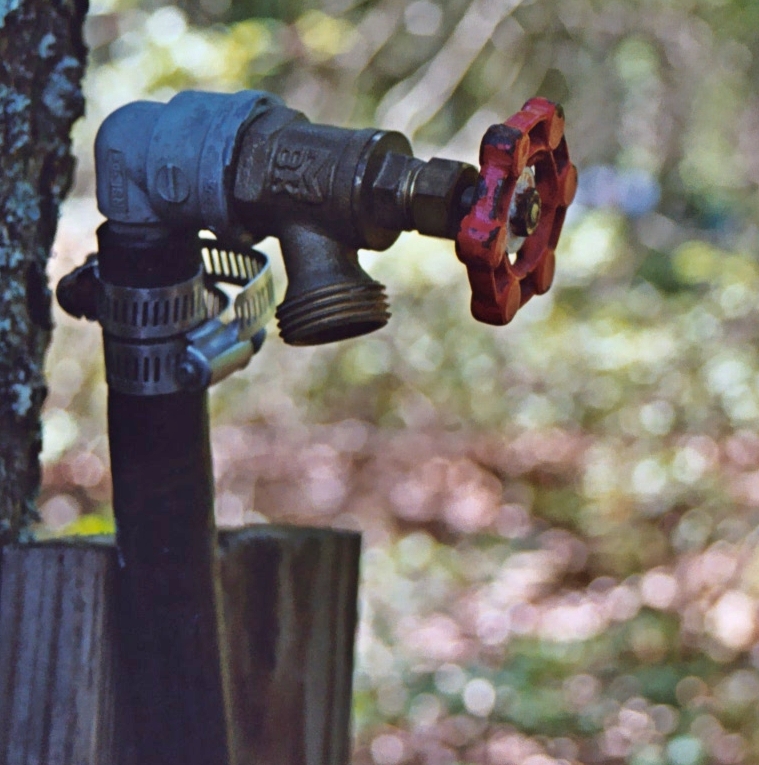
A tap, also called a faucet or spigot, is a manually or mechanically operated valve that controls the release of a liquid or a gas. In everyday language the word most often refers to fixtures that supply potable water in homes and public buildings, but taps are used in many industrial and laboratory settings as well. A tap allows a user to start, stop and regulate flow and, in many designs, to mix hot and cold supply streams.
Image gallery
9 Images


Design and main components
Typical taps share a few common elements: a body that connects to the supply, an internal mechanism that opens or restricts the passage, a spout for discharge and a handle or lever for user control. Additional parts can include seals, cartridges, aerators and mixing valves. Materials commonly used for manufacture are brass, stainless steel, plastics and, in some cases, ceramic internal parts to reduce wear.
Common types and how they operate
Tap designs differ by the mechanism used to stop and allow flow. Major types include:
- Compression taps: use a screw mechanism that presses a washer against a seat to stop flow.
- Ball valves and single-lever mixers: use a rotating ball with holes to regulate flow and temperature with a single control.
- Cartridge and ceramic-disc taps: employ replaceable cartridges or hardened ceramic discs that slide or rotate to open passages and provide long service life.
- Gate and globe valves: more common in plumbing distribution and industrial piping than in sink fixtures.
History and development
Simple stopcocks and primitive spouts date back to ancient civilizations where pottery and metalwork were used to control liquids. Over centuries the basic idea evolved: Romans developed rudimentary valves for aqueduct systems; later, metallurgical advances and the expansion of indoor plumbing in the 19th and early 20th centuries led to the household tap as it is commonly known. The 20th century introduced standardized threads, improved seal materials and cartridge technologies that increased reliability and reduced leaks.
Uses, importance and safety considerations
Taps are central to sanitation, food preparation and many industrial processes. In domestic contexts they deliver drinking water, bathing and cooking supplies; in industry they control chemicals, compressed gases and process fluids. Safety and quality concerns include lead or other contaminants in materials, backflow prevention, correct installation to prevent leaks, and the use of filters or temperature controls to prevent scalding. Many jurisdictions regulate materials and fittings to protect public health.
Maintenance and notable facts
Routine maintenance typically involves replacing washers, cartridges or seals to stop drips and maintain proper flow. Aerators on spouts can be cleaned to restore water pressure and efficiency. Conserving water often involves installing low-flow taps or sensor-operated models. Modern designs also emphasize user ergonomics, ease of repair and reduced environmental impact through durable materials and water-saving technology.
Related articles
Author
AlegsaOnline.com Tap (valve) — overview, types, history and uses Leandro Alegsa
URL: https://en.alegsaonline.com/art/96337