
Taser (conducted energy device)
A conducted energy device commonly called a Taser delivers electric pulses to temporarily incapacitate a person. Overview, components, history, uses, safety considerations, and distinctions from other weapons.
Overview
A Taser is a type of conducted energy device designed to temporarily incapacitate a person by delivering short bursts of electrical energy. The word "Taser" is a brand name that has come to be used generically for devices that produce an electric shock to disrupt voluntary muscle control. These devices are intended primarily as less-lethal alternatives to firearms, used to gain control of a subject while reducing the risk of fatal injury.
Image gallery
4 Images

Components and how it works
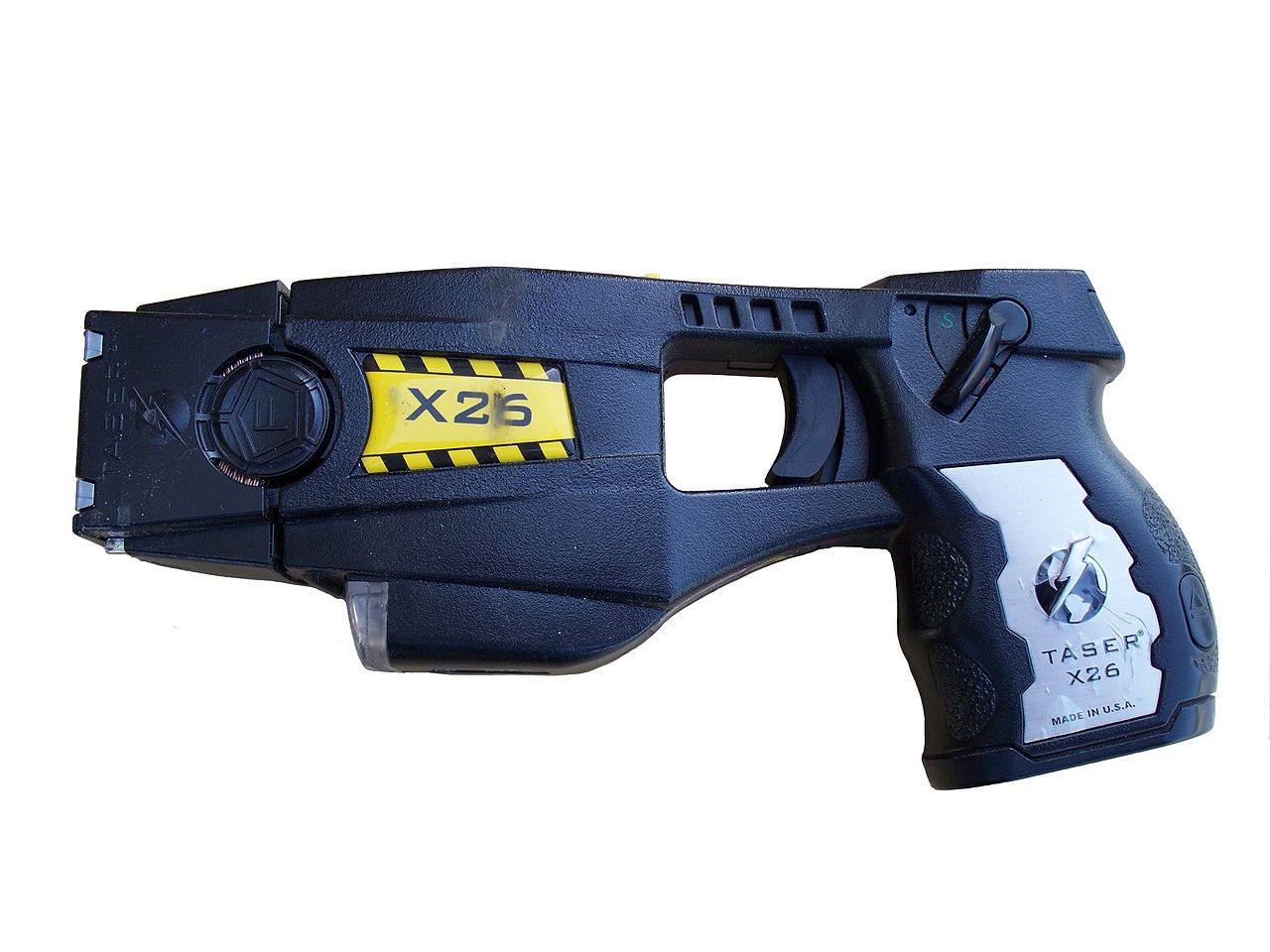
Most modern devices fire small projectiles (probes) connected to the unit by conductive wires; when the probes make contact they complete an electrical circuit and deliver pulses intended to override voluntary muscle control. Simpler variants operate as contact stun devices without probes. Typical components include:
- Cartridge or probe assembly containing electrodes.
- Power source and pulse generator inside the main housing.
- Safety and firing controls, and often data-recording features.
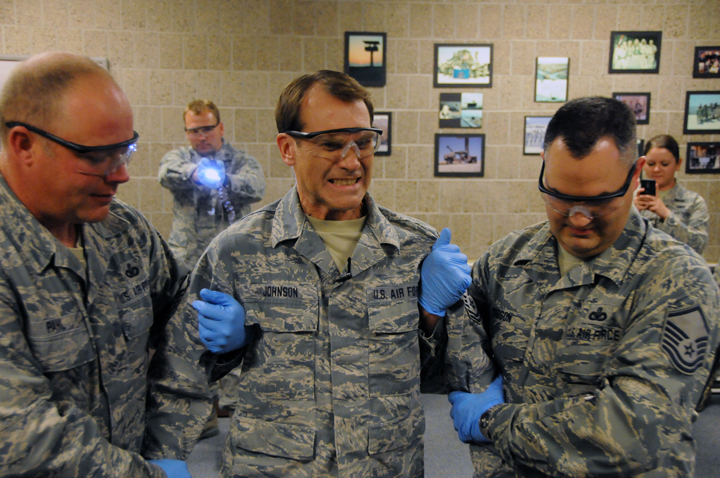
The electrical output is a sequence of high-voltage, low-current pulses. The effect on a person is usually temporary loss of the ability to control limbs, causing collapse or reduced resistance; sensations are commonly described as pain and muscle incapacitation.
History and development
Conducted energy devices emerged in the late 20th century. Early research aimed to create a non-lethal weapon for law enforcement and self-defense. Over time, commercial manufacturers introduced models tailored for police use and shorter-range civilian models. The brand name has become widely recognized, but many companies produce similar devices with different specifications.
Uses and policies
Law enforcement agencies use Tasers to subdue potentially dangerous or fleeing individuals when other, less forceful options are ineffective. Civilian versions are sold for personal protection in many jurisdictions. Policies vary widely: agencies typically require training, documentation of each deployment, and medical evaluation after use. Local law, departmental policy, and oversight bodies influence when and how these devices are authorized.
Safety, risks, and controversies
Tasers are not designed to be lethal, but their use has been associated in rare cases with serious injury or death. Several factors affect risk, including pre-existing medical conditions, drug intoxication, restraint methods, and multiple applications. Medical examiners and oversight organizations have studied incidents where conducted energy devices were used; causation can be complex and contested. Critics point to cases of misuse and call for stricter controls, while proponents cite their role in reducing firearm use.
Distinctions and notable facts
- Brand versus generic: "Taser" is a trademark often used generically for conducted energy devices.
- Probe devices differ from contact stun devices in range and physiological effect.
- Alternatives and complements include pepper spray, batons, de-escalation tactics, and, when necessary, firearms.
For manufacturers' specifications and official guidance, see manufacturer information. For technical and electrical details consult technical summaries at technical sources. Medical research and safety reviews are available from health and forensic organizations: medical studies. Law enforcement policies and oversight resources can be found at policy and oversight.
Questions and answers
Q: What is a Taser?
A: A Taser is a weapon that uses electricity to shock people so they fall on the ground.
Q: Is a Taser meant to kill people?
A: No, a Taser is not meant to kill people.
Q: How does a person feel when shot by a Taser?
A: A person feels like they are hurt and cannot move their arms and legs when shot by a Taser.
Q: Who uses Tasers?
A: Police officers use Tasers.
Q: Why do police officers use Tasers?
A: Police officers use Tasers to stop people who want to hurt them and to stop people who are running away.
Q: Is it safe to be shot with a Taser?
A: While Tasers are generally safe and not meant to kill, they can still cause injury if not used correctly.
Q: Are there any risks associated with using Tasers?
A: Yes, there are risks associated with using Tasers, such as causing falls or exacerbating existing medical conditions.
Related articles
Author
AlegsaOnline.com Taser (conducted energy device) Leandro Alegsa
URL: https://en.alegsaonline.com/art/96465