
Tanzanite: a blue‑purple zoisite from Tanzania
Tanzanite is the trade name for a blue–violet variety of the mineral zoisite found only in northern Tanzania. Valued for its color and rarity, it is commonly heat‑treated and used in jewelry.
Tanzanite is the trade name for a blue to violet gemstone that is a variety of the mineral zoisite. It is known for its vivid, often trichroic colors and for being found in a very small geographic area in northern Tanzania. The gem is prized for jewelry and as a collector’s stone because of its striking hues and limited supply.
Image gallery
6 Images


Properties and appearance
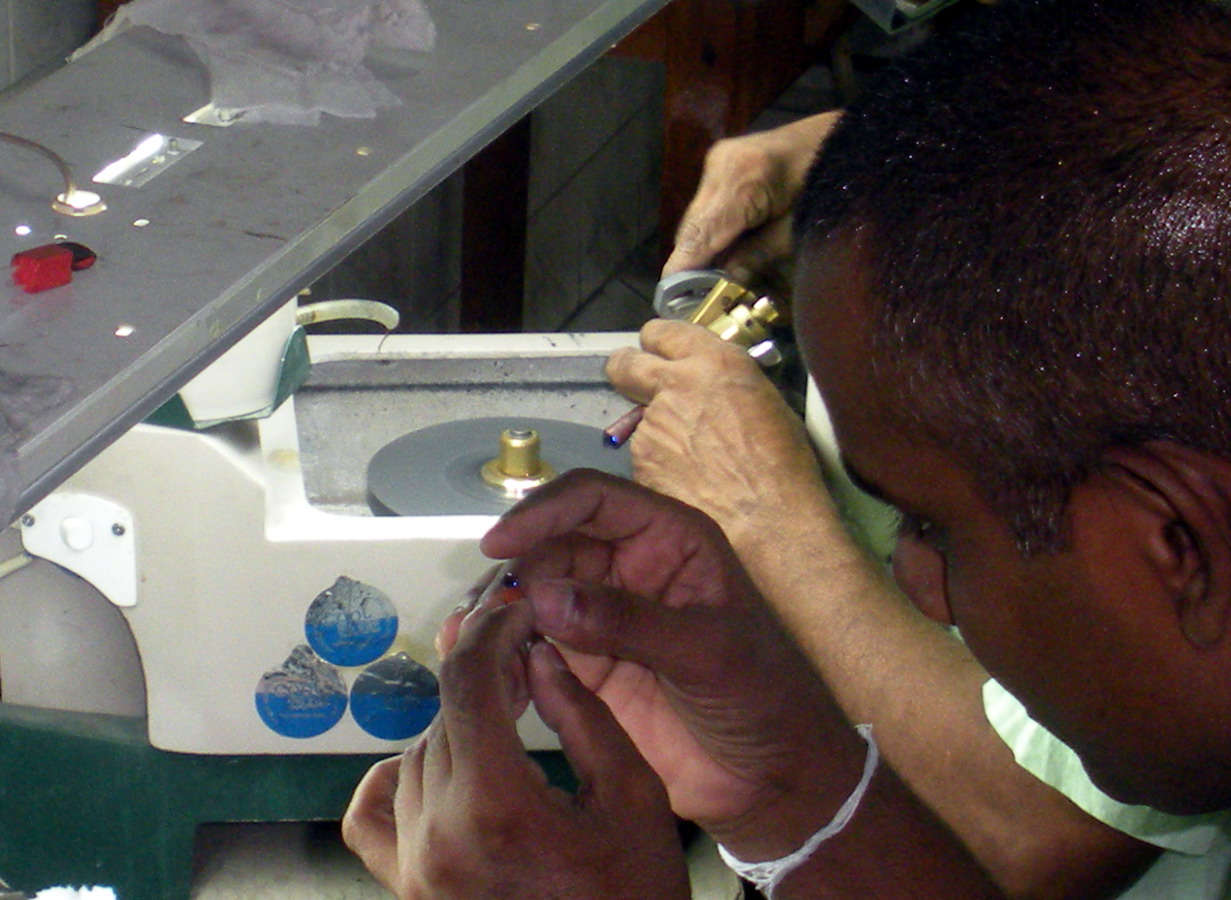
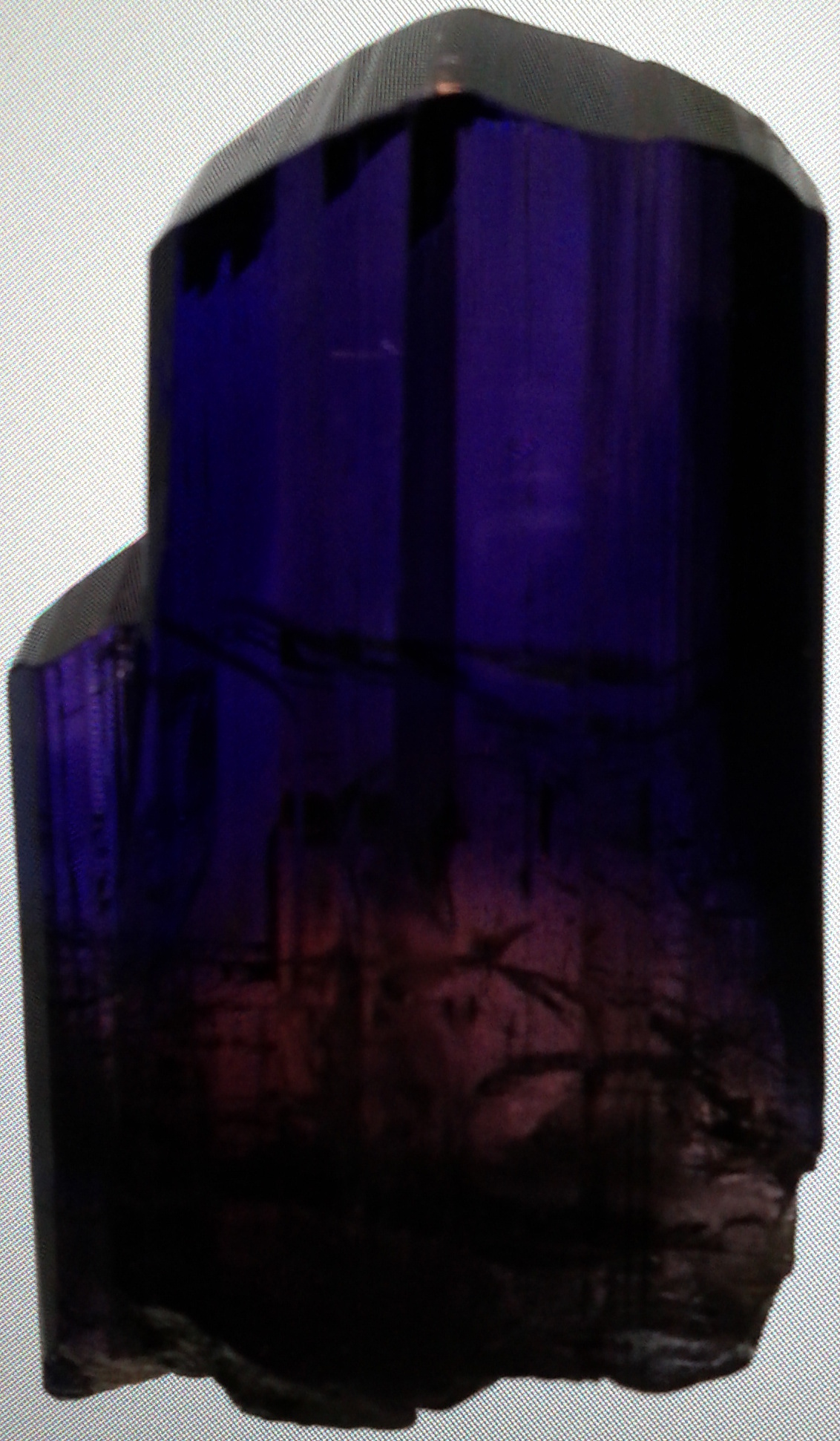
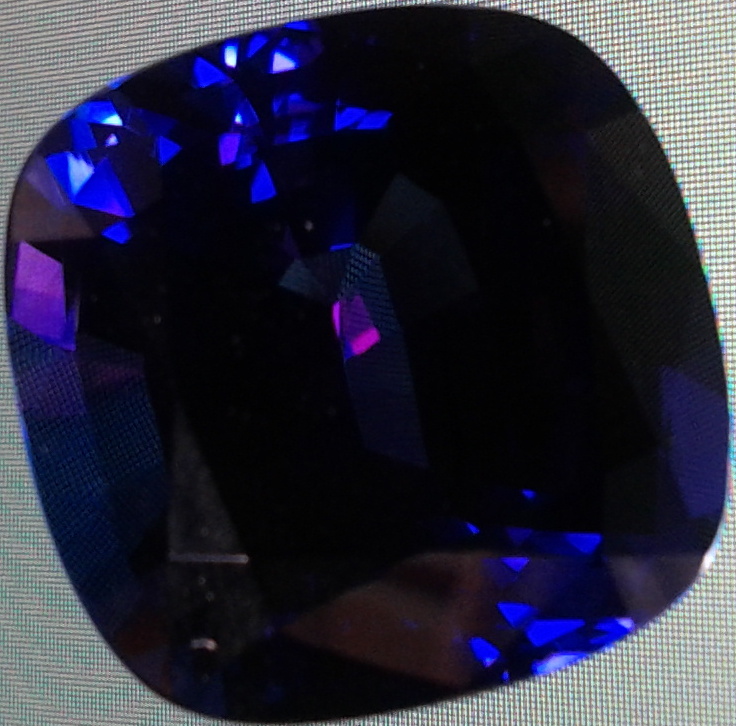
Tanzanite displays a range of colors from deep blue and violet to more purplish or brownish tones. Many specimens show strong pleochroism (different colors when viewed from different angles), which cutters take into account when orienting a stone. Typical physical properties include a medium Mohs hardness, making it durable enough for many types of jewelry though softer than corundum (sapphire and ruby). Surface luster is vitreous and the stones can exhibit very good clarity.
Key characteristics:
- Color range: blue, violet, purplish-blue and sometimes brownish before treatment
- Pleochroism: shows different colors along different crystal axes
- Commonly heat-treated to enhance blue and purple tones
Formation, occurrence and mining
Tanzanite is formed in metamorphic rocks where original minerals have been altered by heat and pressure. Commercial production comes almost exclusively from the Mererani Hills near Arusha and Mount Kilimanjaro in northern Tanzania, a very limited mining district. Because of this restricted distribution, the supply is considered finite compared with many other gemstones.
History and trade
The gem entered the global market in the mid‑20th century and was given the name "tanzanite" for commercial sale. A prominent jeweler helped popularize the name and the stone’s use in modern jewelry. Most rough material that appears brownish or reddish at the time of mining is heat-treated in controlled conditions to develop the blue–violet colors that consumers expect.
Uses, value and considerations
Tanzanite is primarily used as a colored gemstone in rings, pendants and earrings. Its market value depends on color saturation (deep, pure blues and purples are most valued), clarity, cut and carat weight. Buyers should be informed about heat treatment, which is a widely accepted and stable enhancement. Because the resource is limited geographically, tanzanite often attracts interest from collectors and investors, and mining and export practices can have notable socioeconomic impacts on local communities.
Related articles
Author
AlegsaOnline.com Tanzanite: a blue‑purple zoisite from Tanzania Leandro Alegsa
URL: https://en.alegsaonline.com/art/96326