
Tangerine Dream — German electronic music pioneers
Tangerine Dream is a German electronic music group founded in 1967, influential in the Berlin School style, noted for long-form synth compositions, an extensive discography and numerous film soundtracks.
Overview
Tangerine Dream is a long-running German ensemble that helped shape modern electronic music. Founded in 1967, the group became known for long-form, largely instrumental pieces built from synthesizers, sequencers and studio processing. Their approach bridged experimental rock, ambient textures and early electronic dance elements.
Image gallery
4 Images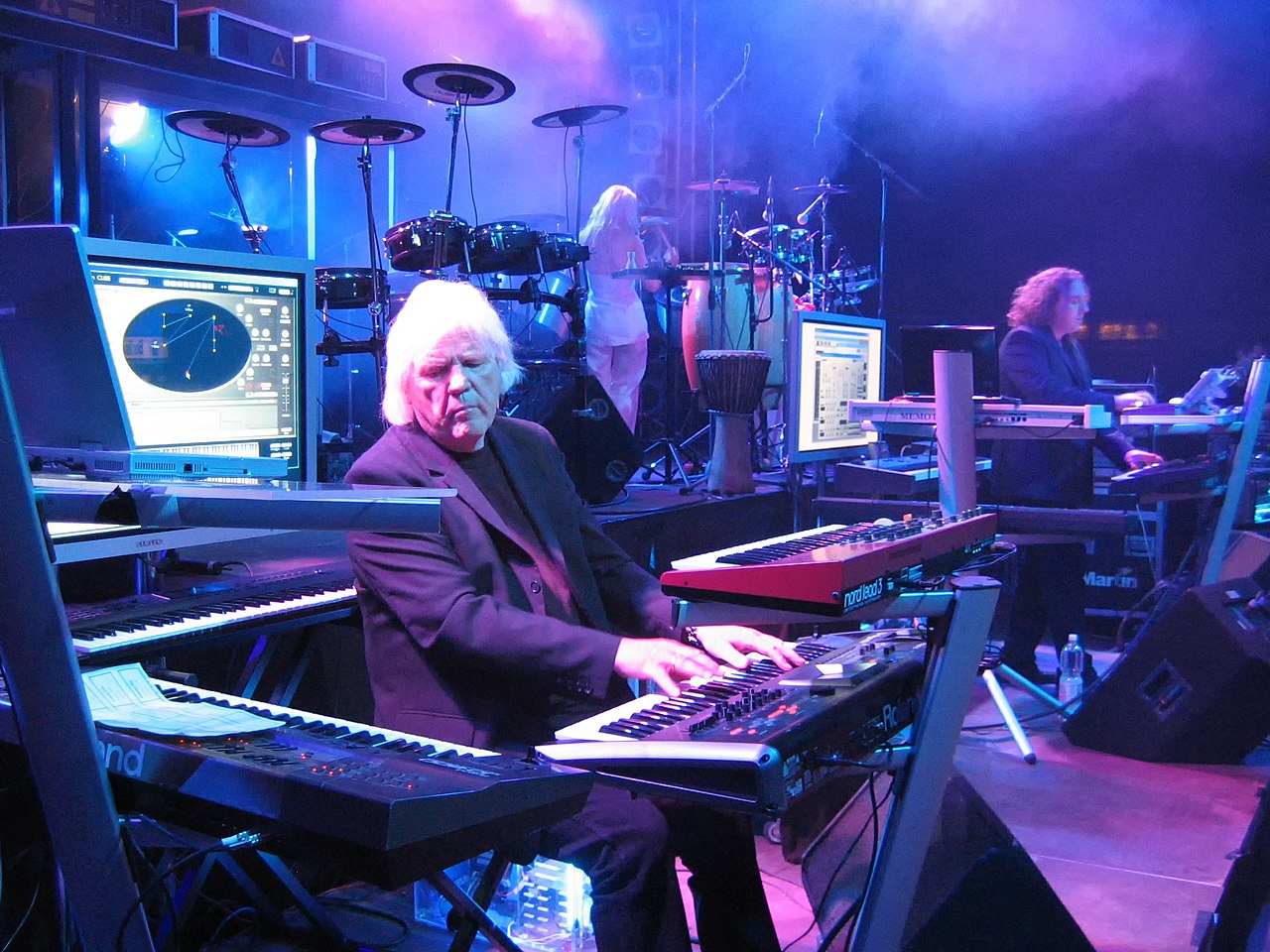


Musical characteristics
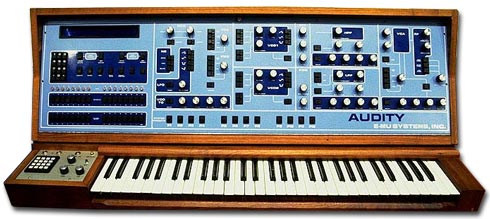
The band's sound is frequently associated with the so-called Berlin School: repeating sequencer patterns, slowly evolving timbres and immersive sonic layers. Early recordings mixed analog synthesizers, Mellotron-like keyboards and electronic effects with occasional rock instrumentation. Listeners and critics have variously described the result as ambient, symphonic electronic, or — by some commentators — New Age; the group themselves have resisted narrow labels.
History and key personnel
Founded by Edgar Froese, Tangerine Dream went through many lineup changes over decades. Notable members across the 1970s and 1980s included musicians who helped refine the group's sequencer-driven style. After Froese's death the project continued with new collaborators, maintaining the band's identity as a continuing musical enterprise rather than a fixed lineup.
Notable releases and film work
- Studio milestones: influential mid-1970s albums helped define their profile with extended instrumental suites and studio experimentation.
- Soundtracks: the group composed numerous film and television scores, bringing their electronic palette into cinematic contexts and wider audiences.
- Live performances: concerts often combined improvisation with visual elements and an emphasis on evolving textures rather than traditional song forms.
Legacy and influence
Tangerine Dream's work influenced later ambient, synthpop, techno and film-composition practices. Their sequencer techniques and patient, layered arrangements are frequently cited by electronic musicians and producers. The ensemble's prolific output—dozens of studio and live albums and many soundtrack credits—helped bring electronic timbres into mainstream and niche listening environments alike.
Context and further reading
For an introduction to the group's role in German experimental music and the broader electronic tradition see resources on the German band movement and histories of electronic music. The formation year is often given as a starting point for studies of post‑war European experimentation (1967). Readers interested in the genre labels and critical debates can consult overviews of the electronic music movement, discussions of the New Age classification and analyses of the group's symphonic textures and occasional rock influences.
Related articles
Author
AlegsaOnline.com Tangerine Dream — German electronic music pioneers Leandro Alegsa
URL: https://en.alegsaonline.com/art/96269