
Teardrop (song)
A 1998 trip-hop single by Massive Attack featuring Elizabeth Fraser, known for its ethereal vocals, hypnotic production and as the theme for the TV series House MD.
Overview
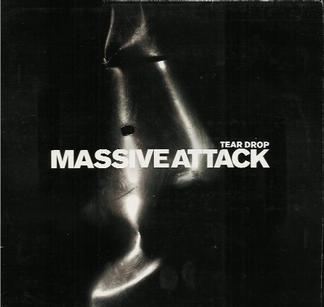
"Teardrop" is a song by the British trip-hop collective Massive Attack, released in 1998 as a single from their third album, Mezzanine. Featuring the distinctive, ethereal lead vocal of Elizabeth Fraser (of Cocteau Twins), the track combines moody atmospherics with a steady, hypnotic rhythm. Outside the album context it became widely familiar to mainstream audiences after being used as the theme music for the television drama House MD.
Image gallery
3 Images

Composition and themes
The song is characterised by layered textures, a prominent, looping melodic figure and restrained percussion that underscore Fraser's voice. Its mood is often described as melancholic and introspective; lyrics and delivery suggest themes of vulnerability, love and mortality. Production emphasizes spaciousness: instruments and effects are arranged to create depth and an intimate, almost trance-like atmosphere rather than conventional pop brightness.
Release, video and reception
Issued as a single in 1998, "Teardrop" received critical praise for blending pop sensibility with trip-hop's experimental palette. The music video, noted for its striking imagery of a developing fetus rendered in animation, attracted attention and complemented the song's haunting tone. While not limited to chart statistics here, the track is regularly cited as one of Massive Attack's best-known songs and a highlight of Mezzanine.
Legacy and cultural impact
Beyond its initial release, "Teardrop" has had extended cultural reach: it has been covered and remixed by a range of artists, sampled in other works, and introduced to new listeners through television placement. Its use as a series theme helped cement the song's recognition across audiences who might not otherwise follow trip-hop. Musically, it stands as an example of how atmospheric production and a singular vocal performance can create a lasting popular and critical impression.
Notable facts
- Lead vocals were performed by Elizabeth Fraser, whose timbre and delivery contributed significantly to the song's identity.
- The minimalist arrangement and layered soundscapes are typical of the trip-hop genre's late-1990s evolution.
- The song continues to appear in playlists, compilations and media placements, extending its visibility beyond its original era.
Related articles
Author
AlegsaOnline.com Teardrop (song) Leandro Alegsa
URL: https://en.alegsaonline.com/art/96658