
Tane Province (Tane-no kuni) — historic Japanese island province
Tane Province (Tane-no kuni) was a short-lived island province of Japan (674–824), located in the area of modern Kagoshima Prefecture on Kyūshū and incorporating islands to the south of Ōsumi.
Overview
Tane Province (多禰国, Tane-no kuni) was an early Japanese provincial unit established in the late 7th century and abolished in the early 9th century. It is described in surviving records as an island province situated to the south of the main island of Kyūshū. Its nominal existence is dated from 674 until 824, a span that places it in the Asuka and early Heian periods of Japanese history.
Image gallery
3 Images

Geography and administration
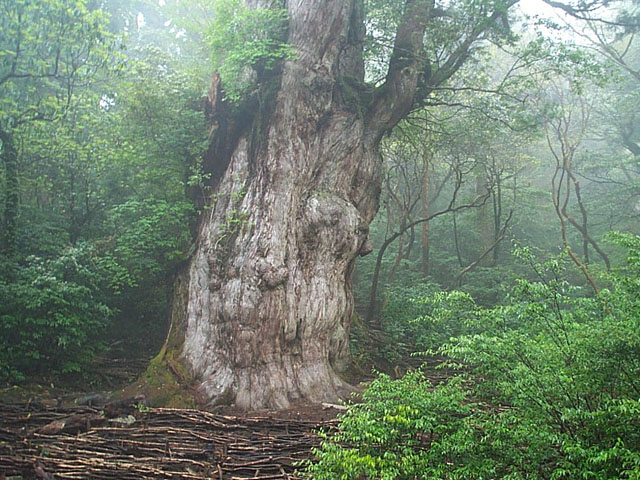
The province comprised offshore islands that today lie within Kagoshima Prefecture. Historical references associate Tane with the Tanegashima–Yakushima area and other islands off the Ōsumi Peninsula, though surviving sources are limited. As an island province it was geographically separate from mainland districts and would have been administered as a distinct territorial unit under the central ritsuryō system of the time.
History and development
Tane was created during a period when the central government was reorganizing outlying territories to extend imperial control over maritime zones. The recorded establishment year is 674. After roughly a century and a half of separate status, the province ceased to exist in 824 when its territory was reassigned and reabsorbed into neighboring provincial administration. This short lifetime reflects the fluid nature of provincial boundaries during early state formation in Japan.
Role and significance
Although small and remote, island provinces like Tane played roles in maritime travel, local fisheries, and contact with neighboring islands. Their administration offered the central government a way to regulate sea lanes and collect local tribute or taxes. Archaeological finds and place names preserve evidence of early settlement and maritime activity, which scholars use to reconstruct the island society of the period.
Legacy and notable facts
- Tane Province existed from 674 to 824 and was an island-based administrative unit.
- Its territory lies within modern Kagoshima Prefecture and is associated with the Tanegashima island group.
- Its short, specialized existence illustrates the changing provincial organization of early Japan.
- Primary references and place-name evidence are sparse; modern study relies on archaeological and documentary fragments.
For concise reference entries and further reading see nominal records under the name Tane Province and regional histories of southern Kyūshū and the Ōsumi islands.
Related articles
Author
AlegsaOnline.com Tane Province (Tane-no kuni) — historic Japanese island province Leandro Alegsa
URL: https://en.alegsaonline.com/art/96256
Sources
- books.google.com : "Kagoshima"
- books.google.com : Multicultural Japan: Palaeolithic to Postmodern, p. 107
- books.google.com : "Tanegashima"
- books.google.com : Ryūkyū Studies to 1854: Western Encounter, Vol. 1, p. 272
- web.me.com : NengoCalc