
T cell (T lymphocyte): development, types, functions, and clinical importance
T cells are thymus-derived lymphocytes central to cell-mediated immunity. This article describes their development, main subtypes, functions, and roles in infection, cancer, vaccination, and disease.
Overview
T cells are a form of lymphocyte and a key class of white blood cell responsible for targeted immune responses. They form part of the broader immune system and specialize in recognising and responding to cells that harbour intracellular pathogens, are transformed (such as cancer cells), or display abnormal antigenic patterns. The name "T cell" reflects their maturation in the thymus, an organ that shapes their receptor repertoire.

Image gallery
4 Images


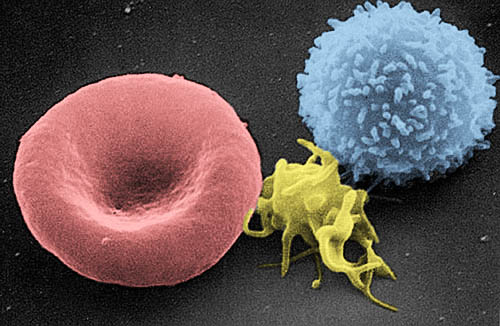
Development and activation
T cells originate from hematopoietic stem cells in the bone marrow but migrate to the thymus to undergo selection processes that remove strongly self-reactive clones and promote functional receptors. Mature naive T cells circulate through blood and lymphoid tissues until they encounter antigen. Activation requires recognition of peptide antigen presented on major histocompatibility complex (MHC) molecules together with co-stimulatory signals from antigen-presenting cells; this triggers proliferation and differentiation into effector and memory cells.
Major types
- CD4+ helper T cells: orchestrate immune responses by producing cytokines and helping B cells and other immune cells.
- CD8+ cytotoxic T cells: directly kill infected or transformed cells that present foreign peptides on MHC class I.
- Regulatory (Treg) cells: limit immune activation to maintain tolerance and prevent autoimmunity.
- Memory T cells: persist after an infection or vaccination to enable faster, stronger responses upon re-exposure.
Functions and importance
T cells mediate cell-based immunity rather than producing antibodies. They destroy infected cells, secrete signaling molecules that shape inflammation and immune development, and support antibody-generating B cells. Their ability to form memory is foundational to how vaccines protect against disease. In clinical practice, measuring T-cell function can help assess immune competence and guide therapies.
Clinical relevance and therapies
Several diseases involve T cells: human immunodeficiency virus (HIV) selectively depletes CD4+ T cells, weakening immunity; autoimmune disorders often reflect an imbalance in T-cell regulation; and cancers can evade or suppress T-cell activity. These insights underpin modern treatments such as immune checkpoint inhibitors, adoptive cell therapies including engineered chimeric antigen receptor (CAR) T cells, and strategies to enhance vaccine responses. Conversely, excessive T-cell activity may be managed with immunosuppressive drugs in transplantation and autoimmunity.
Notable distinctions and summary
While B cells and antibodies are vital for neutralizing extracellular threats, T cells excel at recognising altered self and eliminating intracellular infections or malignant cells. Their thymic education, distinct subsets, and capacity for long-lived memory make them central to adaptive immunity and the focus of many diagnostic and therapeutic advances.
Related articles
Author
AlegsaOnline.com T cell (T lymphocyte): development, types, functions, and clinical importance Leandro Alegsa
URL: https://en.alegsaonline.com/art/95751