
Symposium: Classical Greek Banquets and Their Modern Meanings
Originally an elite drinking party in classical Greece, a symposium combined food, music and debate; the term later broadened to mean a formal meeting for scholarly discussion.
A symposium (plural: symposia) originally referred to a ritualized social gathering in ancient Greece where food, wine and conversation were central. These events combined leisurely dining with musical and intellectual entertainment and were closely associated with elite male social life. The classical symposium has been preserved in literature and art as a distinctive institution that helped shape notions of sociability, hospitality and rhetorical display.
Image gallery
9 Images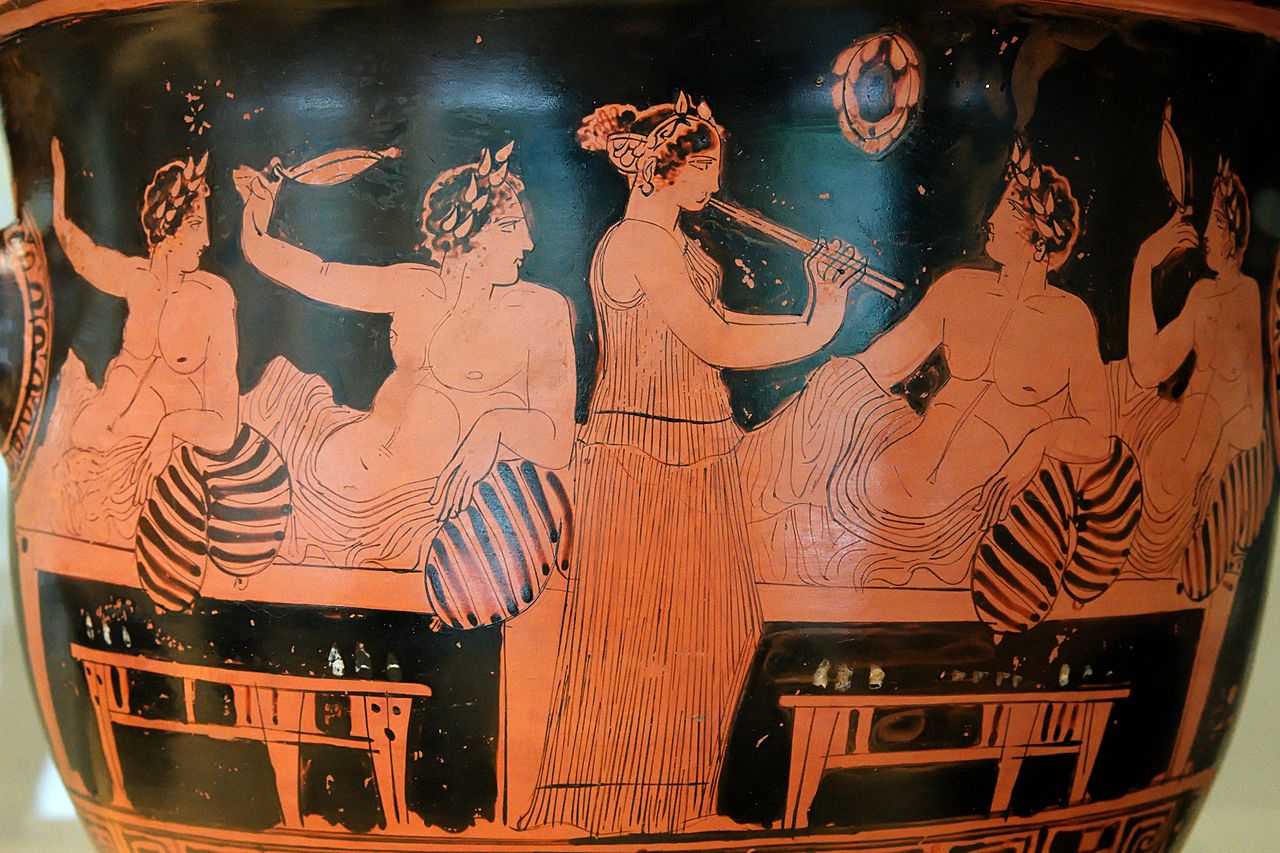




Typical features and activities
Symposia were usually held in private houses or public club rooms and featured a structured sequence of drinking, conversation and performance. Guests reclined on couches and used small tables for cups and plates. Common activities included:
- Drinking games and toasting rituals, which regulated the pace of consumption;
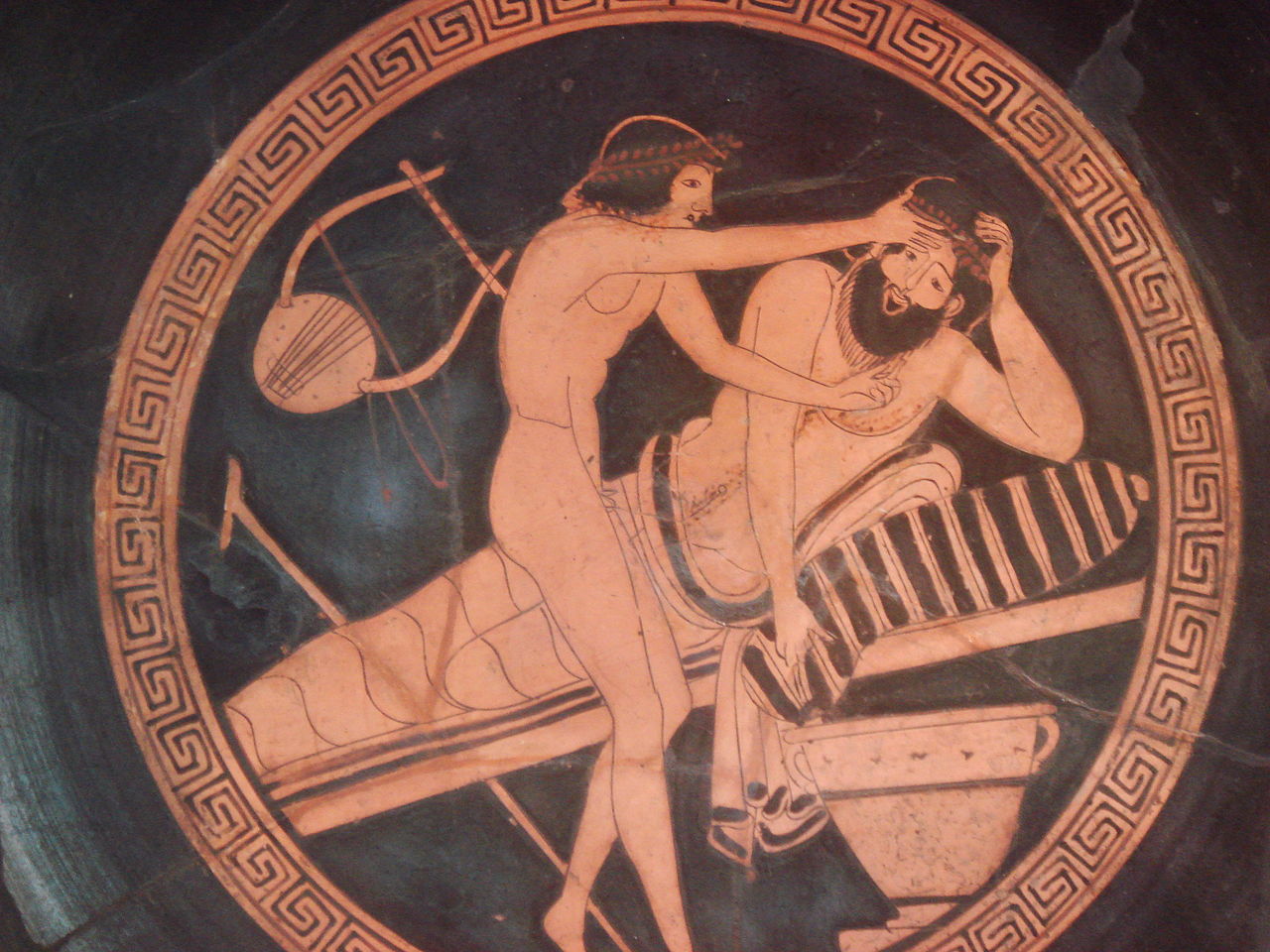
- Musical performance and dancing, often provided by attendants;
- Competitive displays such as singing contests or poetry recitation;
- Physical games and light wrestling, as well as table games like kottabos in which participants flung wine lees at targets.
These gatherings were also venues for conversation on ethics, politics, love and poetry. A famous literary example is Plato's dialogue The Symposium, which stages a series of speeches on the nature of love and includes figures such as Socrates and the often disruptive Alcibiades.
Social roles and conventions
Participation was governed by social norms. In classical Athens, male citizens of a certain class dominated the guest lists and the event could mark important occasions such as initiation into adult society, victories or cultural achievements. Entertainment and service were typically provided by youths or slaves; some accounts note that these attendants performed in a state of undress. The symposium thus reflected hierarchical relations of gender, age and status in the broader society. For more on the cultural context see Ancient Greece and discussions of aristocratic customs related to such gatherings.
Historical development and significance
Although most familiar from fifth- and fourth-century BCE sources, the symposium drew on earlier communal drinking and feasting traditions across the Mediterranean. Visual art—especially vase painting—preserves many scenes that illuminate seating arrangements, dress, musical instruments and games. The symposium served as both a private social ritual and a public stage for rhetorical skill, allowing participants to perform status through hospitality, wit and learning.
Modern usage and distinctions
In later centuries the word symposium broadened: by modern times it is commonly used to denote a formal meeting or conference devoted to discussion of a particular subject, often academic in nature. Contemporary symposia retain the idea of focused exchange, but they replace wine and couches with lectures, panels and question periods. The historical symposium and the modern conference share an emphasis on dialogue, though they differ markedly in setting, participants and social function.
Notable distinctions include the gendered and ritual character of the ancient symposium versus the more inclusive and professional organization of modern symposia. Cultural and literary depictions—whether in vase art or philosophical dialogues—continue to make the ancient symposium a rich subject for study in fields such as classics, anthropology and the history of social practices.
Related articles
Author
AlegsaOnline.com Symposium: Classical Greek Banquets and Their Modern Meanings Leandro Alegsa
URL: https://en.alegsaonline.com/art/95652