
Alcibiades: Athenian statesman, general and controversial figure of the Peloponnesian War
Alcibiades (c. 450–404 BC) was an influential and controversial Athenian statesman, orator and general whose shifting loyalties between Athens, Sparta and Persia shaped the late Peloponnesian War.
Overview
Alcibiades was a leading and polarizing figure in late fifth‑century BC Greece. Born into an aristocratic Athenian family, he became known as an ambitious statesman, forceful orator and daring general. His career coincided with the later stages of the Peloponnesian War, and his decisions and personal rivalries had outsized effects on the conduct of the conflict. Energetic, charismatic and controversial, Alcibiades moved between public prominence and exile several times and ultimately died far from the centers of his earlier power.
Image gallery
10 Images




Early life and intellectual circle
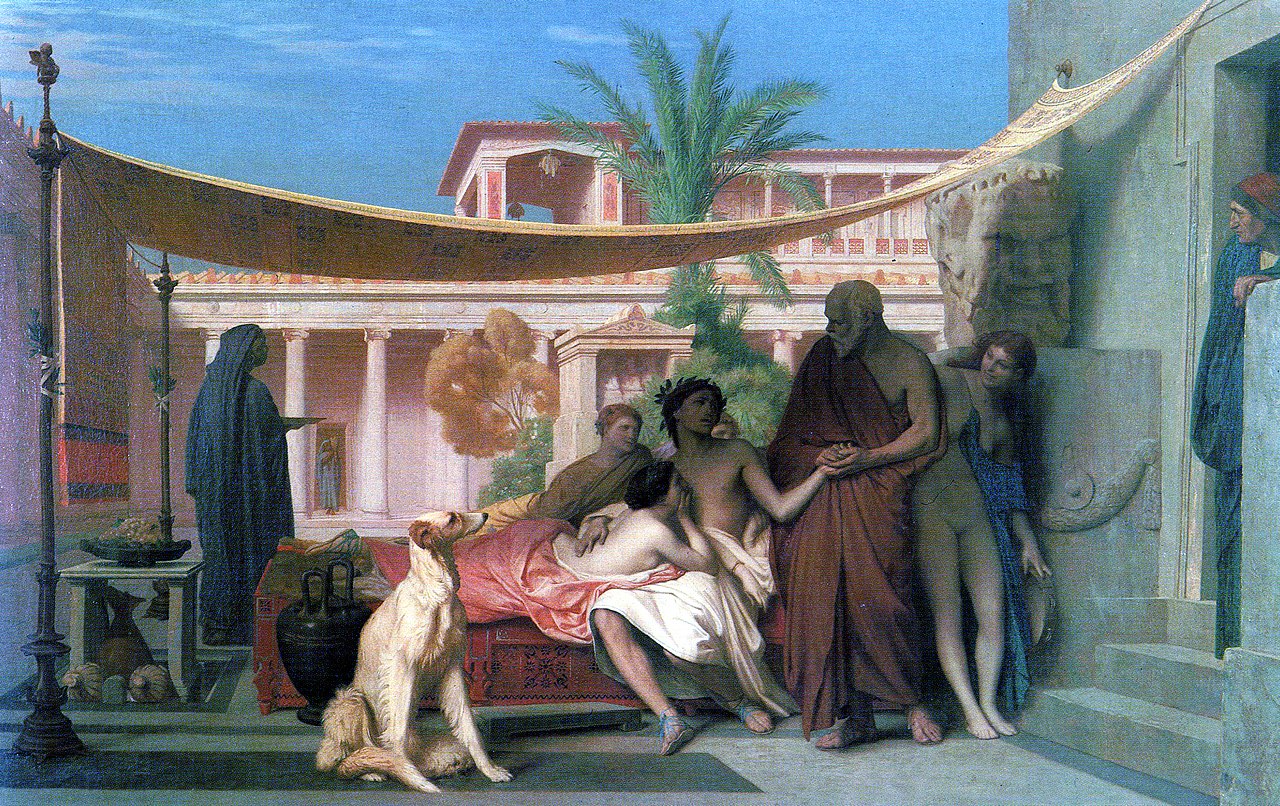
Raised among Athens' elite, Alcibiades benefited from wealth, family connections and a spectacular public presence. In youth he was associated with influential figures and intellectuals; most famously he was a pupil of Socrates, an association that later became a political liability for both men. His education and social standing helped him develop the rhetorical and political skills that he used throughout his career as a politician and military leader.
Ambition, the Sicilian expedition and flight
Alcibiades was an energetic advocate of an assertive Athenian foreign policy. He argued for an ambitious campaign — sometimes described as an invasion beyond the Greek mainland — directed toward the island and coast of Sicily. Political enemies in Athens brought him to trial on charges of sacrilege, accusing him of desecrating sacred objects; before the case could be resolved he fled to Sparta, which marked the first of several abrupt changes in allegiance. The Sicilian Expedition itself went forward under other commanders and ended in disaster for Athens after the defeat and destruction of the expeditionary force.
Service with Sparta and Persia
While in Sparta, Alcibiades put his military and political experience at Sparta's disposal, advising on campaigns and encouraging measures that weakened Athenian control of subject territories. Personal conflicts there again made him unwelcome, prompting him to seek refuge with the power to the east, Persia. In Asia Minor he became close to provincial authorities and served as an informal adviser to the Persian satrap Tissaphernes. From these positions he continued to influence Greek affairs, encouraging revolts and the occupation of strategic points such as Decelea and areas of Magna Graecia that harmed Athens' supply lines and coalition stability.
Return to Athens and later career
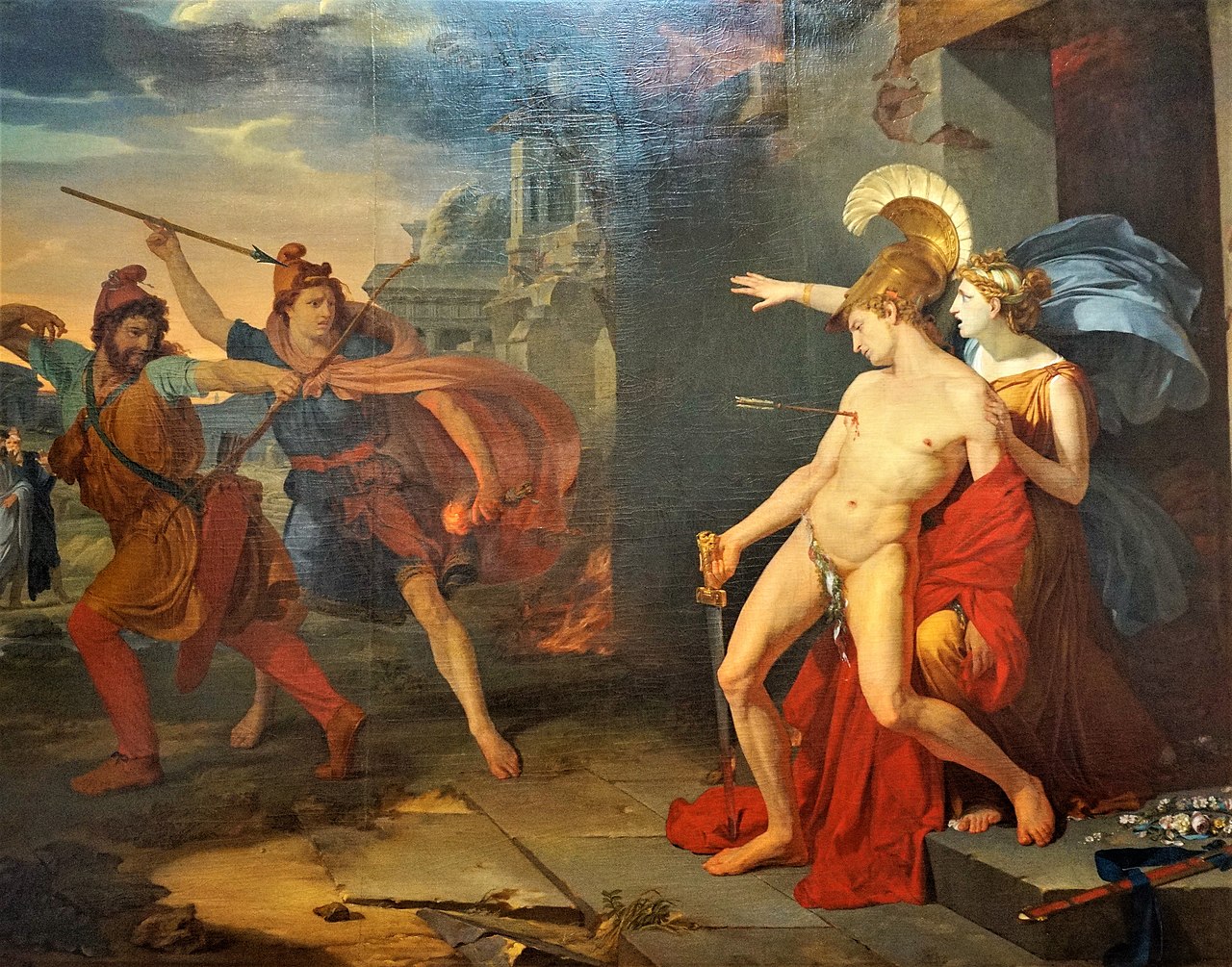
Athens' political tides eventually returned in his favor and Alcibiades was recalled. Back in Athenian command, he led a series of operations that restored confidence at home and scored important successes at sea and in diplomatic maneuvers. He favored irregular approaches to warfare, often preferring negotiation, subversion or swift naval action to prolonged siege warfare. Despite these gains, his temperament and the animosity he inspired among rivals meant his position remained precarious; renewed accusations and shifting alliances forced him out of power once more, and his final years were spent in exile until his death.
Legacy, methods and controversies
Alcibiades is remembered for brilliance tempered by vanity and instability. He combined persuasive public speech with practical knowledge of naval and expeditionary operations, and his readiness to change sides — serving Athens, then Sparta, then Persia, and again Athens — makes him a striking example of the fluid loyalties of the period. His career illustrates how individual personalities could shape the policies of a state and the course of large conflicts. Modern scholars debate whether his actions ultimately helped or harmed Athens, but few deny his significance as a catalyst of events that led to Athens' eventual decline.
Notable features and examples
- Political agility: able to gain influence quickly at home and abroad, often by personal charm and opportunism (statesman, orator).
- Military innovation: preferred naval initiatives, surprise operations and turning enemies through negotiation rather than long sieges (siege).
- International manoeuvring: alliances with rival powers, including advice to Spartan commanders and cooperation with the Persian satrap at critical moments.
- Cultural footprint: his connection to Socrates and his public life made him emblematic of Athenian elite culture and its internal conflicts.
Alcibiades' story is one of personal audacity and political consequence: a leader whose strategic gifts altered campaign outcomes and whose personal rivalries altered his country’s fate. For further reading and source material consult specialist studies of the later Peloponnesian War era and biographies that examine his alternating roles as Athenian military commander, Spartan adviser and agent of Persian interest.
Links for reference: statesman, politician, orator, general, Peloponnesian War, invasion, Sicily, Sparta, sacrilege, Persia, satrap, Magna Graecia, siege, state, Socrates.
Olympic Champion
At the 91st Olympic Games in 416 BC, Alcibiades sent no less than seven teams to compete in the chariot race, which is more than any private citizen ever sent to the Olympic Games of antiquity. The result was one victory, one second place and one fourth place. Thus he was also crowned Olympic champion, since in chariot racing the owner of the racing stable was honored, not the driver.
Questions and answers
Q: Who was Alcibiades?
A: Alcibiades was a prominent Athenian statesman, orator, and general from the late 5th century BC. He was the last famous member of his mother's aristocratic family.
Q: What role did he play in the Peloponnesian War?
A: During the course of the Peloponnesian War, Alcibiades changed sides on several occasions and served as a strategic advisor, military commander, and politician. He advocated an aggressive foreign policy and proposed or supervised several major campaigns against Athens.
Q: Where did he go after facing charges of sacrilege in Athens?
A: After facing charges of sacrilege in Athens, Alcibiades fled to Sparta where he served as a strategic adviser.
Q: What happened during the Sicilian Expedition to Magna Graecia?
A: The Sicilian Expedition to Magna Graecia was Alcibiades' idea but his enemies prevented him from commanding it. His rival Nicias took command instead and it failed disastrously.
Q: How did Alcibiades help bring about peace between Sparta and Athens?
A: Once restored to his native city, Alcibiades played a crucial role in a string of Athenian victories that eventually brought Sparta to seek a peace with Athens. He favored unconventional tactics such as treachery or negotiation rather than siege when attempting to capture cities.
Q: How did Socrates factor into this story?
A: In his youth Alcibiades had been a pupil of Socrates which worked against him at his trial later on in life.
Related articles
Author
AlegsaOnline.com Alcibiades: Athenian statesman, general and controversial figure of the Peloponnesian War Leandro Alegsa
URL: https://en.alegsaonline.com/art/2196
Sources
- wikidata.org : wikidata.org/wiki/Q187982
- catalogo.bne.es : XX824800
- catalogue.bnf.fr : cb12156787x
- data.bnf.fr : (data)
- cantic.bnc.cat : a1003772x
- d-nb.info : 118501739
- isni.org : 0000 0000 9044 0667
- id.loc.gov : n85196363
- aleph.nkp.cz : jn20000700033
- nla.gov.au : 54957807
- uli.nli.org.il : 000472048
- data.bibliotheken.nl : 069736618
- libris.kb.se : 210638
- snaccooperative.org : w60w8dd5
- idref.fr : 030078997