
Synod of Dort (1618–1619) — Purpose, decisions and legacy
A national synod of the Dutch Reformed Church convened in Dordrecht (1618–1619) to settle disputes raised by Arminianism; produced the Canons of Dort and shaped Reformed doctrine and Dutch ecclesiastical life.
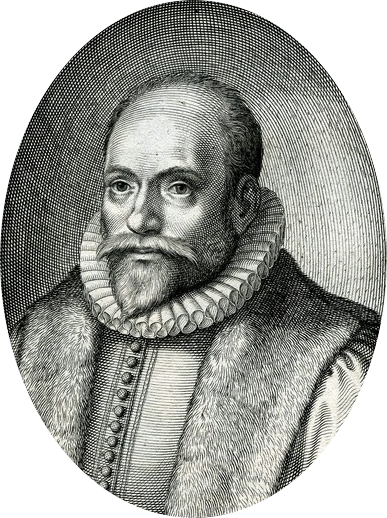
The Synod of Dort was a national assembly of the Dutch Reformed Church held in the city of Dordrecht between November 1618 and May 1619. Called to resolve a heated theological controversy that had arisen in the Netherlands, the synod examined the teachings associated with Jacobus Arminius and the movement that became known as Arminianism. The meeting opened on November 13, 1618 and concluded after 154 sessions on May 9, 1619. Delegates included representatives from the Dutch churches and invited commissioners from several Reformed churches abroad, reflecting the synod's national importance and its international connections.
Image gallery
5 Images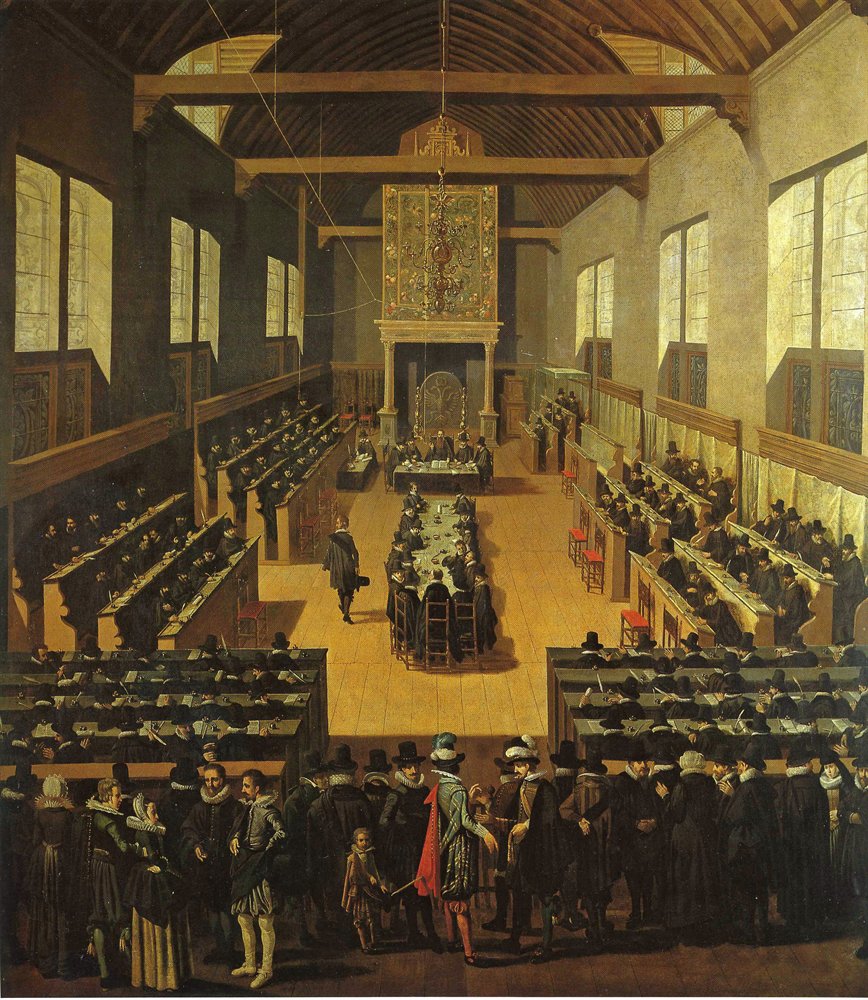


Background and context
In the early 17th century the Dutch Republic was not only a political and commercial power but also a center of theological discussion. Within the Dutch Reformed community, disagreement grew over questions of predestination, grace, and the certainty of salvation. Those who followed Arminius presented a formal document, called the Remonstrance, outlining their objections to certain points of strict predestinarian doctrine. Opponents, often labeled Contra-Remonstrants, pressed for a national synod to settle the issue. The dispute had political as well as religious dimensions: leading magistrates and military leaders took sides, and the session's outcomes affected clerical appointments, civil policy, and the standing of prominent statesmen.
Proceedings and participants
The synod assembled commissioners from the Dutch provinces and invited delegates from Reformed bodies in other countries; churches from at least eight nations sent representatives. Sessions combined theological debate with careful examination of confessions, sermons, and published writings. The assembly followed a formal procedure typical of early modern church councils: arguments were heard, positions were written down, and committees drafted responses. While the synod's remit was ecclesiastical, its decisions were later enforced with civil measures, which led to expulsions and other penalties for some Remonstrant ministers and their supporters.
Decisions: the Canons of Dort
The chief product of the synod was a set of doctrinal statements known as the Canons of Dort. These canons responded point by point to the Remonstrant assertions and articulated a Reformed position on key matters of soteriology (the doctrine of salvation). The Canons are commonly summarized in five main emphases—often later condensed by theologians into the mnemonic TULIP—although that acronym was not used by the synod itself. The Canons addressed:
- Divine election and reprobation
- Original sin and human inability to save oneself
- Particular or definite atonement
- Irresistible grace in the application of salvation
- Perseverance of the saints
Consequences and legacy
The Synod of Dort shaped Reformed theology and church life for generations. Within the Dutch Republic, it led to the marginalization and, in some cases, removal or exile of ministers and professors associated with the Remonstrant cause. Politically, the proceedings were tied to struggles between civic leaders and the stadtholder; one prominent statesman who had advocated a more tolerant approach faced arrest and harsh punishment in the months surrounding the synod. More broadly, the Canons of Dort became an authoritative doctrinal standard for many Reformed churches and have been included alongside other confessional documents by denominations tracing their heritage to the Reformation.
Notable distinctions and continued relevance
Modern historians emphasize several features of the Synod of Dort: its mix of theological rigor and political pressure, its role in codifying a Reformed response to Arminian objections, and its international character through invited delegates from other Reformed churches. The synod's judgments remain a reference point in debates about free will, grace, and predestination. For those interested in the city where it met, further information about Dordrecht and the synod's historical setting can be found through regional and church histories concerning the Netherlands.
As an ecclesiastical assembly, the Synod of Dort illustrates how theological controversy, church governance, and state power could intersect in early modern Europe. Its canons and the controversies it settled (and left unresolved) continue to be studied by theologians, historians, and members of Reformed traditions today.
Questions and answers
Q: When did the Synod of Dort take place?
A: The Synod of Dort took place in 1618-1619.
Q: Why did the Dutch Reformed Church hold the Synod of Dort?
A: The Dutch Reformed Church held the Synod of Dort in order to discuss an important issue in the Dutch churches that began with the teachings of Jacobus Arminius and the rise of Arminianism.
Q: Where did the Synod of Dort take place?
A: The Synod of Dort took place in the town of Dordrecht in the Netherlands.
Q: How many meetings were held during the Synod of Dort?
A: The Synod of Dort consisted of 154 meetings.
Q: Who was invited to the Synod of Dort?
A: Members from the Reformed churches in eight different countries were invited to the Synod of Dort.
Q: What is the English name for the Dutch town of Dordrecht?
A: The English name for the Dutch town of Dordrecht is Dort.
Q: What is the Synod of Dort also known as?
A: The Synod of Dort is also known as the Synod of Dordt or the Synod of Dordrecht.
Related articles
Author
AlegsaOnline.com Synod of Dort (1618–1619) — Purpose, decisions and legacy Leandro Alegsa
URL: https://en.alegsaonline.com/art/95675