
Swashbuckler Film: Origins, Traits, and Notable Examples
An overview of the swashbuckler movie: defining features, historical development, notable examples and performers, and why the romantic sword-and-adventure film endures.
Overview
Swashbuckler films are a style of adventure cinema built around bold, sword-wielding protagonists who combine physical daring with an insistence on personal honor. These stories foreground thrilling duels, daring rescues, romantic subplots and clearly drawn villains. Rather than aiming for documentary realism, the swashbuckler embraces spectacle: carefully staged fights, elaborately designed costumes and sets, and musical scores that underscore heroism and suspense. Many of the best-known examples—The Three Musketeers, The Scarlet Pimpernel, Robin Hood and Zorro—present an idealized form of chivalry and justice.
Image gallery
5 Images

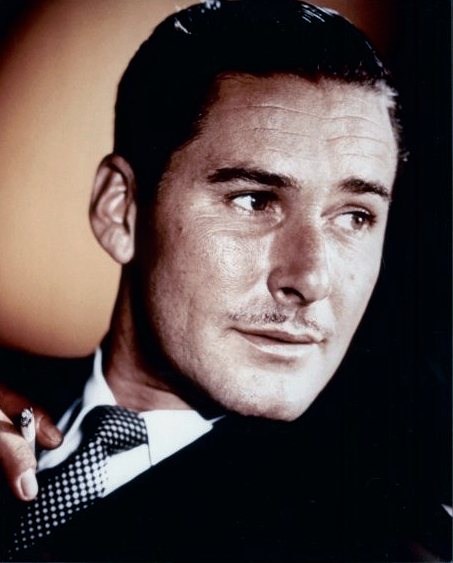


Typical characteristics
- A central heroic figure who is brave, resourceful and guided by a personal code of honor.
- Swordplay and choreography: extended fight sequences that are as much theatrical ballet as combat.
- Romantic and rescue plots: the hero often saves a love interest or the oppressed, reinforcing moral clarity.
- Lavish production: ornate costumes, period architecture and studio-crafted sets create an immersive historical or exotic setting.
- Rousing music: orchestral scores that heighten peril and triumph.
Historical origins and literary roots
The cinematic swashbuckler draws heavily on earlier romantic costume novels and stage plays. Authors such as Alexandre Dumas and Rafael Sabatini supplied plots and characters whose mixture of adventure, intrigue and moral clarity translated easily to film. These literary antecedents provided the archetypes and episodic structures—duels, disguises, narrow escapes—that became staples of the screen version.
Development on screen
As a visible Hollywood phenomenon the swashbuckler became especially flamboyant in the studio era. Early silent-era spectacles established many conventions, and the 1920s saw the rise of star-driven swashbucklers led by performers like Douglas Fairbanks. A later wave during the 1930s and early 1940s is often associated with Errol Flynn, whose films combined athleticism, charm and studio polish. A 1950s cycle—featuring adaptations of medieval romances such as Ivanhoe—renewed audience interest, while television series like The Adventures of Robin Hood brought the form to serial audiences. In more recent decades the genre has been revived and reinterpreted, for example in the blockbuster Pirates of the Caribbean films, which fused pirate adventure with modern special effects and comic tone.
Settings and thematic scope
Swashbucklers frequently place their action in recognizable past eras or exotic locales: the European Renaissance or Restoration courts, Arabian deserts and bazaars, or on the decks of pirate ships. The historical backdrop is often less important than the tone it allows—the sense of danger, ceremony and social hierarchy that creates stakes for heroism. While historical detail may appear, the emphasis is on adventure and moral contrasts rather than on strict accuracy.
Notable examples and cultural impact
Classic film examples include stage and screen adaptations of The Three Musketeers and The Scarlet Pimpernel; popular folk-hero tales about Robin Hood and the masked Zorro; and many studio productions that became synonymous with the genre. The swashbuckler influenced other action-oriented genres and helped codify cinematic techniques—camera moves, editing rhythms and musical cues—that emphasize momentum and valor. It also offered escapist entertainment during difficult social periods: audiences frequently sought the glamour and clear moral universe of swashbucklers when real life felt uncertain.
Distinctions and modern reinterpretations
Swashbucklers differ from purely historical dramas in their prioritization of spectacle and archetypal conflict over nuanced social analysis. They overlap with pirate films and historical epics but remain distinct in their focus on swordplay, individual heroics and courtly romance. Modern filmmakers sometimes subvert or update these elements—injecting irony, psychological complexity or realism—while others celebrate the traditional conventions in faithful homages. The genre’s continued presence in literature, film and television attests to the enduring appeal of a confident, honorable hero who confronts danger with wit and a rapier.
For readers who want to explore further, many studies of classic cinema and genre history examine the swashbuckler’s cycles within Hollywood and international film production, and collections of period adventure fiction trace the literary influences that sustained the form.
Further resources: a general overview of the genre, historical notes on the Renaissance settings often used, biographies of Errol Flynn and Douglas Fairbanks, discussions of romantic novelists like Sabatini and Dumas, the 1950s cycle exemplified by Ivanhoe, and retrospectives of British television series that brought swashbuckling into living rooms worldwide.
Related articles
Author
AlegsaOnline.com Swashbuckler Film: Origins, Traits, and Notable Examples Leandro Alegsa
URL: https://en.alegsaonline.com/art/95436