
Supreme Court of the Philippines
The Supreme Court is the highest judicial body in the Philippines, responsible for constitutional interpretation, final adjudication, and administrative supervision of the lower courts and judicial personnel.
The Supreme Court of the Philippines (Kataas-taasang Hukuman ng Pilipinas) is the nation's highest judicial tribunal and the final arbiter of questions of law and constitutionality in the Philippines. As the apex court, its rulings settle legal disputes, interpret the constitution and statutes, and bind lower courts under the principle of stare decisis.
Image gallery
10 Images


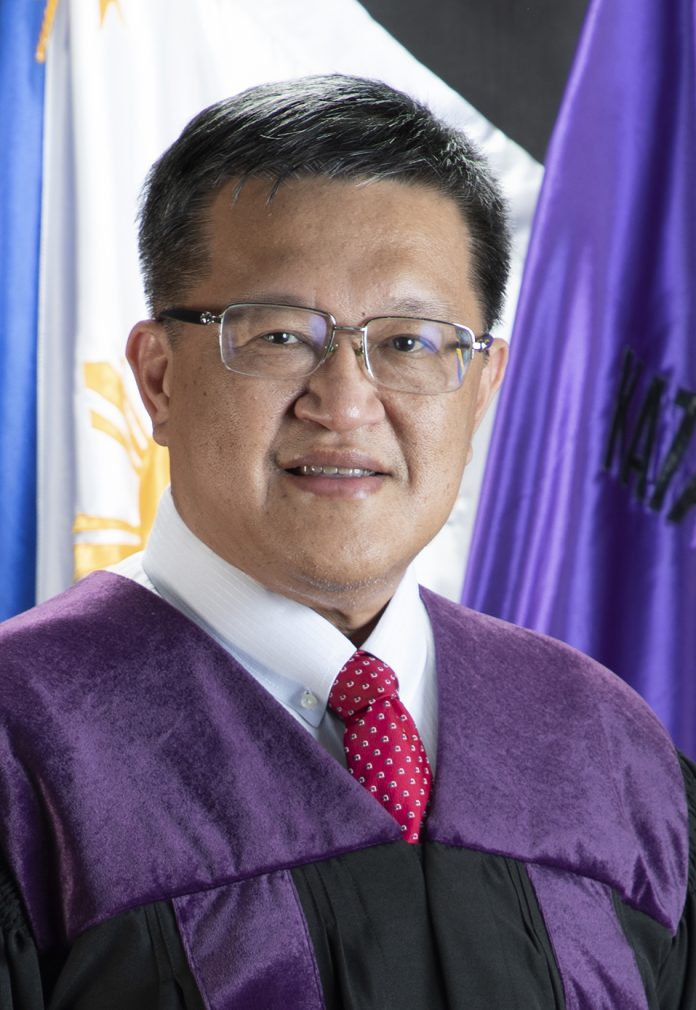

Composition and appointment
The court is composed of a Chief Justice and fourteen Associate Justices, forming a fifteen-member body. Justices are appointed by the President from nominees screened by the Judicial and Bar Council, and they serve until the mandatory retirement age of 70. The Chief Justice presides over sessions and represents the court in administrative matters.
Jurisdiction and powers
The Supreme Court exercises both original and appellate jurisdiction. It is the final court of appeal for civil, criminal and administrative cases and has exclusive original jurisdiction in specific matters defined by law. A central function of the court is judicial review—the power to declare statutes, executive acts or local ordinances unconstitutional. The Court also issues supervisory and remedial writs that are essential to the protection of legal rights, including:
- habeas corpus
- certiorari
- mandamus
- prohibition and injunction
Organization and procedure
The court sits en banc (together) for certain important cases and constitutional questions, while routine matters are often decided by smaller divisions. Its decisions are published and become binding precedent for lower courts. Beyond adjudication, the Supreme Court holds administrative supervision over all courts and their personnel, enabling it to hear disciplinary cases and oversee court administration nationwide.
History and role
Tracing its roots to earlier colonial-era tribunals, the modern Supreme Court has evolved through successive constitutions and legal reforms. The current framework derives its authority from the national constitution, which sets the court's composition, powers and duties. Over time the court has played a key role in shaping public law in the country, protecting individual rights, resolving political disputes, and maintaining the rule of law.
Significance and notable features
As the highest judicial authority, the Supreme Court performs a balancing function among branches of government and serves as a guardian of constitutional governance. Its rulings often have wide social and political impact. The court's responsibility for both final adjudication and administrative supervision makes it central to the integrity and functioning of the Philippine judiciary.
Related articles
Author
AlegsaOnline.com Supreme Court of the Philippines Leandro Alegsa
URL: https://en.alegsaonline.com/art/95123