
Supreme Court of India
The Supreme Court of India is the country’s highest judicial authority, with powers to hear appeals, protect fundamental rights, and interpret the Constitution.
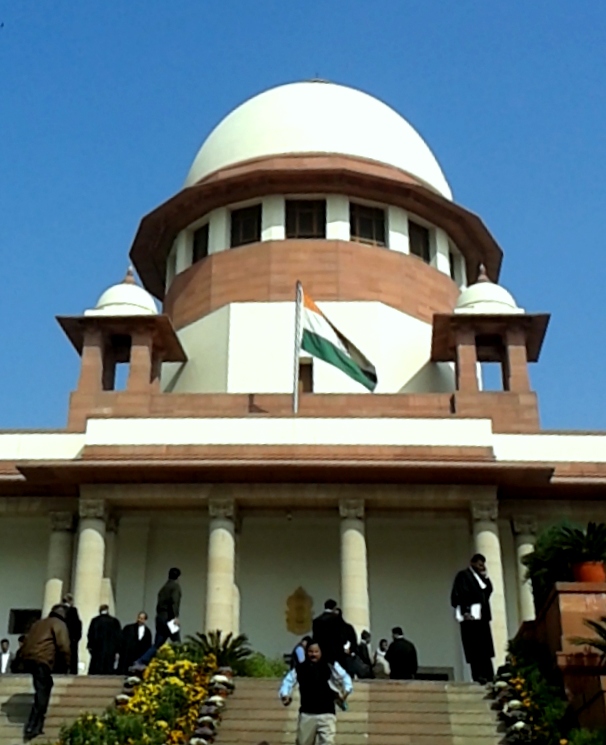
The Supreme Court of India is the highest judicial authority in India and the final court of appeal. Based in New Delhi, it stands at the top of the country’s court system and plays a central role in interpreting the Constitution, resolving major legal disputes, and protecting individual rights. It is also the body that gives the last word on questions of law in most cases.
As the apex court, the Supreme Court does more than decide criminal and civil appeals. It can hear constitutional matters, review the actions of the government, and ensure that laws and executive decisions remain within the limits set by the Constitution. In this sense, it is closely linked with the idea of judicial review, which allows courts to examine whether a law or official action is valid.
Image gallery
7 Images



Key powers
The court’s work is usually described in several broad categories. Its jurisdiction includes appeals from high courts and certain tribunals, original cases involving disputes between the Union and the states, and petitions seeking protection of fundamental rights. It may also give advisory opinions to the President of India on important legal questions. Through these powers, the court helps maintain balance between the different branches of government.
- Appellate jurisdiction: hears selected appeals from lower courts.
- Original jurisdiction: decides some disputes directly, especially federal disputes.
- Constitutional interpretation: explains the meaning of constitutional provisions.
- Rights protection: hears petitions connected with fundamental rights.
History and structure
The Supreme Court began functioning in 1950, soon after India became a republic. It replaced earlier colonial-era arrangements and became the central institution of the new constitutional order. The court is headed by the Chief Justice of India and other judges appointed under constitutional procedures. Its size has changed over time as the needs of the judiciary have grown.
Over the years, the court has become important not only for formal appeals but also for public-interest litigation, environmental questions, election disputes, and other matters affecting national life. Its judgments often influence government policy, public administration, and the everyday rights of citizens. For this reason, the court is widely seen as one of the most significant institutions in Indian democracy.
For readers comparing court systems, the Supreme Court of India is best understood as both a constitutional court and the nation’s highest appellate court. It is the institution that stands at the end of the judicial process and helps define how law is applied across the country, while remaining distinct from the high courts and subordinate courts that handle most cases first.
Related topics include the Constitution of India and the broader structure of the Indian judiciary, as well as the role of the Chief Justice of India in court administration and judicial leadership.
Related articles
Author
AlegsaOnline.com Supreme Court of India Leandro Alegsa
URL: https://en.alegsaonline.com/art/95118