
Ticino (river)
Alpine river rising near Nufenen, running through Switzerland's canton of Ticino and northern Italy into the Po; important for hydropower, irrigation, lakeside ecosystems and recreation.
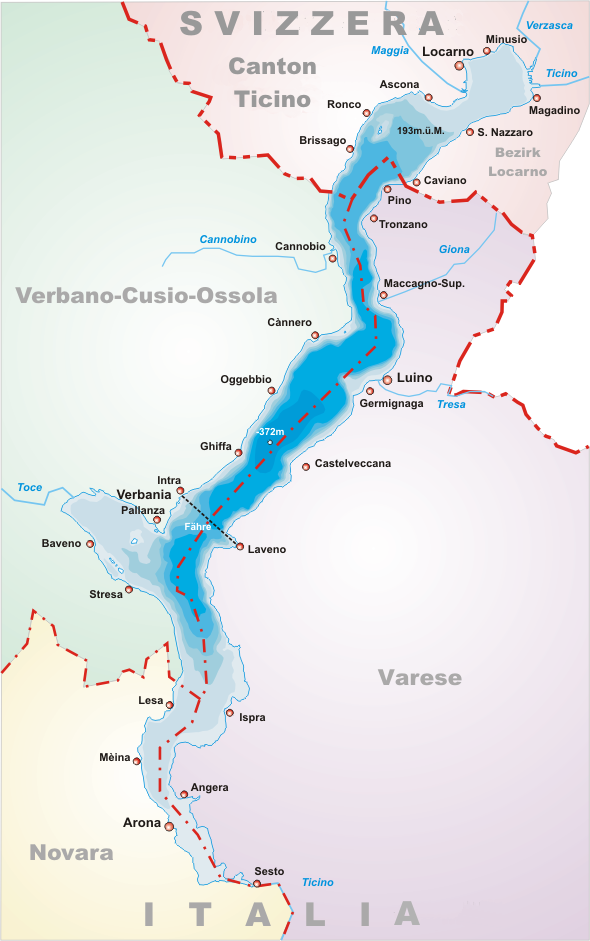
The Ticino is an Alpine river that begins near the high passes of the Alps, close to Nufenen. From its source it descends into the Swiss plateau and travels through the Swiss canton commonly known as the canton of Ticino. After crossing the border it continues across northern Italy and finally joins the Po River near Pavia. The river's total length is about 270 km, and along its course it passes through and drains Lago Maggiore before flowing on toward the Po.
Image gallery
8 Images



Course and physical characteristics
The Ticino's profile is typical of Alpine rivers: a steep upper reach with mountain streams and narrow valleys, followed by gentler stretches on the plain. It receives water from snowmelt and rainfall, which causes seasonal variation in flow. The river crosses a mix of natural landscapes and urban zones, providing both corridor and barrier functions in the region it drains.
Uses and infrastructure
Human use of the Ticino varies by country. In Switzerland the river is extensively managed for electricity production: a series of dams and reservoirs regulate flow and supply hydropower. Downstream in Italy, the water is predominantly applied to agriculture, acting as a source for irrigation systems that support crops on the Po plain. Along its route the Ticino also supports navigation in limited sections, local industry, and recreational activities such as fishing, boating and riverside trails.
Ecology, recreation and conservation
The Ticino basin includes lakeshore habitats, wetlands and floodplain woodlands that host diverse plant and animal life. Parts of the river corridor are valued for nature conservation and for outdoor recreation that benefits nearby towns and tourist areas. Management balances energy and agricultural uses with efforts to maintain water quality, protect habitats and reduce flood risk.
History and cultural significance
The name of the river gave its identity to the surrounding Swiss canton. Historically the Ticino has influenced settlement patterns, transport routes and local economies on both sides of the border. It remains an important physical and cultural feature linking Alpine highlands with the Po valley.
- Source region: near Nufenen and the Alpine watershed (Nufenen, Alps).
- Major lake: flows through Lago Maggiore and connects to the Po near Pavia.
- Length and reach: approximately 270 km, crossing Switzerland and Italy.
- Principal uses: Swiss hydropower (dams) and Italian irrigation.
For further regional information and maps see local resources and guides linked to administrative sites and conservation organizations (Swiss authorities, canton information), or consult hydrological summaries for the Po basin and its tributaries.
Related articles
Author
AlegsaOnline.com Ticino (river) Leandro Alegsa
URL: https://en.alegsaonline.com/art/99786