
Tasmanian Wilderness
Large tracts of temperate wildlands in Tasmania, Australia, notable for the Tasmanian Wilderness World Heritage Area, ancient Aboriginal sites, diverse ecosystems and distinctive mammals such as the thylacine and Tasmanian devil.
Overview
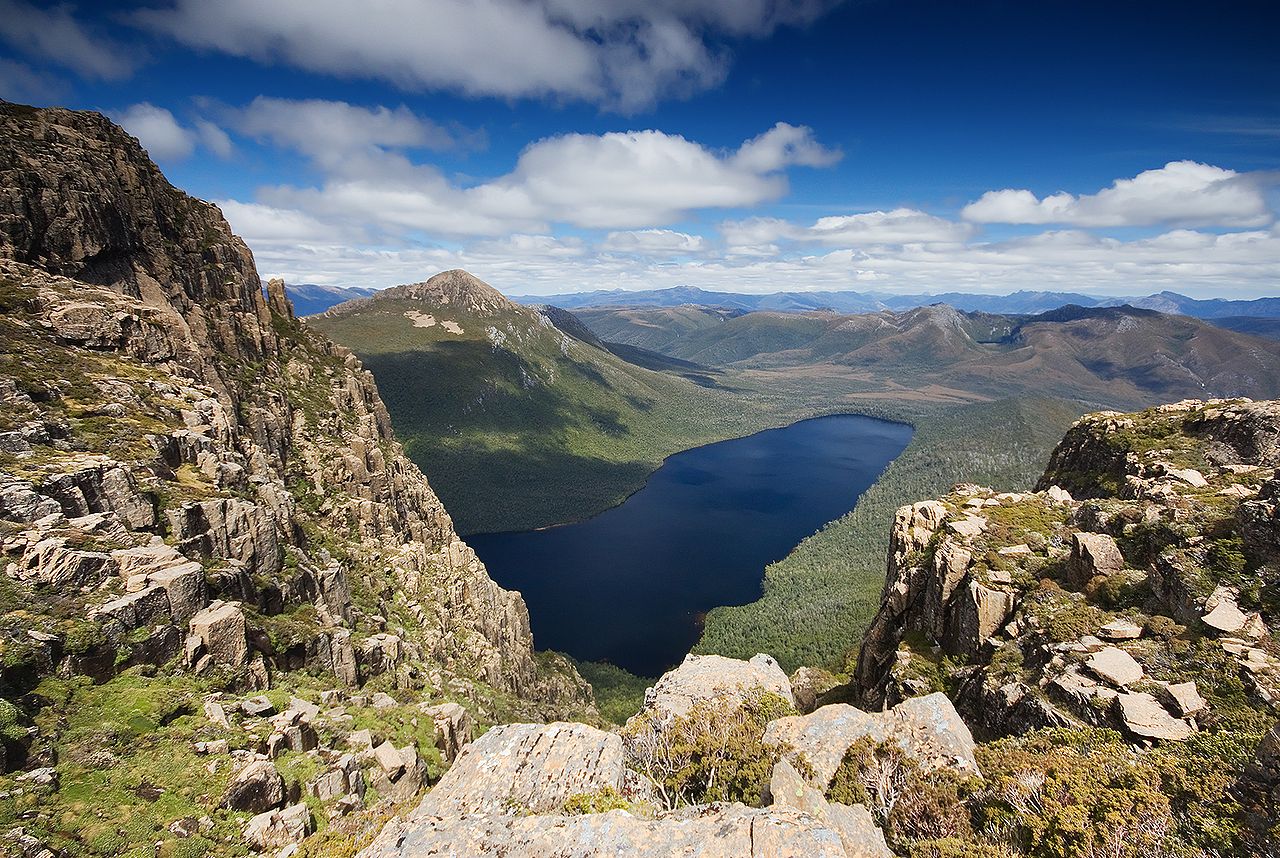
The term Tasmanian Wilderness refers to several extensive areas of largely intact natural landscape on the island of Tasmania in Australia. It is most commonly used in connection with the Tasmanian Wilderness World Heritage Area but also describes other wild tracts, such as the Tarkine and Cradle Mountain regions. These places include rugged mountains, deep river valleys, large tracts of temperate rainforest, alpine plateaus and coastal heath. The assembled lands are valued both for their ecological importance and for an exceptionally long record of human occupation.
Image gallery
10 Images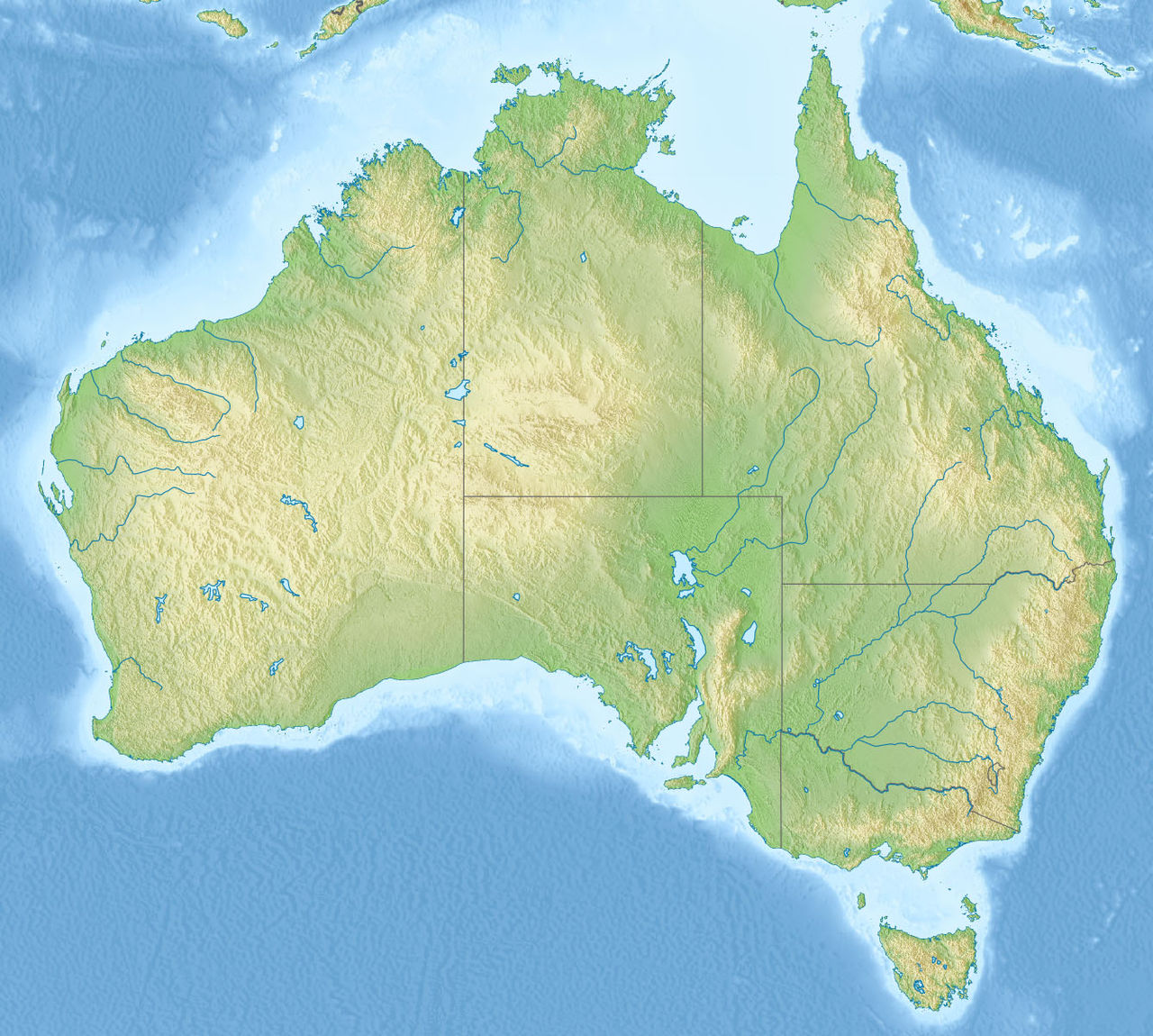




World Heritage designation and extent
The Tasmanian Wilderness World Heritage listing recognises combined natural and cultural values. The formally inscribed World Heritage Area covers roughly 13,800 km², representing nearly one fifth of Tasmania, and was first added to the World Heritage List in 1982, with later extensions to incorporate additional values. The international recognition highlights outstanding examples of temperate wilderness, refugial vegetation communities and a suite of archaeological and cultural sites that document long-term Aboriginal use.
Landscape, geology and climate
Geologically ancient landforms—weathered plateaus, quartzite mountain ranges and glaciated basins—shape the region. The varied climate, from wet temperate rainforest on the western slopes to colder alpine environments inland, supports mosaics of vegetation: buttongrass moorlands, cool temperate forests, alpine herbfields and unique riparian communities. Freshwater systems, including rivers, lakes and wetlands, are important for ecological connectivity and sustain specialized aquatic life.
Plants and animals
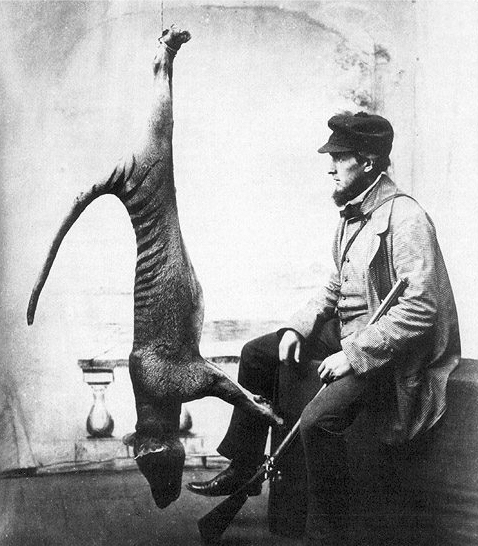
Flora includes many endemic and relic species that survived past climatic shifts. Fauna of conservation interest ranges from small marsupials and ground-dwelling birds to invertebrates and specialised plants. Historically the region was the last stronghold of the thylacine, a member of the order Dasyuromorphia and the family Thylacinidae, with the last known captive individual dying in 1936. The Tasmanian devil, the world’s largest surviving carnivorous marsupial, remains a prominent native mammal though it faces threats from disease and habitat change.
People, archaeology and cultural values
Archaeological evidence from limestone caves and rock shelters shows Aboriginal presence in parts of these landscapes for many thousands of years—commonly cited time frames extend beyond 20,000 years in some deposits. Sites within the Wilderness Area hold important cultural, spiritual and scientific information. Contemporary custodianship, Indigenous knowledge and collaborative management are increasingly recognised as essential to conserving both tangible and intangible heritage.
Protected areas, organisations and management
The World Heritage Area is complemented by national parks, reserves and other protected land that together help preserve large, contiguous ecosystems. Conservation groups and community organisations, including bodies historically active in advocacy and education, contribute to protection and public awareness; one example is the Tasmanian Wilderness Society. Official park management seeks to integrate conservation, scientific research and sustainable recreation, and to address threats while maintaining wilderness values.
Threats and conservation challenges
Key contemporary pressures include altered fire regimes, invasive plants and animals, impacts from nearby development or resource proposals, and the long-term effects of climate change on temperature- and moisture-sensitive communities. Disease has also affected some iconic species. Active management, monitoring and community engagement are necessary to reduce risks and maintain the ecological and cultural values recognised by UNESCO as central to the World Heritage listing. Local conservation policy and national frameworks aim to balance protection with appropriate visitor access and scientific study.
Recreation, education and research
The Tasmanian Wilderness offers opportunities for bushwalking, scientific research and environmental education. Iconic walking routes, mountain features such as Cradle Mountain and remote southern wilderness areas attract visitors seeking wilderness experiences. Responsible visitation, controlled access in sensitive zones and well-planned interpretive programs help reduce impacts while supporting public understanding of the region’s importance. For more information about the World Heritage listing and conservation work see the World Heritage Area pages and conservation resources: World Heritage details, regional wilderness information, and materials on conservation approaches (conservation resources). Further reading and organisational contacts can be found through national park services and community groups: Tasmania resources, Australia conservation links, and outreach providers (UNESCO background).
Related articles
Author
AlegsaOnline.com Tasmanian Wilderness Leandro Alegsa
URL: https://en.alegsaonline.com/art/96479
Sources
- parks.tas.gov.au : "Cradle Mountain - Introduction"