
Super Mario World
A landmark side‑scrolling platform game for the Super Nintendo, introducing Yoshi and new mechanics. Widely acclaimed, with strong sales, remakes and lasting influence on platform design.
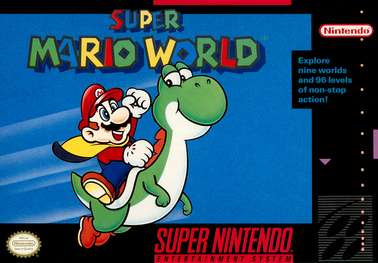
Super Mario World is a side‑scrolling platform game developed and published by Nintendo for the Super Nintendo Entertainment System. Released in the early 1990s, it is commonly counted as the fifth mainline entry in the Mario series. The title expanded the familiar Mario formula with a broad overworld, new power‑ups and the first appearance of the dinosaur companion Yoshi. It achieved strong commercial success, selling more than 20 million copies, and is frequently cited as one of the most influential platform games.
Image gallery
7 Images



Gameplay and key features
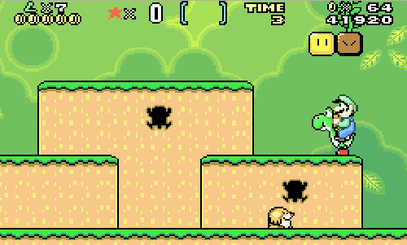
The game retains the core run‑and‑jump action of earlier Mario titles while adding several notable mechanics. Players control Mario (and, in two‑player mode, can alternate with Luigi) as they move through diverse levels to rescue Princess Peach and confront Bowser. Distinctive features include an interconnected overworld map with secret exits, a cape power‑up that enables flight, and varied enemy and terrain design that rewards exploration and skillful timing.
- Yoshi: Riding Yoshi alters movement and attack options; different colored Yoshis and their abilities add strategic variety.
- Cape Feather: A unique power‑up that allows gliding and brief flight, changing level approaches.
- Secret exits and branching paths: Levels often hide alternate exits that unlock new map routes and bonus stages.
Development and presentation
Created to showcase the capabilities of the SNES, the game features more colorful and detailed graphics, smoother animation and a richer soundtrack than earlier entries. The music, often attributed to Nintendo's in‑house composers, is notable for strong melodies that complement level themes. The design balances accessibility for new players with hidden challenges that encourage replay.
Versions, remakes and media
The original cartridge became a best‑seller on the SNES platform. The title was later adapted for portable play as Super Mario Advance 2 on the Game Boy Advance, which updated visuals and included additional features. The game's popularity also inspired an animated television adaptation which aired on NBC in the early 1990s. Over the years the game has been reissued in various Nintendo compilation releases and continues to be played via official rereleases.
Legacy and influence
Super Mario World shaped platform design by popularizing overworld maps with branching routes and by demonstrating how a single companion character (Yoshi) could significantly diversify gameplay. Its combination of approachable mechanics, hidden content and technical polish has made it a frequent reference point in retrospectives and game design studies. Fan communities keep interest alive through speedruns, level guides and ROM‑hack projects that expand or reinterpret the original levels.
Notable distinctions
- Introduced Yoshi to the Mario cast, who later became a recurring character and franchise spin‑off lead.
- One of the best‑selling games on its original hardware, with long‑term critical acclaim.
- Serves as a model for balancing exploration and linear platforming within the same title.
For historical context and further information, the game is often discussed alongside other Nintendo classics of the era and remains an essential example of 2D platform design. Additional resources and official pages can be consulted via links to Nintendo and platform documentation for more technical or archival details.
Related links: Super Mario World, Nintendo, Super Nintendo Entertainment System, Yoshi, Game Boy Advance, Mario series, NBC.
Related articles
Author
AlegsaOnline.com Super Mario World Leandro Alegsa
URL: https://en.alegsaonline.com/art/95005