
Platform game (platformer)
A platform game is a video game genre centred on navigating environments by jumping and climbing between platforms; it includes 2D and 3D forms, many subgenres, and a history from early arcades to modern indies.
A platform game, commonly called a platformer, is a type of genre within interactive entertainment, typically a video game where the primary challenge is moving a character through levels by jumping, climbing, and timing maneuvers. The essential feature is player-controlled vertical movement across distinct surfaces or obstacles — a mechanic often referred to simply as platforming. While many games include jumping, a title is classified as a platformer when traversing and landing on platforms is a central, recurring gameplay element.
Image gallery
10 Images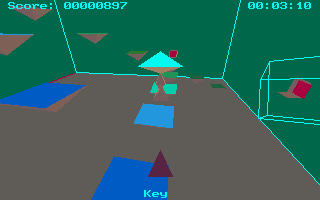



Core characteristics
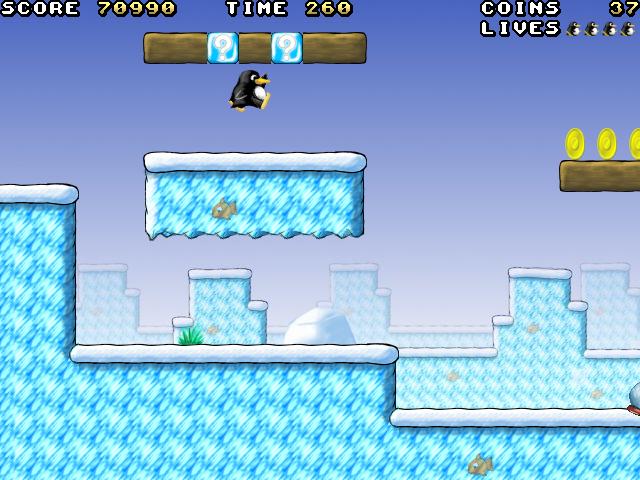
Platformers vary widely, but they commonly share several traits: precise player input and responsive controls; level design built from discrete surfaces and hazards; mechanics that change how characters move (double jump, wall jump, dash, variable jump height); and an emphasis on timing and spatial judgment. Levels may be linear or exploratory, and designers use gravity, collision physics, moving platforms, and pitfalls to create challenge.
- Movement mechanics: running, jumping, climbing, sliding, and special moves that alter traversal.
- Obstacles and enemies: static hazards, patrolling foes, environmental traps, and platform-based puzzles.
- Rewards: collectible items, power-ups, and secrets that encourage exploration.
History and development
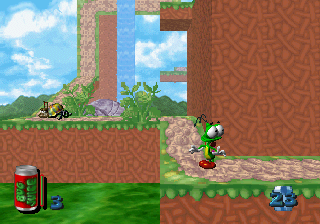
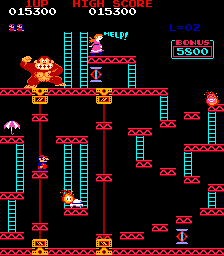
Platform games evolved from early arcade and home-computer titles. Single-screen arcade challenges introduced jumping as a mechanic in the late 1970s and early 1980s; scrolling and more complex level design followed as hardware improved in the 1980s and 1990s (see early 1980s developments). The mid-1990s brought a decisive shift to three-dimensional design, which required rethinking camera control, depth perception, and movement; landmark 3D platformers helped define how jumping and exploration translated into three axes.
Subgenres and notable examples
Platformers have blended with other genres to form distinct subgenres. Puzzle-platformers stress problem solving during traversal; run-and-gun titles combine shooting with movement; cinematic platformers emphasize realistic movement and animation; and Metroidvania-style games merge platforming with open exploration and progression (examples include Metroid-type titles). Classic examples often cited for their influence include early arcade hits, side-scrolling milestones, speed-focused designs, and the transition to 3D.
Design importance and modern trends
Level design is central to platformers: designers tune obstacle placement, timing, and rhythm to create a flow of challenge and reward. The indie game scene has revived and diversified the form, exploring minimalist controls, precise challenge (sometimes called "precision platforming"), procedural elements, and narrative-driven traversal. Platforming remains a common component in action-adventure, puzzle, and role-playing hybrids, and many contemporary titles use platforming segments to vary gameplay pacing.
Distinctions and lasting appeal
Not all games with jumping are platformers; when jumping is incidental rather than core, the game belongs to another category. The term also describes a skill — "platforming" — that players practice across genres. Platform games endure because they combine clear, learnable mechanics with level design that rewards skill, exploration, and experimentation. For further reading on how the genre evolved and its design principles, see resources linked here: genre overview, game taxonomy, and historical summaries such as gameplay studies and accounts of early eras (early timeline) or influential franchises (franchise examples).
Author
AlegsaOnline.com Platform game (platformer) Leandro Alegsa
URL: https://en.alegsaonline.com/art/77347