
Super Mario (video game series)
Long-running series of platform video games starring Mario, noted for its innovations in level design, power-ups, and both 2D and 3D play; influential across gaming and popular culture.
Overview
Super Mario is the name most commonly used for the primary platforming sub-series that grew from Nintendo's Mario franchise. The series began with the landmark side-scrolling game released in 1985 and has since expanded into many sequels, spin-offs and remakes. Super Mario titles typically center on the plumber Mario and his allies as they travel through themed worlds to overcome obstacles, collect items and confront recurring antagonists.
Image gallery
7 Images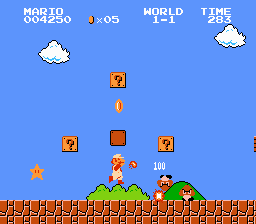




Core characteristics
Games in the Super Mario line are best known for accessible, responsive controls and carefully crafted levels that encourage exploration. Key design elements include power-ups that change a character's abilities, simple combat based on jumping or item use, collectible currency or score items, and a progression of increasingly complex challenges. The series spans 2D side-scrollers and fully 3D environments, with experiments in camera control, movement mechanics and cooperative play introduced across different entries.
Typical cast and story themes
Recurring characters anchor the series' continuity: Mario, his brother Luigi, Princess Peach and the antagonist Bowser are central figures, while companions such as Yoshi and a cast of supporting characters expand the setting. The narrative is usually framed as a quest—often a rescue mission—but several games vary the premise to explore new mechanics, introduce different protagonists, or tell events from another perspective.
Historical development and notable milestones
The early Super Mario titles helped define modern platforming by refining level structure and sprite-based animation. With hardware advances Nintendo translated the series into 3D play, which required rethinking camera and movement systems and inspired influential entries that set industry standards for 3D platform design. Over time the franchise has alternated between innovation—testing new controls, power-ups and level goals—and return-to-form releases that emphasize polished platforming fundamentals.
Examples and variations
- Traditional 2D platformers that emphasize precise jumps and secret-filled stages.
- 3D adventures that open large environments for exploration and incorporate camera control and varied objectives.
- Creative or experimental titles that allow level creation, co-operative play, or shift focus to other characters and playstyles.
Impact and legacy
Super Mario has had a substantial cultural and commercial impact. Its design approaches influenced countless platformers and other genres, and its characters are among the most recognizable in video games. The series has been celebrated in anniversaries and compilations, and many classic entries have been reissued or remade for newer hardware.
Development teams and releases
Development has been led by Nintendo teams traditionally associated with internal research and development divisions, often involving designers and producers who worked across multiple titles. Many entries appear across Nintendo's home consoles and handhelds, while remakes, ports and spin-offs help keep classic designs available on later systems.
Further reading and official pages
- Series overview and general information
- Original 1985 title details
- Classic console reference
- Handheld releases and adaptations
- Legacy ports and reissues
- Spin-offs and related games
- Notable divergent entries
- Character: Mario
- Character: Luigi
- Character: Yoshi
- Character: Princess Peach
- Character: Bowser
- Compilation releases and anniversaries
- Music and art collections tied to the series
Questions and answers
Q: What is Super Mario?
A: Super Mario is the biggest and most important sub-series of the Mario series. It started in 1985 with the creation of Super Mario Bros. on the Famicom and later on the Nintendo Entertainment System (also called NES).
Q: What consoles have not had a Super Mario game released for them?
A: The Game Boy, the Game Boy Color, and the Game Boy Advance have not had a Super Mario game released for them; only remakes, ports, or other spin-off games were released.
Q: Who are some characters that usually accompany Mario in his adventures?
A: In their adventure to search for and save Princess Peach from Bowser, Mario is usually accompanied by his brother Luigi and sometimes his best friend Yoshi.
Q: What does Bowser want to do in each game?
A: In each game, Bowser wants to takeover the Mushroom Kingdom or another place depending on which game it is.
Q: How do Bowser's troops try to stop Mario's attempts to save Princess Peach?
A: Bowser's troops try to stop Mario's attempts to save Princess Peach by blocking their path all over.
Q: Who developed most of these games in this series?
A: Most of these games were developed by Nintendo Entertainment Analysis and Development (also called Nintendo EAD) branch but not by the same area.
Q: How did Nintendo celebrate 25 years since releasing Super Mario Bros.?
A: To celebrate 25 years since releasing Super Mario Bros., Nintendo released a series of videos showing various tricks throughout the series' games on Wii's Nintendo Channel as well as a Wii port of Super Mario All-Stars which included a history booklet of the series and a CD containing several songs from games in this series.
Related articles
Author
AlegsaOnline.com Super Mario (video game series) Leandro Alegsa
URL: https://en.alegsaonline.com/art/95006
Sources
- gameinformer.com : "Mario's Creators Answer Burning Questions About The Series"