
Yokozuna: the highest rank in professional sumo
Yokozuna is the top rank in professional sumo, marked by a sacred rope and a ritual ring-entering ceremony. This article explains the rank, its symbols, history, promotion, duties and retirement.
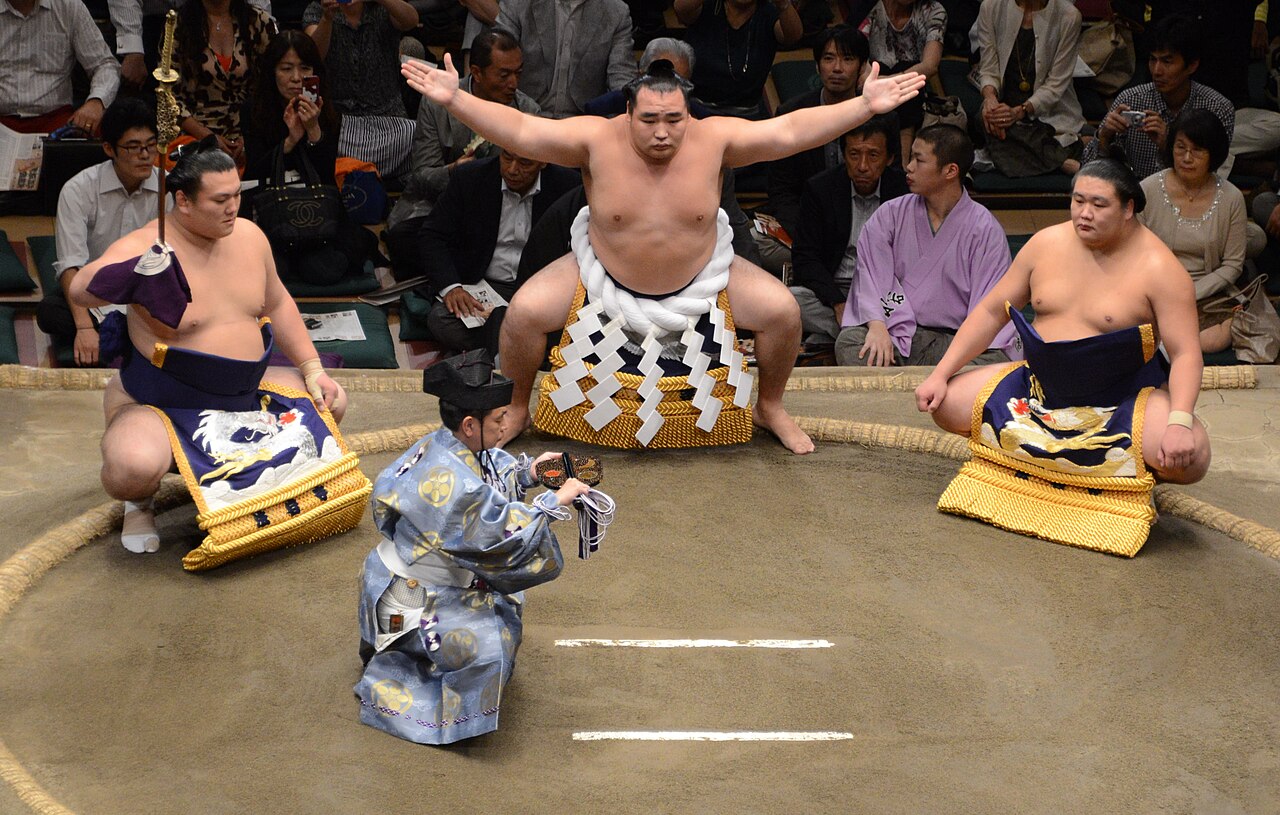
The term yokozuna designates the highest possible rank in professional sumo. It is reserved for the most accomplished and respected wrestlers (also called rikishi) and combines athletic achievement with ceremonial and cultural responsibilities. A yokozuna is immediately recognizable by a thick braided rope worn only during the ring‑entering ritual; the status also carries expectations of dignity, leadership and conduct both on and off the dohyo.
Image gallery
8 Images





Symbols and ceremonial role
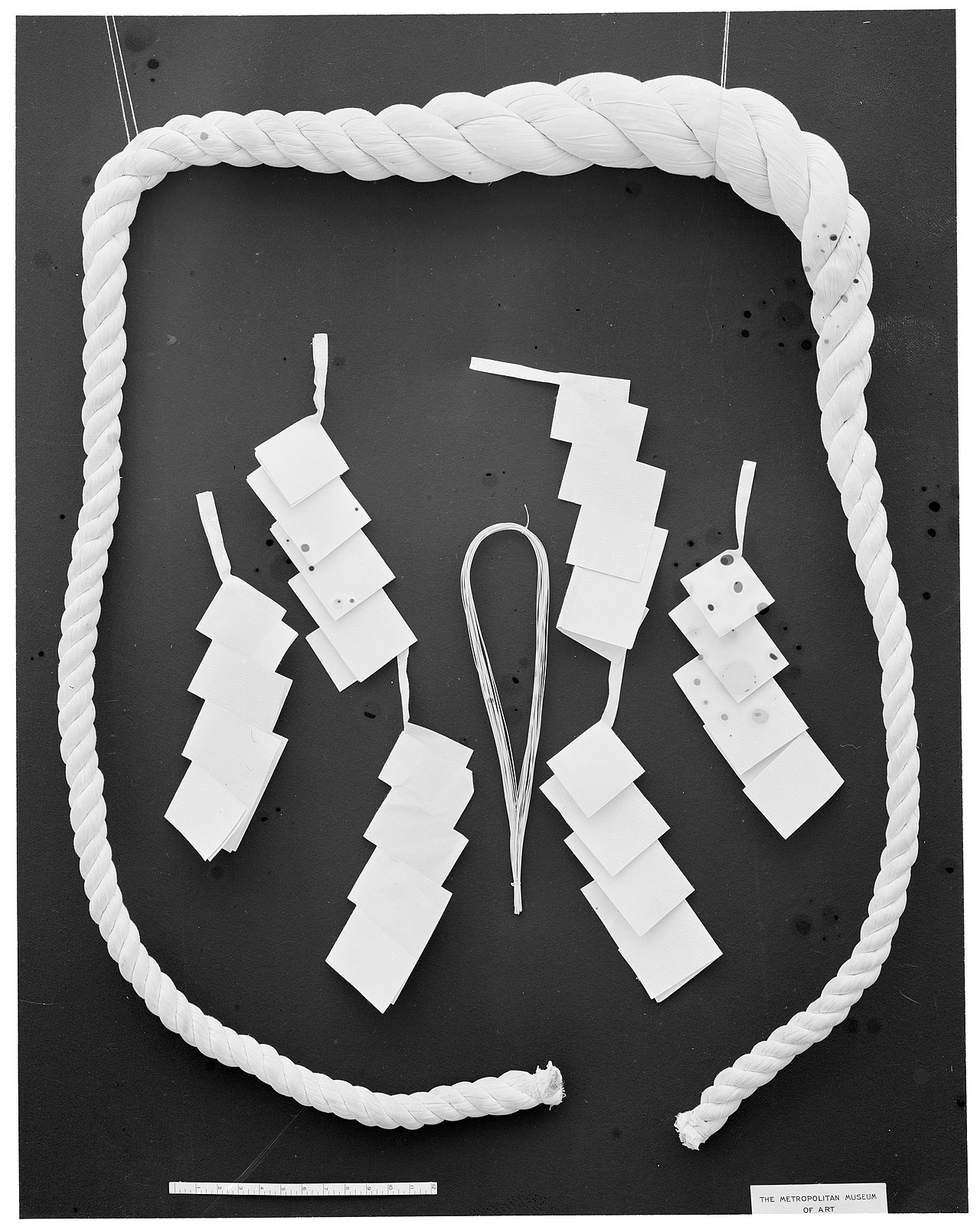
Most visible is the heavy braided rope (tsuna) that gives the rank its name: yokozuna literally means "horizontal rope." The tsuna is similar in form to ropes used in Shinto practice to mark and purify sacred areas, and it is worn only for the dohyo‑iri, the ritual procession into the ring at the start of each tournament. The tsuna can be large and cumbersome—around 20 kilograms in many cases—and is tied in a distinctive knot. During the dohyo‑iri the yokozuna performs a highly stylized ceremony that includes specific posture, stamping and arm movements; two main styles of the ceremony are traditionally recognized.
Distinction, promotion and status
Promotion to yokozuna is not a simple matter of accumulating wins. It is awarded after a sustained period of top‑level results, usually by a deliberative decision of the Japan Sumo Association and with input from former champions and family lineages that historically licensed the title. Candidates are typically already at the second‑highest rank, ōzeki, and their record must show consistent tournament championships or equivalent dominance. Unlike most lower ranks, a yokozuna cannot be demoted: if performance, injury or behavior make it clear the wrestler can no longer meet the standards expected of the rank, retirement is expected.
Expectations, responsibilities and conduct
Beyond competition, a yokozuna functions as an ambassador for the sport. The role combines athletic leadership with ceremonial duties at tournaments and public events, and their behavior is closely watched. They are expected to uphold tradition and to embody the dignity associated with sumo; lapses in conduct or prolonged poor results often lead to pressure to step down. After retirement many former yokozuna remain influential in the sumo world if they take on coaching or administrative positions, though such transitions require acquiring or inheriting an elder name within the association.
Notable features and distinctions
- The tsuna is unique to yokozuna and is not worn for actual matches, only for the dohyo‑iri.
- There are two principal styles of ring‑entering ceremony; these and other elements trace to Shinto ritual and to the historical development of sumo.
- A yokozuna’s legacy is judged by tournament success, longevity, and comportment; the rank blends sport and cultural symbolism.
Because the yokozuna holds both sporting and ritual significance, the position occupies a special place in Japanese culture and in the public image of modern sumo. Readers who want to explore basic terms, active wrestlers and historical lists can find introductory material about the sport at general sources and specialist pages: sumo overview, profiles of rikishi, descriptions of Shinto influences and discussions of sacred symbolism in sumo sacred contexts. These links provide entry points to deeper reading on how the rank developed, how promotion is judged, and how yokozuna have shaped the sport’s history.
Related articles
Author
AlegsaOnline.com Yokozuna: the highest rank in professional sumo Leandro Alegsa
URL: https://en.alegsaonline.com/art/109913