
Super Aguri F1 — Japanese Formula One Team (2006–2008)
Super Aguri F1 was a small Japanese-owned Formula One team founded by Aguri Suzuki that raced from 2006 until financial collapse in 2008, notable for Honda support and promoting Japanese drivers.
Super Aguri F1 was a privately run Formula One team created to keep Japanese driving talent and personnel in the world championship. Announced and led by former Grand Prix driver Aguri Suzuki, the team entered F1 competition in 2006 and operated until mid-2008. Although registered in Japan and maintaining an administrative base in Tokyo, much of the team's engineering and race operations took place in the United Kingdom at facilities previously used by other small F1 constructors.
Image gallery
5 Images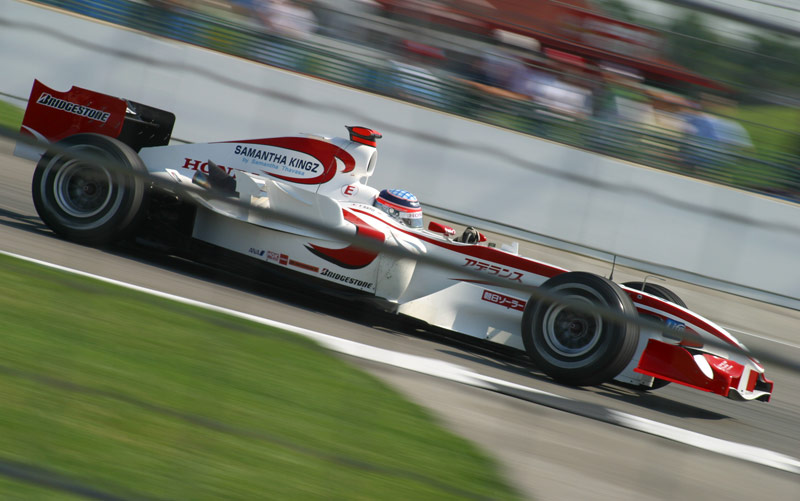


Origins and structure
The team's founding combined national interest, personal initiative and manufacturer assistance. Public and media interest in preserving a Japanese presence on the grid contributed to Honda's decision to provide engine supply and technical support, while Aguri Suzuki supplied leadership and the team's Japanese identity. Super Aguri retained a European technical base to access experienced engineers and motorsport infrastructure; it worked from the former Arrows facility in Leafield, UK, and maintained links to Japanese sponsors and industry.
Drivers and personnel
The driver line-up over the team's short existence included a mix of established and emerging talents. The squad is particularly remembered for giving a sustained opportunity to Takuma Sato, a well-known Japanese Grand Prix driver. Early in its history the team also ran Yuji Ide, whose brief stint in Formula One ended after difficulties that led to a super licence precautionary action and a replacement by more experienced drivers. The team later fielded drivers such as Franck Montagny and Anthony Davidson in various races.
Racing, cars and technical approach
Competing as a small independent entrant, Super Aguri built cars that combined in-house design work with technical components, most importantly Honda engines. The cars carried the Super Aguri–Honda badge to reflect that relationship. With limited resources relative to factory teams, Super Aguri focused on reliability, incremental development and exploiting race weekends to score occasional World Championship points — a meaningful achievement for a newcomer operating on a modest budget.
Seasons and key events
- 2006: The team made its entry into the championship, concentrating on completing races and learning the operational demands of F1.
- 2007: Continued development brought increased competitiveness and the ability to challenge midfield rivals; the team also navigated driver changes and regulatory scrutiny.
- 2008: After starting the season, Super Aguri encountered severe financial pressure. Sponsorship and funding shortfalls ultimately forced the team to withdraw partway through the year.
Demise and legacy
Financial difficulties, exacerbated by the high cost of competing in Formula One and the wider economic environment of the time, led Super Aguri to suspend operations after a limited number of 2008 events and to withdraw from the championship. Despite its short lifespan, the team is remembered for its role in supporting Japanese motorsport presence at the highest level, for providing a platform to several drivers and engineers, and for demonstrating both the opportunities and vulnerabilities of small, manufacturer-supported independent teams in modern Formula One.
Notable facts and further reading
Super Aguri is often described as an unofficial Honda second team because of the engine supply and technical ties with the manufacturer. The team's connection to Japan and its operation from the former Arrows site in Leafield are frequently cited in histories of 2000s-era F1. For contemporary reports and archives see the team's pages and motorsport coverage linked below.
Related resources: team overview, season summaries, race reports, Tokyo operations, Japan motorsport links, Arrows history, Leafield site, Honda technical partnership.
Questions and answers
Q: What was Super Aguri F1?
A: Super Aguri F1 was a Formula One racing team that competed from 2006 to 2008.
Q: Who founded Super Aguri F1?
A: Super Aguri F1 was founded by former F1 driver Aguri Suzuki.
Q: Where was Super Aguri F1 based?
A: Super Aguri F1 was based in Tokyo, Japan and operated from the former Arrows factory in Leafield, UK.
Q: What were the Super Aguri cars called?
A: The Super Aguri cars were called Super Aguri-Honda because they used Honda engines.
Q: Was Super Aguri F1 officially affiliated with Honda?
A: The team was, to some degree, an unofficial Honda second-team.
Q: What led to the start of Super Aguri F1?
A: In Japan, public pressure convinced Honda to help its former driver Takuma Sato to continue in Formula One, which led to the start of Super Aguri F1 and the engine supply from Honda.
Q: Why did the team withdraw from the 2008 season?
A: The team withdrew from the 2008 season after four races due to financial problems.
Related articles
Author
AlegsaOnline.com Super Aguri F1 — Japanese Formula One Team (2006–2008) Leandro Alegsa
URL: https://en.alegsaonline.com/art/94947
Sources
- grandprix.com : "Super Aguri F1 is go!"
- fia.com : "FIA entry list for 2006"
- grandprix.com : "Super Aguri F1 is missing"
- news.bbc.co.uk : "Super Aguri to re-apply for 2006"
- fia.com : "FIA Press Release - SUPER AGURI"
- formula1.updatesport.com : Formula-1.updatesport.com article
- newsonf1.net : "SUPER AGURI F1 TEAM ANNOUNCES DRIVERS FOR 2007 FORMULA ONE SEASON" · web.archive.org · archive.org
- autosport.com : "Super Aguri denied access to Istanbul""
- news.bbc.co.uk : "Struggling Super Aguri out of F1" · web.archive.org · archive.org
- autosport.com : "Super Aguri go into administration"