
Suez — Egyptian port city at the southern end of the Suez Canal
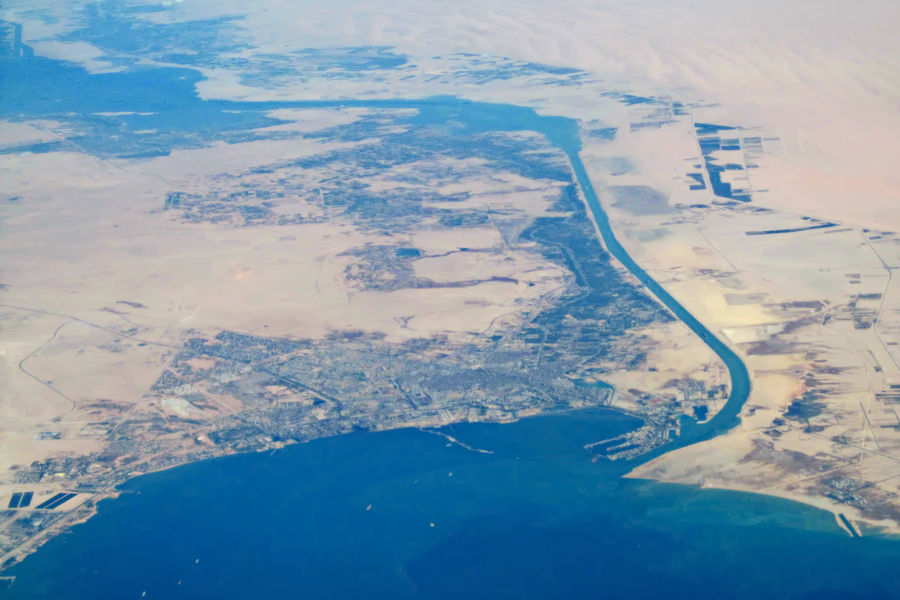
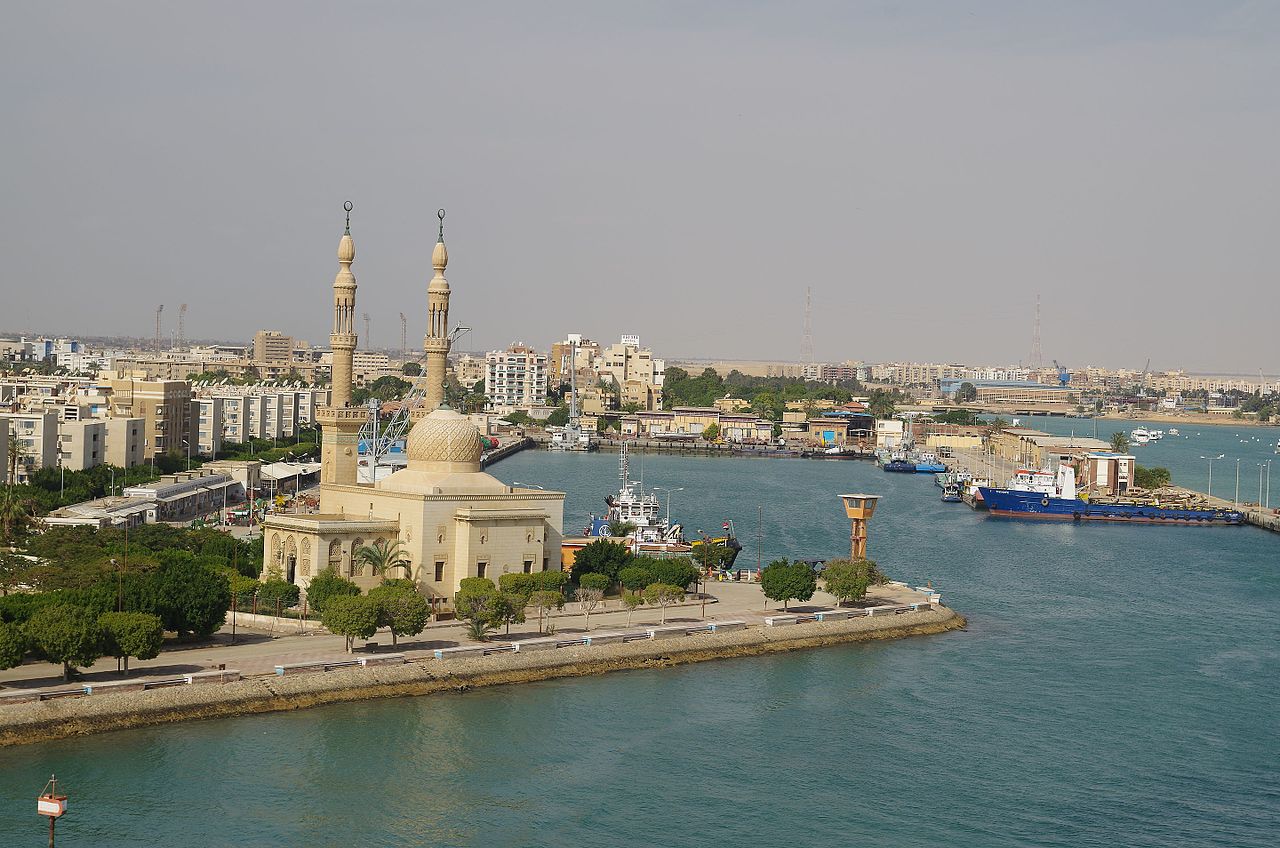
Suez is an Egyptian port city on the Gulf of Suez, the southern terminus of the Suez Canal. It is a regional hub for shipping, refining and transport with long strategic and historical importance.
Overview
Suez is a coastal city in northern Egypt on the northern shore of the Gulf of Suez. It is the southern terminus of the Suez Canal and functions as a regional hub for maritime traffic, oil and petrochemical activity, and land transport. The modern city accommodates roughly three-quarters of a million residents and supports two main harbours and a major commercial seaport; basic locator and civic information are available via Suez (map and data).
Image gallery
10 Images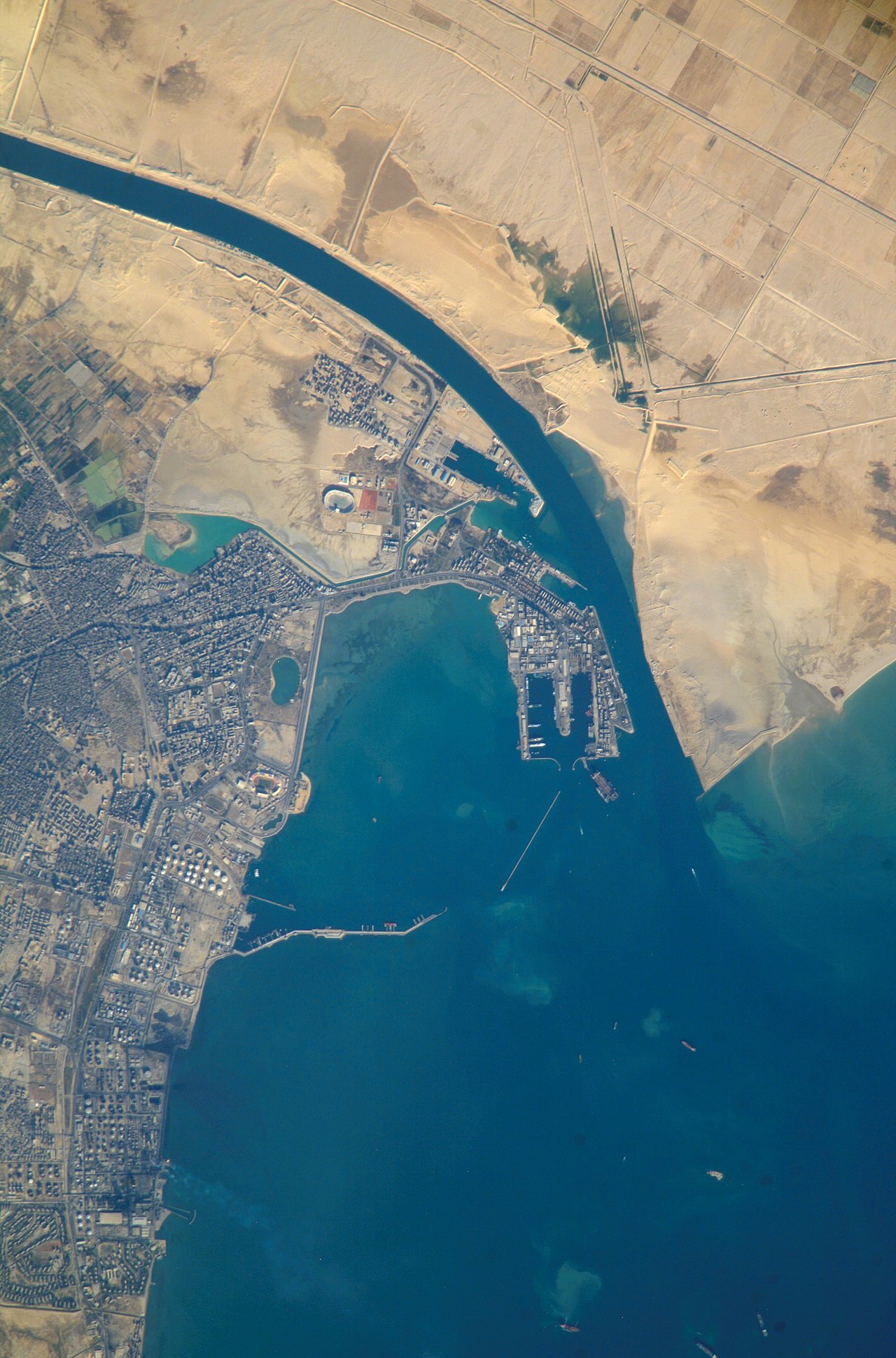





Name and identity
The city is known in Arabic as السويس (transliterated As Suwais or Es Suwais). Local identity and urban form reflect its maritime orientation: much of Suez's built environment, employment and culture are shaped by port activities, ship services and industries linked to the canal and the Red Sea trade routes.
History
Suez's position at a natural crossroads has made the area important since antiquity as a crossing and supply point between the Nile valley and the Red Sea. The opening of the Suez Canal in 1869 accelerated its growth into a modern port and logistics centre. In the 20th century the city's fate was tied to the canal: the 1956 nationalization and the Suez Crisis, later conflicts and reconstruction affected infrastructure and demographics. Postwar recovery and industrial investment have continued to reshape the city.
Geography and climate
Situated where the canal meets the Gulf of Suez, the city occupies coastal plains bordered by desert. The climate is arid: summers are hot and dry, winters mild, and annual rainfall is scant. Coastal waters and the nearby Red Sea ecosystem influence local fisheries and marine activities, while the surrounding desert frames urban expansion.
Economy, ports and industry
Suez's economy centers on port services, energy and logistics. The city hosts repair yards, bunkering and pilotage services tied to the Suez Canal, container and general cargo terminals, and facilities for petroleum handling. A notable oil refinery and associated storage terminals support refining and distribution for domestic and export markets.
- Canal and maritime services: ship repair, tugs, bunkering, pilots and transshipment.
- Energy sector: refining, terminals and petrochemical support services.
- Logistics: freight forwarding, bonded zones and warehousing that serve regional trade routes.
Transport and connections
Suez is linked to Egypt's road and rail networks. Major highways and rail lines connect the city to Cairo via inland corridors and to other canal cities. Regular rail and road connections tie Suez with Cairo, and with canal cities such as Port Said and Ismailia. These links move goods between ports, industrial zones and distant markets and are periodically upgraded to ease congestion.
Environment and challenges
Industrial activity and heavy shipping place pressure on coastal waters and air quality. Balancing port expansion, pollution control and the protection of marine habitats is an ongoing local and regional concern. The Suez Canal also facilitates biological exchange between seas, which has ecological and fisheries implications.
Administration and region
Suez is the principal city of the Suez Governorate and should be distinguished from the canal itself and from the wider governorate territory that includes industrial zones and desert hinterland. Municipal and governorate authorities manage urban services, port regulation and coordination with national agencies responsible for the canal and maritime safety.
Cultural notes
While primarily industrial and maritime in character, Suez retains neighbourhoods, local markets and cultural markers shaped by generations of seafarers, dockworkers and traders. Small museums and memorials record the city's recent history; local festivals and daily life reflect the blend of working-port culture and Egyptian urban traditions.
For more detailed maps, transportation schedules and official port information consult local sources and the city’s datasets at Suez (map and data) or regional transport pages linked through national portals.
Related articles
Author
AlegsaOnline.com Suez — Egyptian port city at the southern end of the Suez Canal Leandro Alegsa
URL: https://en.alegsaonline.com/art/94611