
Suffolk County, Massachusetts
Suffolk County is the smallest Massachusetts county by area and an urban center that includes Boston. Founded in 1643, it hosts major institutions, landmarks, and dense residential and commercial neighborhoods.
Overview
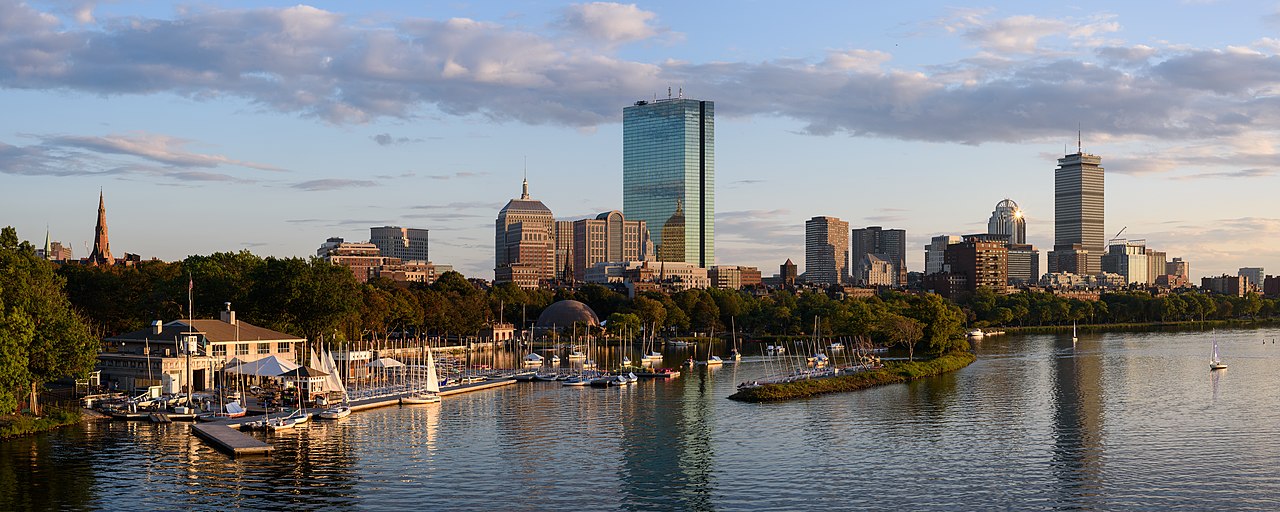
Suffolk County is a county located in the eastern part of Massachusetts. It contains the state capital and largest city, Boston, and several adjacent municipalities. As of a 2014 estimate the county population was 767,254. The county functions primarily as an urban jurisdiction within the Commonwealth.
Image gallery
10 Images




Geography and municipalities
Suffolk covers a compact area along Boston Harbor and the Neponset River. It is notable for a high population density and an urban landscape dominated by residential neighborhoods, commercial districts, and waterfront facilities. The county includes several distinct municipalities:
- Boston (the central city and largest municipality)
- Chelsea
- Revere
- Winthrop
History and government
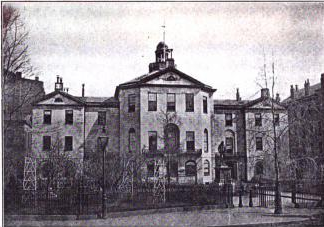
The county was created in the 17th century and takes its name from Suffolk in England; its origin dates to the early colonial period. Over time, many traditional county-level responsibilities in Massachusetts were reduced or transferred to state and municipal authorities, so local cities and the Commonwealth now carry out most everyday services. For a focused introduction to historical sources see county history.
Economy, culture, and transportation
Suffolk County is an economic and cultural hub. Its economy is driven by government, education, healthcare, finance, tourism, and professional services. The county contains major hospitals, universities, and cultural institutions, and serves as a regional center for arts and higher education. Logan International Airport and Boston Harbor are key transportation and maritime facilities serving the region.
Landmarks and significance
The county holds many well-known sites and institutions, including historic walking routes, public parks, sports venues, and museums. It plays a central role in the state's politics and economy: the county seat hosts state government offices, large business districts, and numerous historic neighborhoods that attract residents and visitors alike.
Related articles
Author
AlegsaOnline.com Suffolk County, Massachusetts Leandro Alegsa
URL: https://en.alegsaonline.com/art/94620