
Strip club (adult entertainment venue)
A commercial venue where performers give staged dances that involve removing clothing. Clubs vary by format, services and regulation and are governed by local laws, workplace rules and community debate.
Overview
A strip club is a commercial venue where entertainers perform choreographed or improvised dances that typically involve progressively removing layers of clothing as part of a live show. These establishments commonly combine a performance area with seating, lighting, music and an on-site bar that serves alcohol. Entry is restricted by legal age in most jurisdictions and clubs usually operate under specific licenses and local rules.
Image gallery
10 Images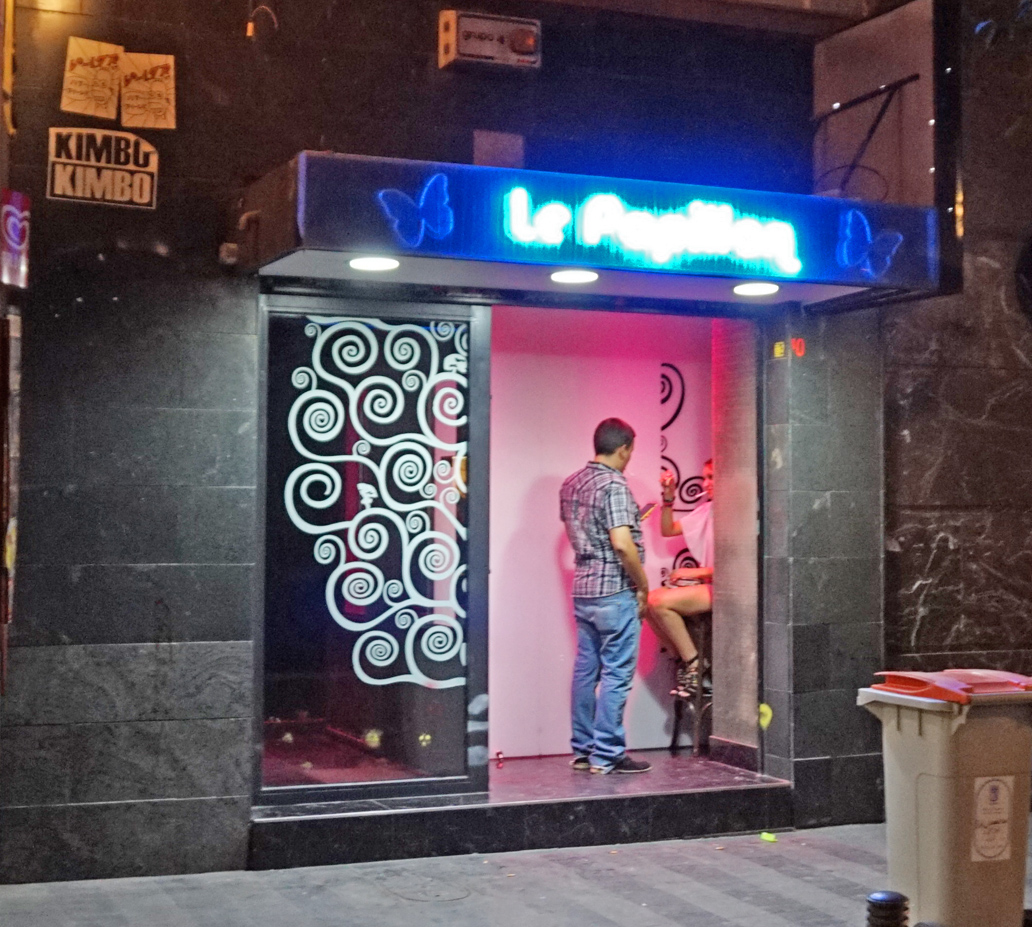


Layout and features
Many strip clubs share practical elements designed for both performance and business operations. A central stage or runway provides visibility; surrounding seating ranges from open tables to private booths and VIP sections. Backstage and dressing areas are provided for performers' needs. Security and door staff manage admission, enforce house policies and assist with safety concerns.
- Performance areas: main stage, side stages, or private rooms.
- Service elements: bar service, bottle service, table-side staff and tipping facilities.
- Support roles: DJs, lighting technicians, managers and security personnel.
Performers and services
Performers range from solo dancers presenting staged routines to entertainers who provide closer contact such as lap dancing or private dances. Whether such services are categorized as sex work depends on local law and the exact nature of the interaction; jurisdictions vary in how they define and regulate contact and commercial sexual services. Payment for performers typically includes cover charges, tips, and fees for private dances or reserved areas, reflecting local payment practices and club policies (payment practices).
Regulation and community rules
Local governments commonly regulate strip clubs through zoning, licensing, age restrictions and ordinances that may limit proximity to schools, parks or religious institutions. Some places impose rules on how close dancers may be to customers or specify minimum garments that must remain in place, sometimes referred to as minimum clothing rules. Clubs are subject to health, safety and labor laws as well as alcohol licensing and building codes; legal summaries and guidance are often provided by municipal authorities or industry regulators (legal summaries).
Health, safety and workplace issues
Worker safety and rights are common topics within the industry. Many venues adopt measures such as trained security staff, clear no-contact policies, surveillance in public areas, and procedures for reporting harassment or assault. Public-health considerations—for example the handling of alcohol service and measures to prevent exploitation—are also factors in how clubs are regulated and inspected.
Economics and social context
Strip clubs operate in diverse economic and cultural contexts. For some owners and performers the venues are a source of income and legitimate entertainment; for others the industry raises concerns about exploitation, crime, and community impact. Debates often reflect broader social views on gender, work and public morality. Different countries and cities adopt varied approaches, from permissive licensing to restrictions or bans.
History and international variation
Modern striptease and adult-performance venues evolved from burlesque and cabaret traditions of the 19th and early 20th centuries. Over time they have taken many forms, including topless bars, fully nude venues and gentleman's clubs that combine dining and entertainment. Attitudes and laws differ widely: some places regulate closely or restrict certain activities, while others permit a wide range of adult-entertainment formats. Notable policy examples include jurisdictions that have enacted bans or stricter rules for ideological or public-order reasons; such measures remain subjects of political and social debate.
Further information
For those seeking more detail on local rules, licensing and worker protections, official municipal resources and industry organizations provide guidance. General resources and directories can offer summaries of venue types and common practices for comparison across regions: dance and performance guides, legal summaries, alcohol licensing, local ordinances, service descriptions, sex work policy, payment practices, and industry listings at trade directories.
Related articles
Author
AlegsaOnline.com Strip club (adult entertainment venue) Leandro Alegsa
URL: https://en.alegsaonline.com/art/94296
Sources
- theguardian.com : "Iceland: the world's most feminist country"