
Subsidized housing: public support for affordable homes
Programs and policies that reduce housing costs for low- and moderate-income households through below-market rents, vouchers, construction incentives, or direct provision by public authorities.
Subsidized housing refers to a range of policies and programs designed to make homes affordable for people who cannot secure housing at prevailing market rates. Such arrangements commonly involve limits on rents or direct financial assistance so that tenants pay less than the full market price. Subsidized units may be managed by public agencies, non‑profit organizations, or private landlords under contract. Typical examples include below-market apartments and rent assistance schemes that ease access to flats and houses otherwise unaffordable on the free market.
Image gallery
2 Images
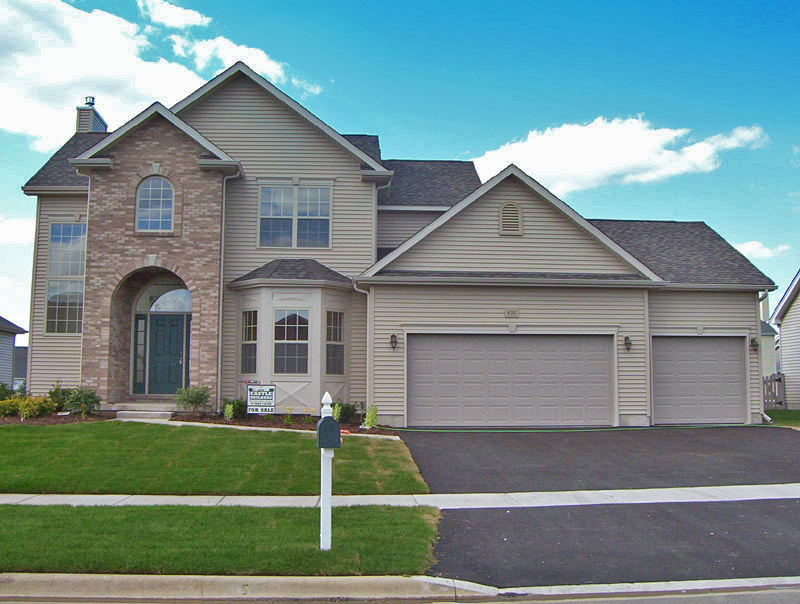
Common forms and characteristics
- Public housing: dwellings owned and operated by a government body for eligible households.
- Housing vouchers or rent subsidies: payments that cover part of a tenant's rent regardless of unit ownership.
- Subsidized new construction and tax incentives: support to build or renovate affordable units and encourage private developers to include them.
- Mixed-income and inclusionary housing: policies requiring or incentivizing affordable units within broader developments.
Most programs set eligibility criteria based on income, household size, disability status, veteran status, or other priorities. Administration and rules vary by jurisdiction: some places operate centralized waiting lists and means-tested allocation, while others distribute assistance through local authorities or partner organizations.
Historical context and development
Efforts to provide subsidized housing emerged as industrialization and urban growth created crowded, low-quality housing in many cities. Over time governments adopted a mix of direct construction, rent controls, and targeted subsidies. In recent decades policy debates have shifted between expanding supply through incentives and using market-based instruments such as vouchers to increase tenant choice.
Importance, benefits, and criticisms
Subsidized housing helps reduce homelessness, improve health and educational outcomes, and stabilise households facing economic shocks. It can support workforce mobility and neighbourhood diversity when well managed. Critics, however, point to challenges including inadequate funding, long waiting lists, concentration of poverty in some developments, maintenance backlogs, and occasionally social stigma. Debates continue about the balance between public provision and incentives for private-sector participation.
Because programs differ widely, understanding local rules and priorities is important for applicants and policymakers alike. Many administrations rely on a mix of subsidies, regulatory tools, and partnerships with non‑profits to expand affordable housing while seeking to avoid unintended consequences such as displacement. For further administrative or programmatic details consult official local resources or housing agencies administered by the government.
Questions and answers
Q: What is subsidized housing?
A: Subsidized housing is when the government creates housing opportunities for people who have difficulty finding a flat on the free market.
Q: What kind of housing is usually offered through subsidized housing?
A: Usually, subsidized housing offers flats as housing opportunities.
Q: What is the maximum rent for subsidized housing?
A: The maximum rent for subsidized housing is usually set by the government.
Q: Does the government pay part of the rent for subsidized housing?
A: Yes, very often the government pays part or all of the rent for subsidized housing.
Q: Are there any criteria that people need to meet to get subsidized housing?
A: Yes, people who get the apartments or flats through subsidized housing need to meet certain criteria.
Q: Why is subsidized housing important?
A: Subsidized housing is important because it helps people who have difficulty finding affordable housing on the free market.
Q: Who benefits from subsidized housing?
A: People who have trouble finding affordable housing on the free market benefit from subsidized housing.
Related articles
Author
AlegsaOnline.com Subsidized housing: public support for affordable homes Leandro Alegsa
URL: https://en.alegsaonline.com/art/94512