
Still Alice (2014 film)
Still Alice is a 2014 drama about a linguistics professor facing early-onset Alzheimer's. The film, adapted from Lisa Genova's novel, is noted for Julianne Moore's award-winning performance.
Overview
Still Alice is a 2014 drama film adapted from Lisa Genova's bestselling novel. Directed by Richard Glatzer and Wash Westmoreland, it tells the story of Alice Howland, a respected academic who receives a diagnosis that changes her life and relationships. The film combines intimate family drama with a clinical subject to explore identity, memory and communication.
Image gallery
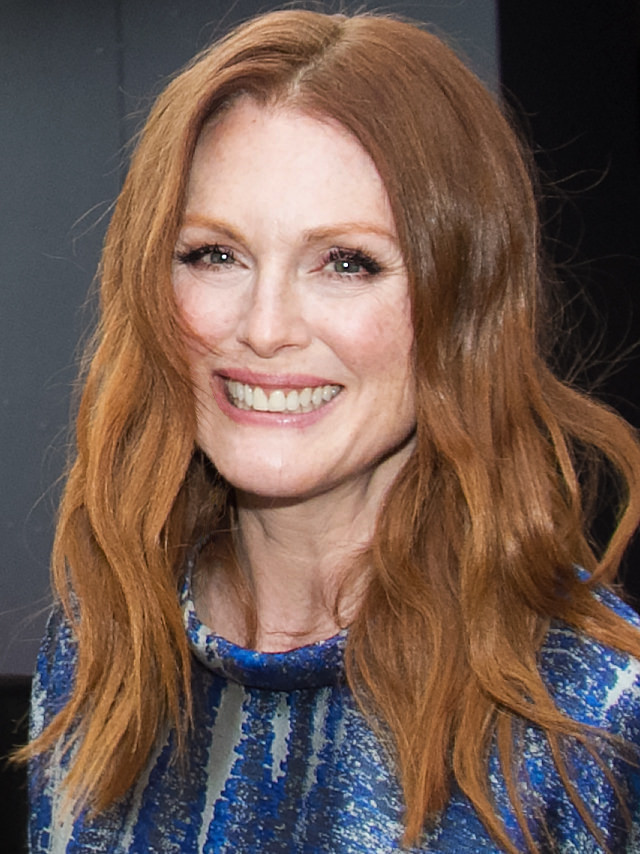
2 Images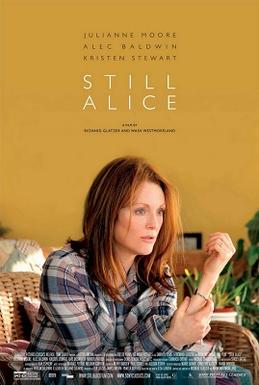
Plot and main characters
Alice Howland is a Harvard-affiliated linguistics professor whose early-onset Alzheimer's disease begins to erode the skills and memories that define her. The narrative follows her attempts to maintain dignity and connection while family roles shift and plans for the future are reconsidered. The central performance is by Julianne Moore, supported by a small ensemble that includes Kristen Stewart, Kate Bosworth and Alec Baldwin.
Principal cast
- Alice Howland — Julianne Moore
- Lydia — Kristen Stewart
- Anna — Kate Bosworth
- John — Alec Baldwin
Production and release
Produced as an independent drama, Still Alice emphasizes performance and character over spectacle. It received a limited theatrical release in the United States on December 5, 2014, before expanding in some markets; details of distribution and dates are summarized in many film databases and release histories (U.S. release information). The adaptation aims to stay faithful to the novel's focus on inner life and professional identity.
Reception and awards
Critics highlighted the film for its sensitive treatment of cognitive illness and for Moore's immersive portrayal. The lead performance earned major recognition, including an Academy Award for Best Actress, which Moore won for her role in the film (Academy Award). Reviewers often noted the balance between medical realism and emotional storytelling.
Themes and significance
Still Alice is frequently cited in conversations about how mainstream cinema represents dementia and caregiving. It uses the professional lens of a language scholar to examine how loss of words and memory affects identity, relationships and autonomy. The film has been used in educational and advocacy settings to prompt discussion about diagnosis, planning and the lived experience of cognitive decline.
For further reading and reference, consult dedicated film resources and the original novel, which provide deeper context on narrative choices and the depiction of neurological illness.
Film entry | Linguistics context | Medical overview | Genre and classification
Related articles
Author
AlegsaOnline.com Still Alice (2014 film) Leandro Alegsa
URL: https://en.alegsaonline.com/art/93932