
Stop-motion animation
Stop-motion is a frame-by-frame animation technique that makes physical objects appear to move. It includes clay, puppet, cutout and pixilation methods used in film, TV, advertising, and art.
Overview
Stop-motion is a form of animation in which real-world objects are photographed one frame at a time so that, when the frames are played in sequence, the objects appear to move on their own. The essential idea is simple: pose an object, take a single frame with a camera, change the pose slightly, and shoot again. Because it operates on physical materials rather than drawings, stop-motion gives a tactile, three-dimensional quality prized by filmmakers and artists.
Image gallery
8 Images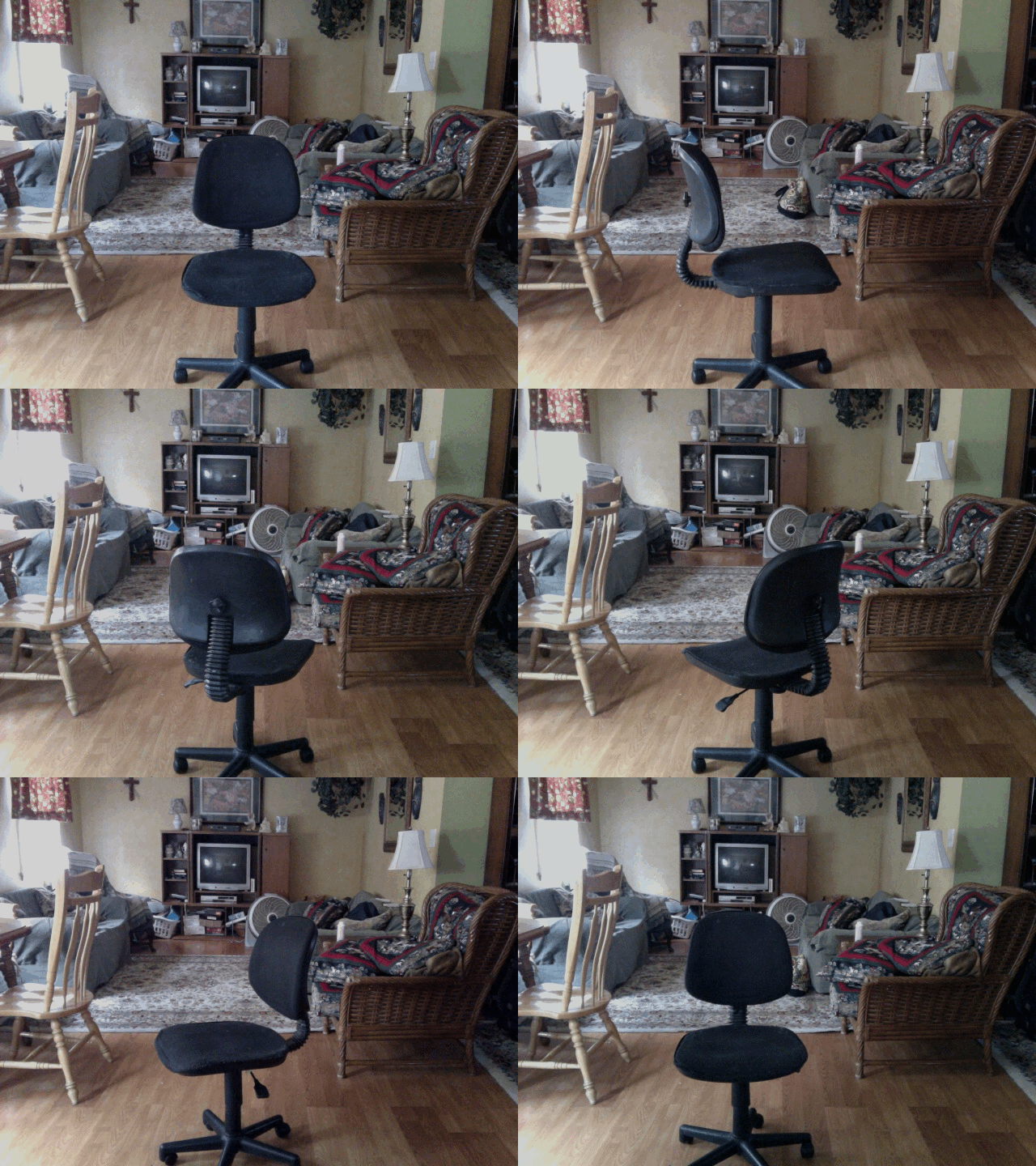




How it works
The basic workflow begins with planning and storyboarding, then constructing models, sets, and rigs. Animators move parts incrementally between exposures; each small change creates the illusion of continuous motion when the frames are played at standard frame rates. Modern practitioners often combine traditional frame‑by‑frame capture with digital tools: capture software, motion-control rigs, and postproduction compositing smooth motion and integrate visual effects.
Types and techniques
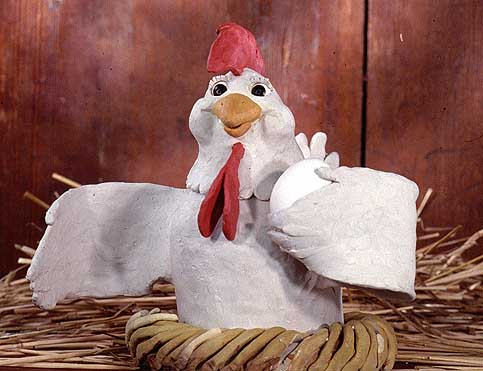
- Clay animation (or claymation): models are formed from malleable materials such as plasticine; shapes can be reshaped between frames. See clay animation for examples.
- Puppet animation: articulated figures with internal armatures are posed to create finer movement.
- Replacement animation: different pre-made parts (faces, hands) replace each frame to change expressions or gestures.
- Cutout animation: flat pieces of paper or card are moved in small increments; a traditional, economical approach.
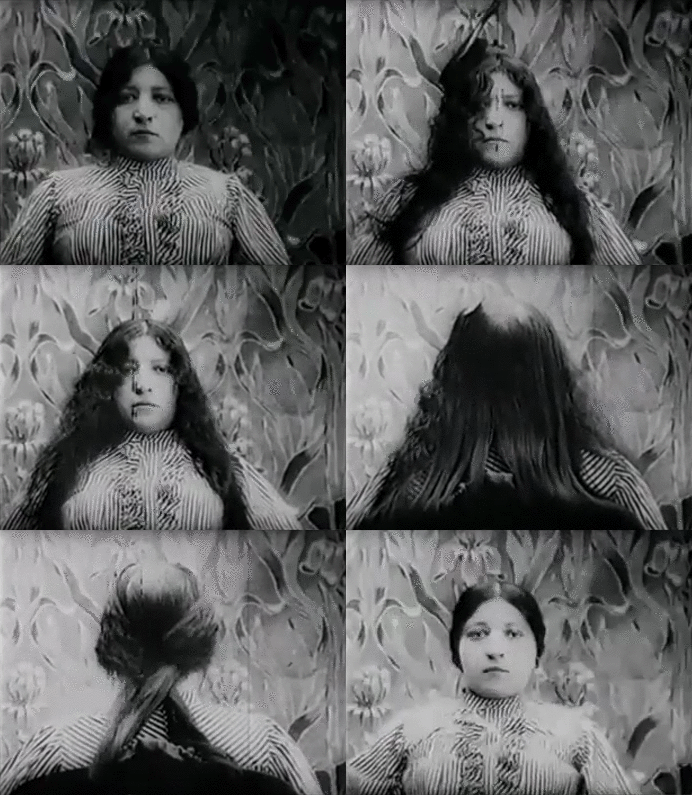
- Pixilation: live actors are posed and photographed like stop-motion puppets to achieve unnatural motion effects.
Each technique has trade-offs: clay and puppet methods offer depth and texture but are labor-intensive, while cutout and replacement methods can save time for specific types of movement.
History and development
Stop-motion emerged in the very early days of cinema when filmmakers experimented with tricks and optical effects. Throughout the twentieth century it evolved alongside technology: better cameras, lighting, and materials improved control and realism. In recent decades, digital capture and compositing have made it easier to correct mistakes and combine stop-motion with computer-generated imagery.
Uses, cultural impact, and notable practitioners
Stop-motion is used in feature films, shorts, television, commercials, music videos, and art installations. Its handmade aesthetic can convey whimsy, surrealism, or a tactile authenticity that differs from computer animation. Some artists and studios are closely associated with the form: Tim Burton has supported stop‑motion projects; Will Vinton helped popularize clay-based work in the United States; and Aardman is widely known for its character-driven British clay and puppet animation. These examples illustrate how stop-motion continues to be a living craft, adapted by independent creators and large studios alike.
While time-consuming and technically demanding, stop-motion remains valued for its visual personality and the artistic possibilities of animating real objects. Whether used for a short experimental piece or a full-length film, it emphasizes frame-by-frame patience, physical model-making skills, and inventive problem solving.
Related articles
Author
AlegsaOnline.com Stop-motion animation Leandro Alegsa
URL: https://en.alegsaonline.com/art/94076