
Stigmata: marks of crucifixion wounds in Christian tradition
Stigmata are bodily marks or wounds that correspond to the wounds of Christ's crucifixion. Reports span centuries; explanations include religious interpretation, psychosomatic conditions, or fraud.
Overview
Stigmata describes the appearance of marks, sores, or bleeding on a person's body that correspond to wounds associated with Jesus' crucifixion. The word derives from a Greek root meaning "mark" and has been used in Christian contexts to indicate a visible sign of identification with Christ's Passion. Accounts range from minor scabs to recurring bleeding lesions located where nails, thorns, or the lance struck in the Gospel narratives. For a basic definition see definition and usage.
Image gallery
9 Images



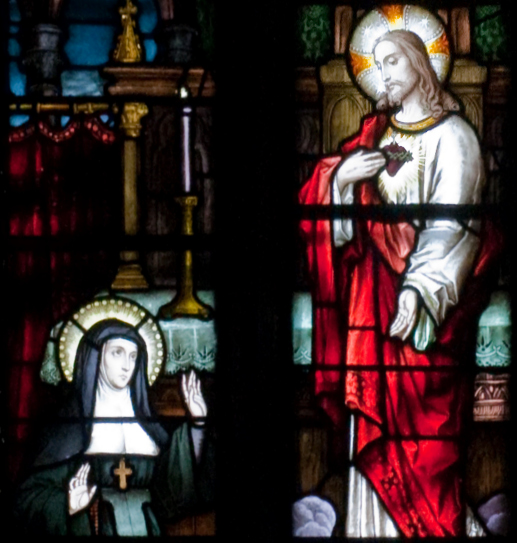
Typical characteristics
Reported stigmata most commonly appear on the hands and feet, and sometimes the side, forehead or back — locations tied to Gospel descriptions. Features commonly mentioned include persistent or recurrent bleeding, pain contemporaneous with the wounds, and in some reports, a smell or discoloration associated with the injury. Cases vary widely; some are visible open wounds, others are scars, and some are claimed to be "invisible" wounds experienced as pain without surface lesions. See related descriptions of the Gospel wounds here.
History and notable cases
Reports of stigmatic phenomena appear from the Middle Ages onward. One of the earliest and most influential examples is Saint Francis of Assisi, traditionally said to have received the marks in the early 13th century. Later figures associated with stigmata include Catherine of Siena, Therese Neumann, and the 20th-century friar Padre Pio. Different cases have drawn admiration, ecclesiastical inquiry, and skepticism in varying degrees. For more on historical figures see historical accounts and modern case studies here.
Interpretations and explanations
Within Christian belief, stigmata are often interpreted as signs of mystical union with Christ, divine favor, or participation in the redemptive suffering of Jesus. Medical and psychological researchers have offered alternative explanations, including self-inflicted wounds, dermatological disorders, factitious disorders, or psychogenic bleeding (conditions in which psychological stress leads to physical symptoms). Investigations into specific cases have sometimes been inconclusive; church authorities generally evaluate purported stigmatics carefully before making any supernatural claim.
Importance, controversies and distinctions
Stigmata occupy a contested place between devotion, medicine, and the study of religious experience. They have inspired devotional practices, artistic depictions, and theological reflection on suffering and sanctity. At the same time, allegations of fraud and the availability of natural explanations invite caution. It is important to distinguish authentic medical trauma from reported stigmatic phenomena, and to treat individual cases with clinical care and critical historical analysis. For attention to the physical aspect of the wounds, see discussion of nail wounds related topic.
Summary
Whether regarded as miraculous signs, psychosomatic manifestations, or deliberate fabrications, stigmata remain a noteworthy phenomenon in Christian history and culture. They continue to prompt questions about the relationship between belief, the body, and how extraordinary physical signs are interpreted across different communities.
Related articles
Author
AlegsaOnline.com Stigmata: marks of crucifixion wounds in Christian tradition Leandro Alegsa
URL: https://en.alegsaonline.com/art/93928