
Sunnah salat — Voluntary (Sunnah) prayers in Islam
Sunnah salat are voluntary prayers performed alongside the five daily prayers. They follow the Prophet’s practice, vary by type and emphasis, and are observed differently across legal schools and personal devotion.
Sunnah salat (also written "Sunnah prayers" or صلاة السنة) are voluntary ritual prayers performed by Muslims in addition to the five daily obligatory prayers. They are rooted in the example of the Prophet Muhammad and are practiced for additional spiritual benefit, habit formation, and reinforcement of the obligatory acts of worship. Observance varies by individual devotion and by legal tradition.
Image gallery
4 Images


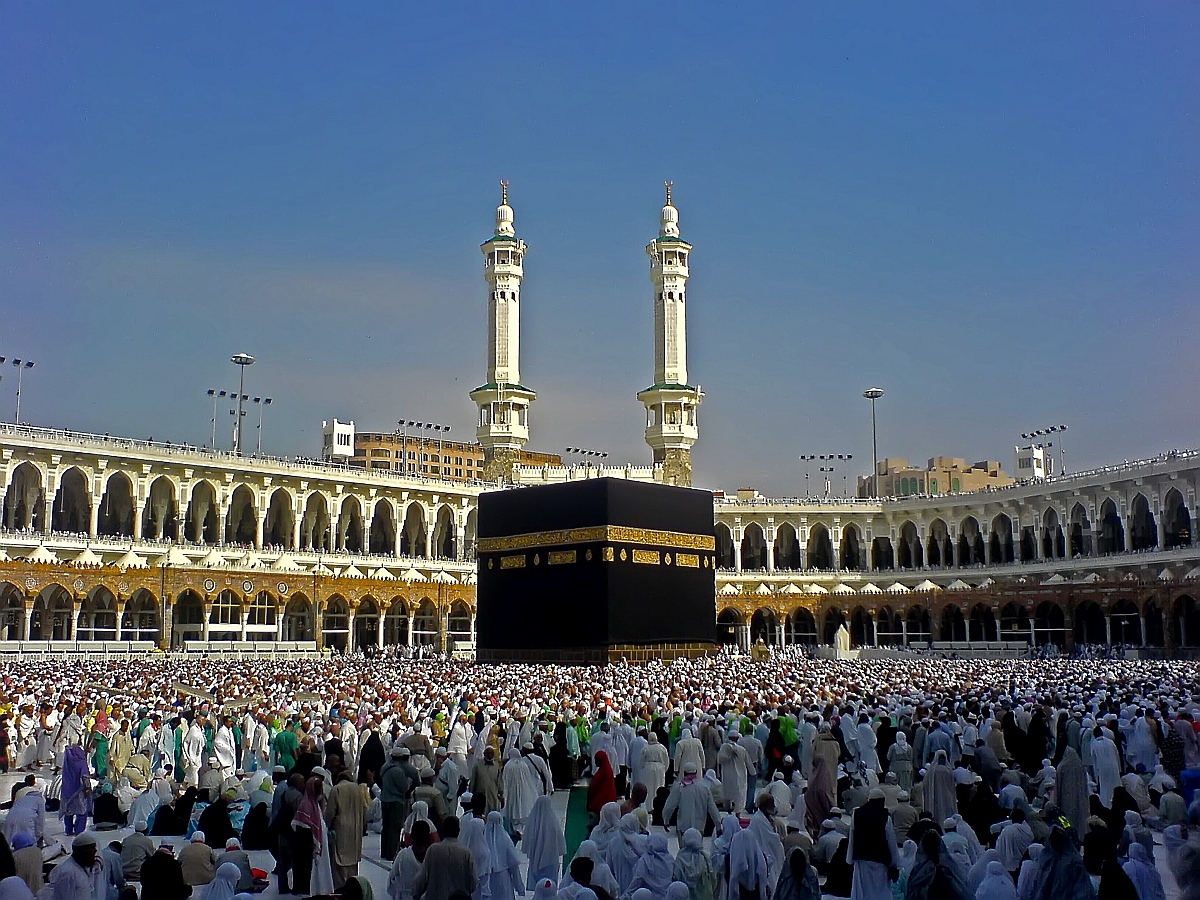
Purpose and characteristics
Sunnah prayers replicate additional units (rakʿahs) that the Prophet habitually performed and recommended. They are considered meritorious but not obligatory. Some are regularly performed and highly emphasized, while others are occasional or purely optional (nafl). The performance may be individual or in congregation and often complements the corresponding obligatory prayer.
Categories and common examples
- Sunnah muʾakkadah (emphasized Sunnah): practices the Prophet regularly observed and rarely omitted, such as the two rakʿahs before Fajr.
- Non-emphasized Sunnah: recommended but less consistently observed, such as certain units associated with Dhuhr or Isha in some schools.
- Nafl or voluntary prayers: additional devotions like Duha (forenoon prayer) and Tahajjud (late-night prayer).
Typical examples—counts vary by school—often cited include two rakʿahs before Fajr, two or four before Dhuhr and two after, two after Maghrib, and two after Isha. Witr, commonly prayed after Isha or at the end of night prayer, is treated as a strongly recommended odd-numbered prayer in many traditions.
Timing, etiquette and cautions
Sunnah prayers are generally offered at times when voluntary prayer is permitted, avoiding the three short forbidden times (after Fajr until sunrise, at zenith, and after Asr until sunset) observed in many jurisprudential opinions. They are intended to complement, not replace, obligatory prayers; scholars advise moderation and consistency.
Special nights and seasonal practice
During Ramadan, additional voluntary prayers commonly include Tarawih in congregation and increased night worship. Tahajjud and Witr are emphasized for late-night devotion. Practices and counts differ among communities, and one is encouraged to follow knowledgeable local guidance.
For further context and sources see further reading on Sunnah prayers.
Related articles
Author
AlegsaOnline.com Sunnah salat — Voluntary (Sunnah) prayers in Islam Leandro Alegsa
URL: https://en.alegsaonline.com/art/94907