
Sunday school: Christian religious education programs
Sunday school is a regular class held by many Christian churches to teach the Bible and religious beliefs to children and adults, often meeting before or after Sunday worship.
Overview
Sunday school is a form of religious instruction commonly offered by Christian congregations and communities. Sessions usually take place on Sundays, either before or after the main worship service, and focus on teaching the Bible, doctrine, morals, and aspects of communal faith. Some programs concentrate on children and youth, while others offer separate classes for adults or mixed-age groups. Many congregations treat Sunday school as both a learning and fellowship opportunity, linking formal teaching with informal conversation and community life.
Image gallery
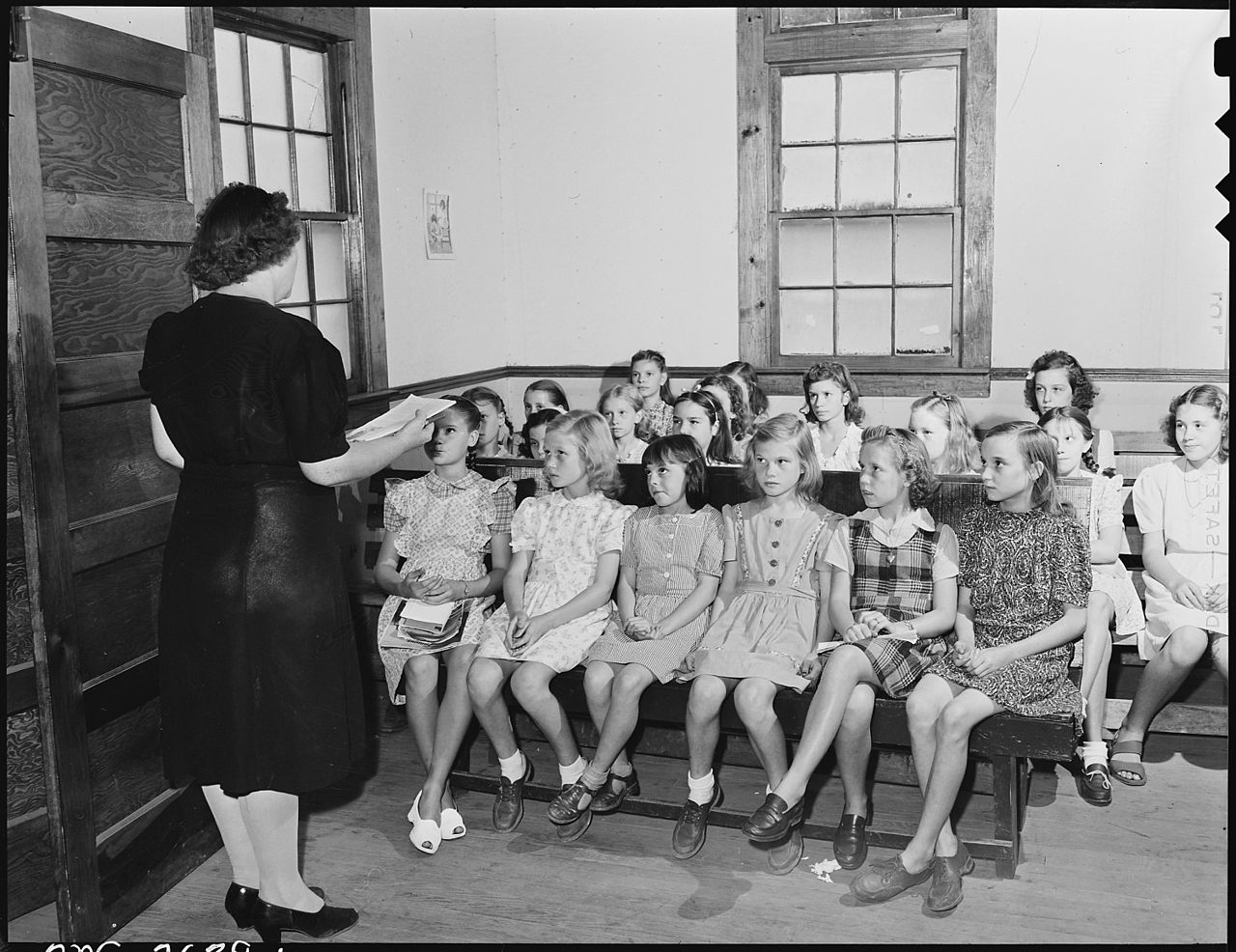
5 Images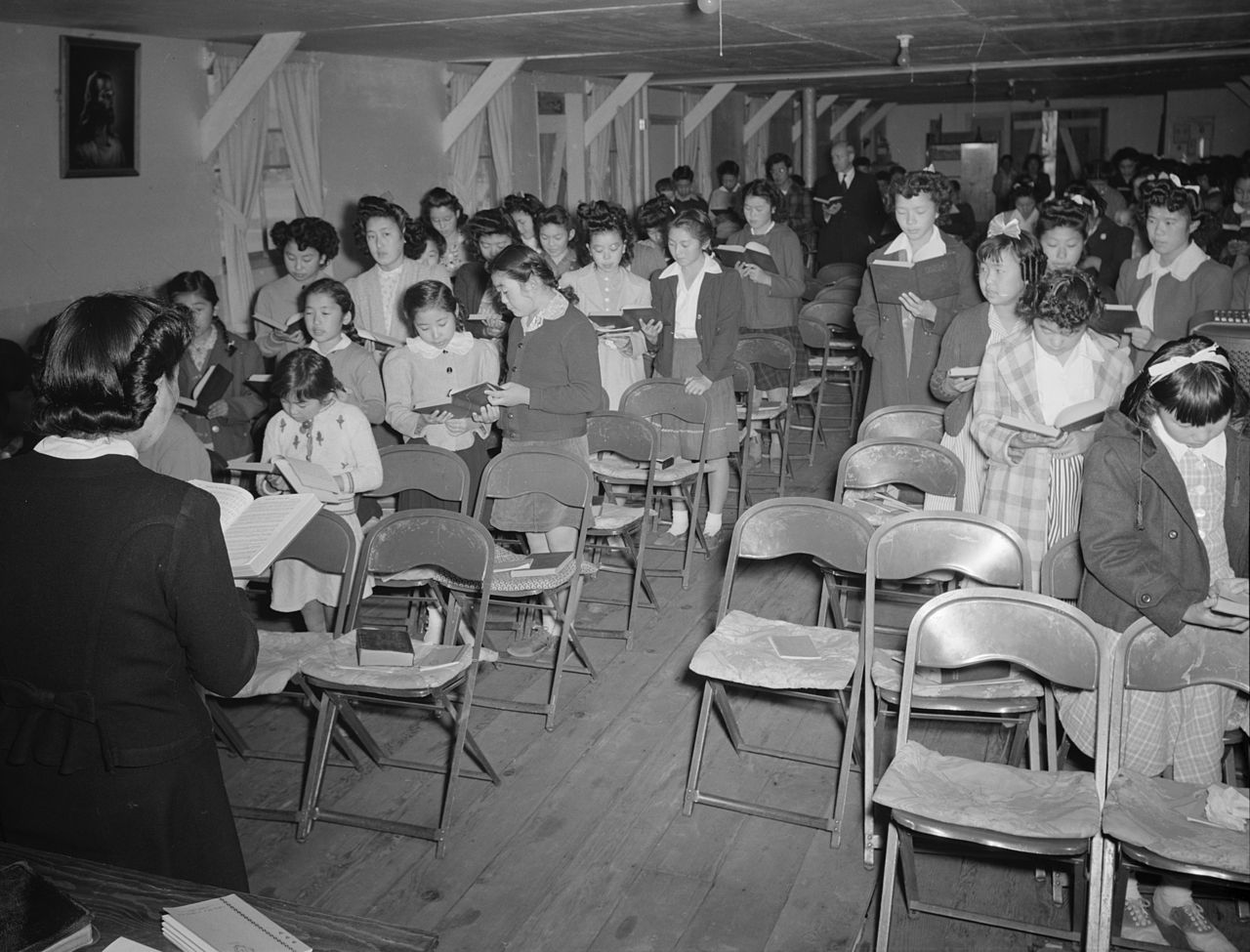


Structure and common elements
Formats vary widely by denomination and local practice, but typical components include a short opening, a lesson or discussion, memory work or catechism, and age-appropriate activities. Lessons may be led by volunteer teachers, clergy, or paid educators and are often supported by printed or digital curricula. Classes function as a companion to a congregation's worship life, educational mission, and pastoral care.
- Scheduling: Most meet on Sunday mornings; some congregations run evening or midweek alternatives.
- Age groups: Nursery, elementary, youth, and adult classes are common.
- Activities: Bible study, storytelling, songs, prayer, crafts, and service projects.
History and development
The Sunday school movement developed as a way to provide basic religious education and, historically, to teach reading and moral instruction to children who worked during the week. It expanded in the 18th and 19th centuries in the English-speaking world and later became widespread across many Christian traditions. Over time Sunday school evolved from a primarily literacy-oriented institution into a more diverse set of educational programs addressing theological formation, spiritual practices, and social learning.
Purpose, importance, and modern trends
At its core, Sunday school aims to transmit religious narratives, values, and communal identity. It supports faith formation for young people, offers continuing education for adults, and helps integrate new members into congregational life. In recent decades many churches have adapted Sunday school to contemporary needs—developing multimedia lessons, online classes, family-based models, and shorter lesson formats—to reach people with different schedules and learning preferences.
Typical lesson styles include teacher-led discussions, small-group work, interactive activities for children, and lecture-plus-question formats for adults. Some congregations emphasize denominational catechesis or doctrinal instruction; others prioritize Bible exploration, ethical reflection, or social service projects.
Variations and notable distinctions
Approaches differ by tradition: some denominations use highly structured curricula and formal catechisms, while others prefer informal, discussion-centered study. Terminology also varies—terms such as "Sunday school," "Christian education," "faith formation," or "catechesis" may be used interchangeably depending on context. Schools that meet on days other than Sunday or that focus on adults only may be labeled differently, even when serving similar educational goals.
For further information or resources, see links to program descriptions and curriculum guides: program formats, church and community roles, scheduling practices, Bible study resources, and children's ministry.
Questions and answers
Q: What is Sunday School?
A: Sunday School is a type of schooling typically offered by churches or Christian communities on Sundays.
Q: When are Sunday School classes typically held?
A: Sunday School classes are usually held before or after the main worship service on Sundays.
Q: What is the purpose of Sunday School?
A: The purpose of Sunday School is to learn more about the teachings of a specific church or Christian community, as well as about the Bible.
Q: Who can attend Sunday School classes?
A: Sunday School classes can be attended by both adults and children, although sometimes there are separate classes for each.
Q: What are some topics that might be covered in Sunday School classes?
A: Topics covered in Sunday School classes may include teachings specific to the church or community, as well as Bible stories and lessons.
Q: Are Sunday School classes mandatory?
A: Attendance at Sunday School classes is generally not mandatory, but it may be encouraged or recommended.
Q: Is Sunday School only available at churches?
A: Yes, Sunday School is typically only offered by churches or other Christian communities.
Related articles
Author
AlegsaOnline.com Sunday school: Christian religious education programs Leandro Alegsa
URL: https://en.alegsaonline.com/art/94883