
Stheno — one of the three Gorgon sisters in Greek mythology
Stheno, a Gorgon of Greek myth, is famed for her ferocity and immortality. Sister to Euryale and Medusa, she appears in ancient poetry and art as a protective and fearsome figure with serpentine hair and wings.
Stheno is one of the three Gorgon sisters of Greek mythology, traditionally paired with her siblings the Gorgons and specifically named alongside Medusa and Euryale. Ancient sources present Stheno as an immortal monster noted for extreme strength and a savage temper. While Medusa is the best-known sister because she alone is mortal and is central to the Perseus narrative, Stheno figures in the background of the same mythic family.
Image gallery
3 Images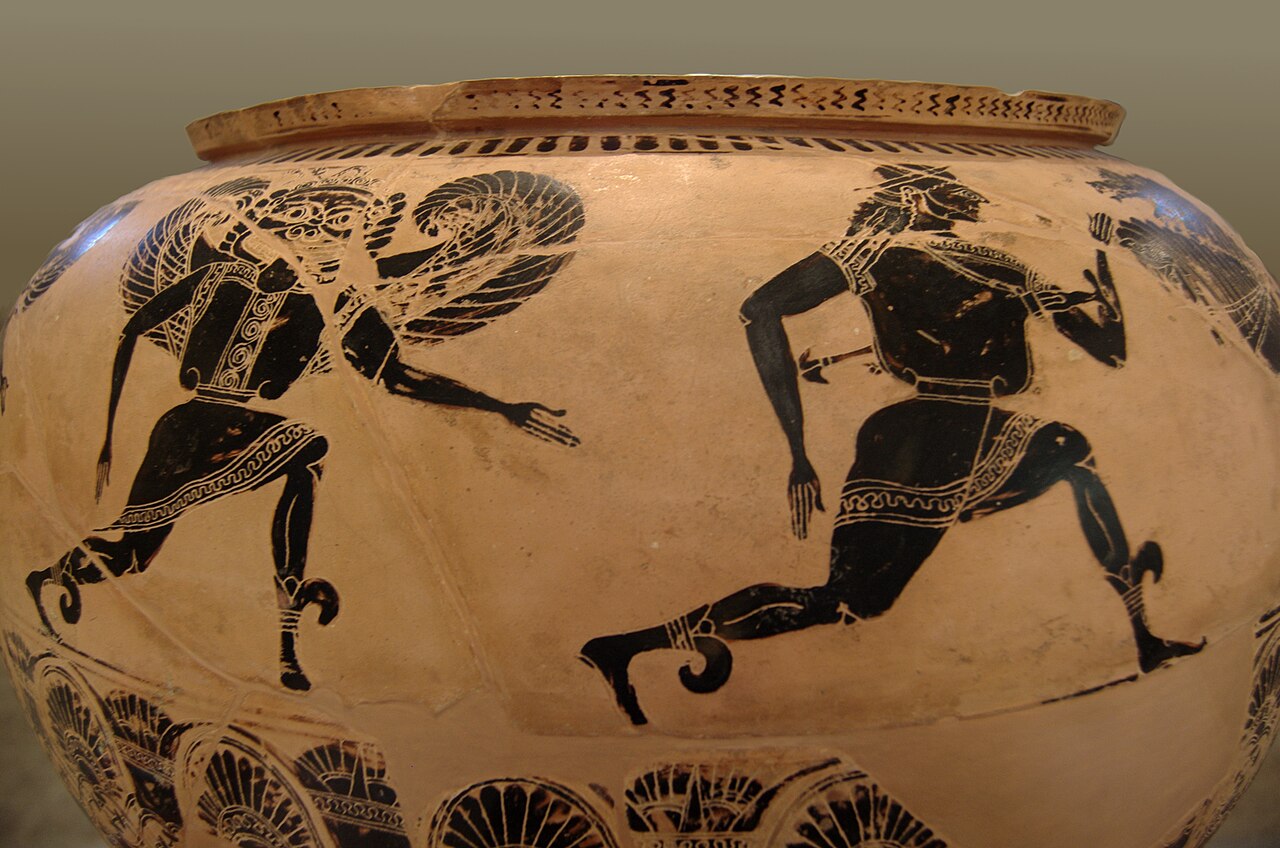


Origins and family
Classical genealogies make Stheno a daughter of the sea deities Phorcys and Ceto, a pair associated with many older monstrous figures in Greek thought. References to the Gorgons appear in early epic and Hesiodic traditions, where the sisters occupy a liminal place between divinity and beast: powerful, frightening, and linked to the dangerous margins of the world.
Appearance and attributes
Stheno is commonly described as grotesque and formidable. Classical descriptions and later artistic conventions emphasize her hybrid, animal features. In various accounts she is shown with:
- Serpents for hair or intertwined with her hair (snake imagery is central to Gorgon iconography)
- Wings that enable a swift, uncanny presence
- Powerful limbs and fierce facial features; some traditions and artistic depictions give her metallic or brazen arms
Unlike Medusa, whose gaze can turn onlookers to stone, the terrifying stare is chiefly associated with Medusa in most stories; still, Stheno shares the general reputation of the Gorgons as agents of petrifying horror in mythic imagination (petrification motifs recur in the literature).
Role in myth and cultural importance
Stheno herself does not have an extensive series of independent myths. She is best understood as part of the Gorgon triad whose presence in myth emphasizes danger, otherness, and female monstrosity. The Gorgoneion — a stylized Gorgon face used as an apotropaic device — borrowed visual elements associated with Stheno and her sisters and appeared on shields, architecture, and protective amulets throughout the Greek and Roman worlds.
Distinctions and legacy
Key distinctions among the sisters are their fates: Stheno and Euryale are typically described as immortal, while Medusa is mortal and slain by Perseus. Modern treatments of Greek myth often focus on Medusa, but specialists note that Stheno represents the archetypal ferocity of the Gorgons and serves an important role in understanding ancient attitudes toward monsters, protection, and the boundary between human and inhuman. For further reading on the Gorgons, their iconography and family, see general treatments of Gorgons and articles on Medusa, snake symbolism (snake), and the sea-deity parents Phorcys and Ceto.
Related articles
Author
AlegsaOnline.com Stheno — one of the three Gorgon sisters in Greek mythology Leandro Alegsa
URL: https://en.alegsaonline.com/art/93905