
Stories or Tales from Past Times — Charles Perrault's Fairy Tale Collection
A concise overview of Charles Perrault's 1697 collection Stories or Tales from Past Times (Mother Goose's Tales), its contents, themes, publication history and cultural influence.
Overview
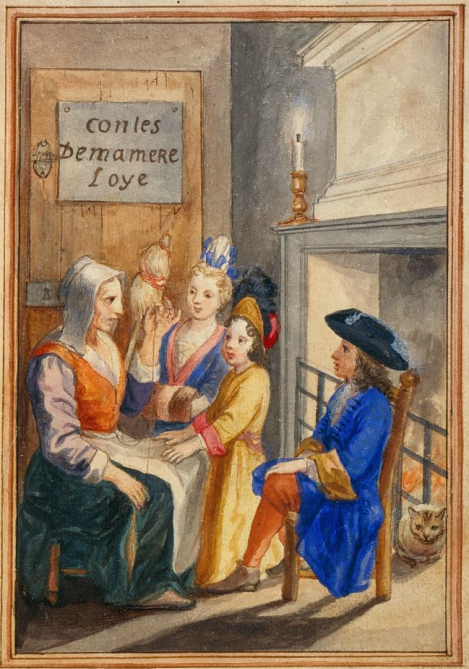
Stories or Tales from Past Times, published in Paris in 1697, is the best-known collection of fairy tales by Charles Perrault. The work appeared under the French title Histoires ou contes du temps passé, often marketed as Contes de ma mère l'Oye (Mother Goose's Tales). Perrault—an influential literary figure and member of the Académie Française—assembled stories that mixed courtly refinement with motifs from oral tradition and earlier written sources. The original edition was printed by Claude Barbin and helped shape the modern idea of the literary fairy tale; later editions added several verse tales to the volume.
Image gallery
10 Images


Contents and notable tales
The core collection contains eight prose tales that quickly entered European popular culture. Perrault's version of these narratives emphasized character, plot economy and often a closing moral. The principal stories include:
- "The Sleeping Beauty in the Wood"
- "Little Red Riding Hood"
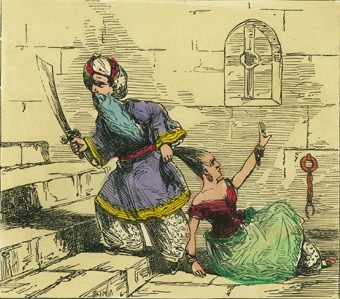
- "Bluebeard", a dark tale about curiosity and secret chambers
- "Puss in Boots"
- "Diamonds and Toads" (sometimes translated under other names)
- "Cinderella"
- "Rickey with the Tuft" (also known as Riquet à la Houppe)
- "Hop o' My Thumb" (also called Le Petit Poucet)
Style, themes and features
Perrault's tales are notable for their clear, urbane prose and the frequent addition of an explicit moral at the end of each story. Themes include transformation, social mobility, danger hidden behind charm, and the testing of virtue. Perrault often adapted traditional motifs to reflect contemporary taste: elegant speech, witty observations on manners, and concise plotting suited to the salons of late 17th-century France. His framing of these stories helped move certain folk narratives from oral performance into the realm of literary entertainment for both children and adults.
Publication history and additions
After the initial 1697 publication, Perrault appended three verse tales in later editions: "Griselda," "The Silly Wishes," and "Donkeyskin." He and his publisher issued multiple printings, and the title "Mother Goose" became attached to the cycle in subsequent editions, reinforcing the association with nursery storytelling. Perrault's name and texts spread rapidly through translations and reprints across Europe, making these versions authoritative for many readers and adaptors.
Influence and legacy
Perrault's collection influenced later collectors, adaptors and the wider cultural imagination. His retellings fed into pantomime, ballet, opera, illustrated children’s books and, much later, film and television adaptations. While other collectors such as the Brothers Grimm gathered different versions from oral tradition, Perrault's literary shaping established familiar plot lines and character types—the wicked stepmother, the clever animal helper, the sleeping princess—that remain central to popular retellings. Scholars continue to study the collection for its interplay of folklore, literary craft and the social values of its era.
For readers seeking editions and scholarly commentary, look for annotated translations and critical studies that compare Perrault's texts with earlier sources and later variants. Perrault's 1697 book remains a cornerstone of Western fairy-tale literature and an enduring point of reference for the genre. See also the author page at Charles Perrault and editions bearing the French title Histoires ou contes du temps passé for further reading.
Related articles
Author
AlegsaOnline.com Stories or Tales from Past Times — Charles Perrault's Fairy Tale Collection Leandro Alegsa
URL: https://en.alegsaonline.com/art/94096