
Steven Hilliard Stern: Canadian‑born American television and film director
Profile of Steven Hilliard Stern (1937–2018), a Canadian‑born American director, producer and screenwriter known for television movies, miniseries and collaborations with major actors.
Steven Hilliard Stern (November 1, 1937 – June 27, 2018) was a Canadian‑born American director, producer and screenwriter best known for his long career in television movies and miniseries. Born in Timmins, Ontario, he worked across genres—drama, thriller and family entertainment—and became a familiar name in made‑for‑TV productions in North America. For a concise overview of his life and career see biographical summary.
Image gallery
1 Image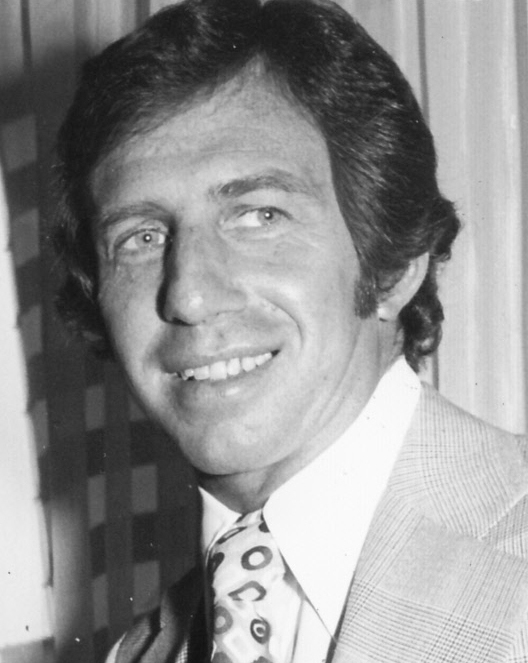
Early life and entry into film and television
Stern grew up in Ontario and later moved to the United States, where he established himself in television production. Details of his formative years and early credits are documented in several filmographies and interviews; further context about his origins is available at background resources. He transitioned from smaller projects into higher‑profile television assignments over the course of the 1970s and 1980s.
Career highlights and notable works
Stern directed a steady stream of TV movies and episodic television, often adapting contemporary themes for a broadcast audience. Among his better known feature and TV film credits are:
- The Devil and Max Devlin — a studio feature that reached family audiences.
- Mazes and Monsters — a television drama inspired by role‑playing culture.
- Money — a project that explored personal and financial conflict.
- Black Fox — a widely broadcast miniseries that expanded his reputation for long‑form television drama.
He worked with prominent performers during his career; records note collaborations with Michael Douglas, Christopher Reeve and Christopher Plummer, among others. Additional production notes and cast lists can be found at specialized film databases.
Style, themes and professional approach
Stern’s work is characterized by a pragmatic approach to storytelling that suited television schedules and budgets. He directed both standalone films and serialized stories, balancing character focus with accessible pacing. Critics and collaborators have commented on his ability to work efficiently with actors and crews; interviews and contemporary coverage are preserved in industry archives and obituaries.
Legacy and final years
By the time of his death, Stern had left a body of work spanning decades of television production. He died in Los Angeles on June 27, 2018, after a battle with stomach cancer; local notices reported his passing in Los Angeles, California. Stern is remembered for his contributions to TV storytelling and for helping bring a number of televised narratives to broad audiences.
Related articles
Author
AlegsaOnline.com Steven Hilliard Stern: Canadian‑born American television and film director Leandro Alegsa
URL: https://en.alegsaonline.com/art/93874
Sources
- nytimes.com : "TV: 'MAZES AND MONSTERS,' FANTASY"
- hollywoodreporter.com : Steven Hilliard Stern, Director of 'The Devil and Max Devlin,' Dies at 80