
Stern (ship)
The stern is the rear section of a vessel, its structure, historical roles, steering elements and modern variations; includes design types, naval significance, and common features.
The stern is the rearmost portion of a ship or boat, forming the hull’s aft end and defining how a vessel moves through and interacts with the water behind it. As both a structural element and a functional area, the stern supports steering gear, propulsive components and accommodation spaces, and it often carries identification and lighting used for navigation and signaling.
Image gallery
10 Images




Structure and common components
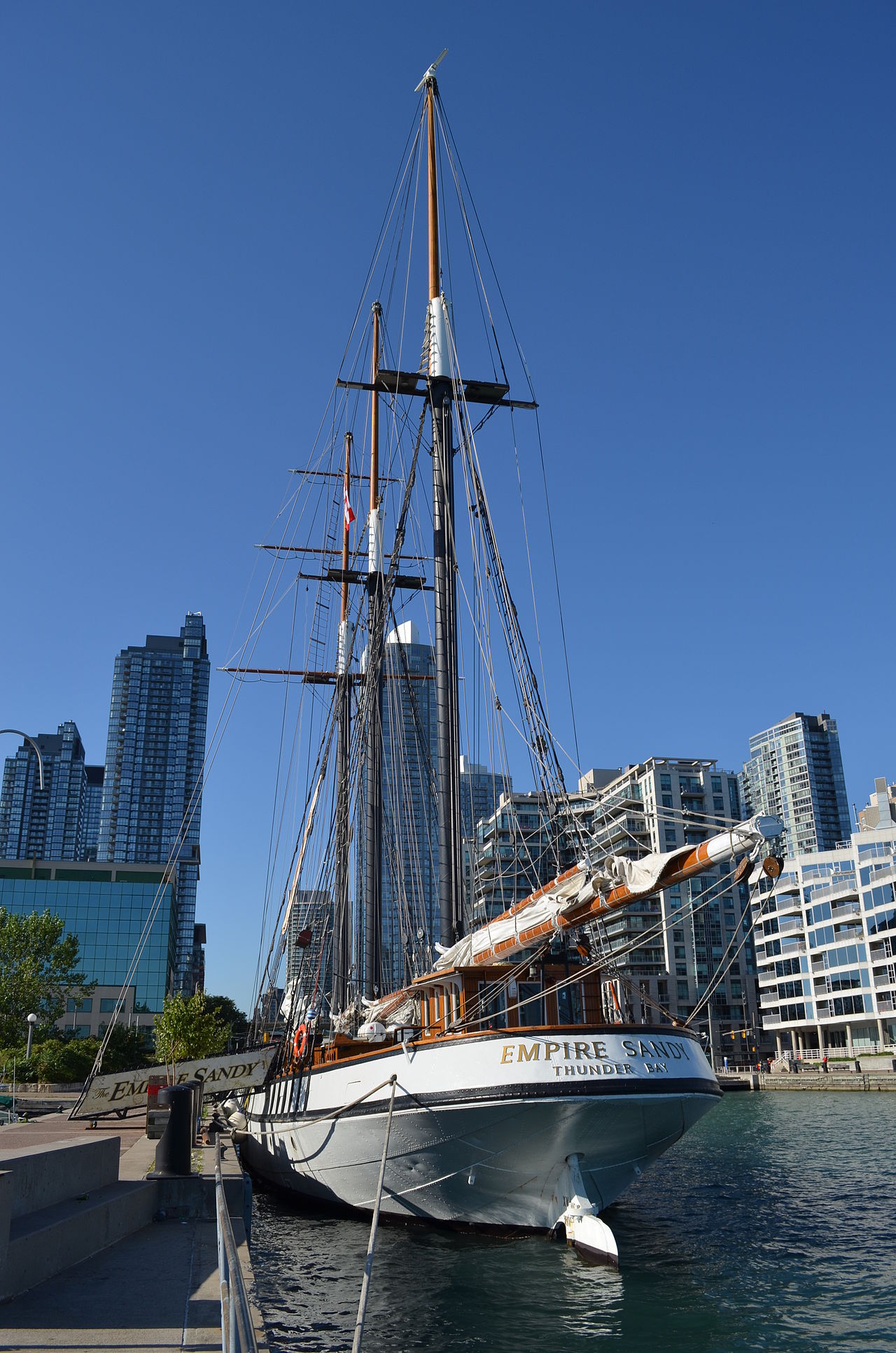
Key elements associated with the stern include the sternpost or transom that closes the hull, the rudder and its stock which provide directional control, and in powered boats the propeller(s) that deliver thrust. Historically and today, the stern may house the poop deck, quarter decks or an aft cabin and can include a swim platform or boarding ladder on recreational craft. Typical features are:
- Steering gear: rudder assembly and connections to the tiller or wheel; see rudder and ship's wheel.
- Aft accommodation: officers’ quarters, cabins and access ways.
- Navigation fittings: stern light, ensign or flag and sometimes lanterns for identification (lanterns).
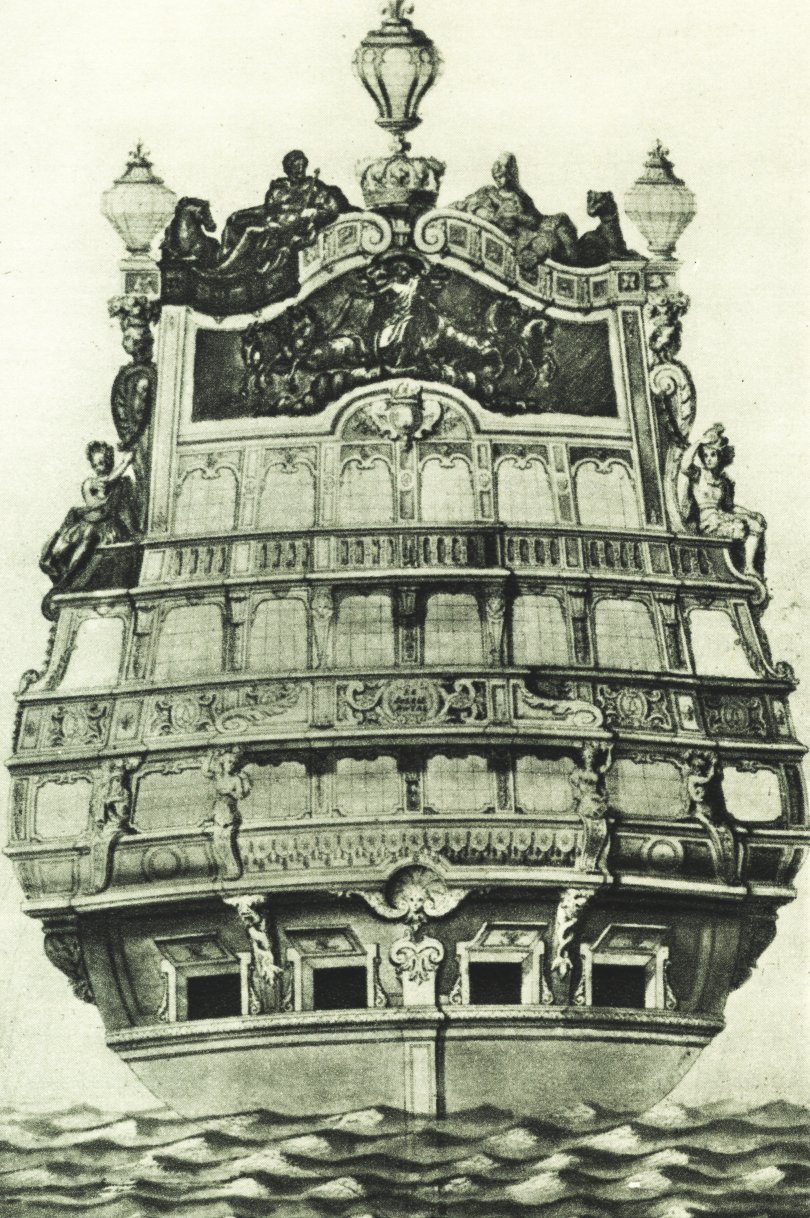
- Decorative and structural components: galleries, windows and ornamentation on traditional vessels (galleries).
Historical role and symbolism
In earlier periods of sailing, the stern was not only a functional part of a vessel but also a sign of rank and prestige. Officers’ cabins and the captain’s state cabin tended to be aft, which associated the stern with command and control of the ship—hence its link to the captain and senior officers. On large square‑rigged ships, the stern was often elaborately carved and fitted with rows of windows, a stern gallery and lanterns that served both practical and representational roles.
Naval tactics and vulnerability
Because the stern concentrates steering gear and valuable accommodation, it has long been a tactical target in combat. A successful attack that delivered fire along the length of an enemy vessel from aft—called a "stern rake"—could disable steering and cause catastrophic damage. For that reason, protecting the rudder and sternpost has been an important concern in warship design.
Modern types and design variations
Contemporary vessels employ a range of stern forms chosen for hydrodynamic efficiency, seakeeping, cargo handling or recreational use. Common types include the transom stern (flat aft surface), cruiser or elliptical stern (rounded, offering smoother flow), canoe stern (tapered, improving following-sea handling) and reverse transom (steeply raked, frequent on modern yachts). These choices affect wake, maneuverability and how propulsive and steering machinery are installed.
Uses, identifiers and notable facts
Beyond structure and shelter, the stern serves several practical roles: mounting national flags and the vessel’s name, placing registration marks, providing access for boarding and launching tenders, and carrying navigational lights required by rules of the road. In small craft the stern is often where outboard motors are attached; on larger ships it is where shafts, rudders and steering gear are housed. The stern remains a distinctive part of a vessel’s silhouette and a focus of both tradition and ongoing naval architecture development.
Author
AlegsaOnline.com Stern (ship) Leandro Alegsa
URL: https://en.alegsaonline.com/art/93810