
Ancel Keys (1904–2004) — American nutrition scientist and diet‑heart researcher
Ancel Keys was an American physiologist and nutrition researcher. He led the Minnesota Starvation Experiment and the Seven Countries Study, and promoted links between dietary saturated fat, cholesterol, and heart disease.
Ancel Benjamin Keys (January 26, 1904 – November 20, 2004) was an American physiologist and nutrition scientist whose research shaped mid‑20th century thinking about diet, cholesterol and heart disease. He is best known for directing the Minnesota Starvation Experiment during World War II and for designing and leading the long‑term Seven Countries Study, which sought relationships between dietary patterns—especially saturated fat intake—blood cholesterol and rates of coronary heart disease. He remained a prominent and sometimes controversial figure in public health until his death at age 100.
Image gallery
3 Images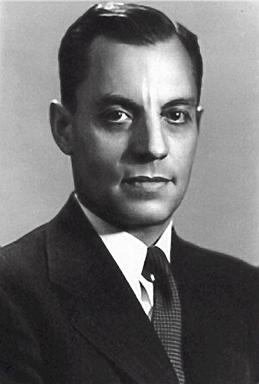


Early career and landmark trials
Keys trained in physiology and held a long appointment at the University of Minnesota. During World War II he led the Minnesota Starvation Experiment (1944–45), a controlled study of the effects of semistarvation and refeeding on previously healthy men. That work produced influential clinical insights into the metabolic and psychological consequences of prolonged food shortage and informed postwar rehabilitation practices.
Seven Countries Study and the diet–heart hypothesis
Beginning in the late 1950s Keys organized the Seven Countries Study, a multi‑nation observational project that compared dietary habits, serum cholesterol and cardiovascular outcomes across populations in Europe, North America and Japan. From these and other data he advanced a hypothesis linking higher consumption of saturated fats to raised blood cholesterol and increased risk of coronary heart disease. His work influenced dietary recommendations and public health messaging that emphasized lowering saturated fat to reduce heart disease risk.
Contributions and notable findings
- Documented metabolic effects of prolonged calorie restriction and refeeding in humans.
- Helped standardize methods for dietary surveys and biochemical measurement of cholesterol.
- Popularized Mediterranean dietary patterns, drawing attention to plant foods, fish and olive oil as associated with lower cardiovascular risk.
Criticism and scientific debate
Keys's conclusions provoked sustained debate. Critics questioned aspects of study design and interpretation—especially selection of populations and the influence of confounding factors—sometimes accusing him of cherry‑picking data. Other scientists argued that refined carbohydrates and added sugars also contribute to cardiometabolic diseases; the British physiologist John Yudkin was an outspoken proponent of sugar's role, and Keys publicly criticized Yudkin's evidence and interpretations. The controversy contributed to a long‑running reassessment of how different macronutrients affect heart disease, a subject still under active study.
Legacy and contemporary view
Keys's work left a durable mark on nutritional science and public policy. His studies brought attention to cholesterol as a cardiovascular risk factor and to population differences in diet and disease. Over decades, nutritional research has refined and complicated his original claims—recognizing roles for food quality, types of fats, sugars and overall dietary patterns—yet many public health bodies still recommend limiting saturated fat intake. Keys remained a figure of both respect for experimental rigor and debate for his interpretive choices until his death; he appeared on the cover of Time magazine in 1961 as a symbol of the era's focus on diet and disease.
For a balanced understanding of Keys's contributions, readers may consult contemporary reviews of the Seven Countries Study, critiques addressing methodological issues, and modern meta‑analyses that assess dietary fats and carbohydrates in relation to heart disease risk. Debates about sugar and other dietary components remain part of the broader conversation that Keys helped to catalyze.
Tags
Related articles
Author
AlegsaOnline.com Ancel Keys (1904–2004) — American nutrition scientist and diet‑heart researcher Leandro Alegsa
URL: https://en.alegsaonline.com/art/3815