
Stapleton International Airport — Denver's former primary airport (1929–1995)
Former primary airport for Denver, Colorado (1929–1995). Once a major regional hub, closed and replaced by Denver International; site redeveloped into a mixed-use neighborhood.
Overview
Stapleton International Airport served as the principal civil aviation facility for the city of Denver, Colorado, from its opening in 1929 until its closure in 1995. During its operational life it handled scheduled passenger service, cargo flights, and general aviation, evolving from a modest municipal field into a busy metropolitan airport that linked the Rocky Mountain region to national and international routes.
Image gallery
10 Images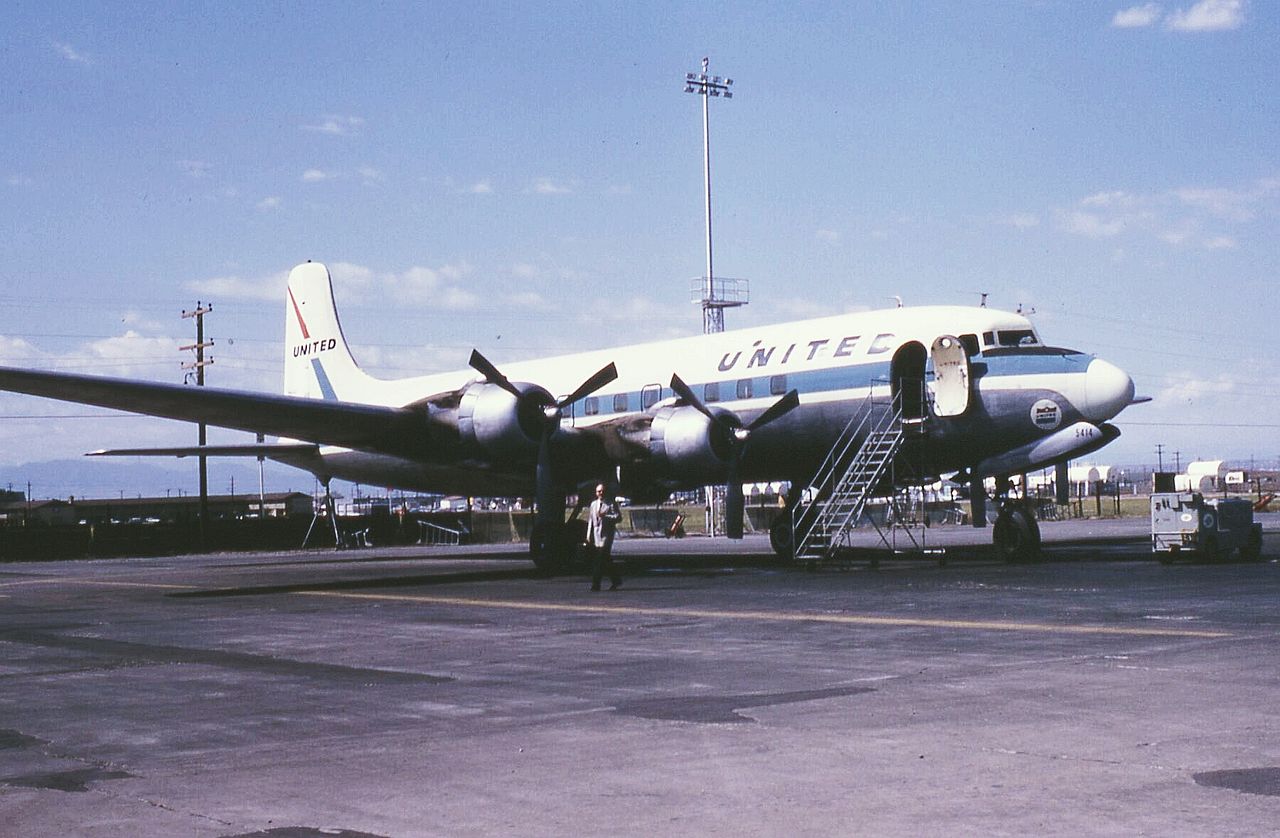



Characteristics and operations
The airport expanded in stages over decades, adding passenger terminals, concourses and multiple runways to accommodate growing traffic. Its terminal complex and airfield reflected mid‑20th century design trends and the needs of both legacy carriers and low‑cost entrants. Stapleton functioned as an operational hub with facilities for maintenance, cargo handling and airline lounges, while ground access connected it to the city by road and local transit.
History and replacement
Stapleton's growth in the jet age brought capacity, noise and safety concerns as aircraft and passenger volumes increased. Limitations of the site — constrained expansion room, runway configuration and proximity to residential neighborhoods — led civic leaders to plan a replacement. In 1995 Stapleton was retired and commercial airline operations moved to a new facility, Denver International Airport, designed for larger traffic volumes and future expansion.
Airlines and role in aviation
Throughout its history Stapleton served as a hub or focus city for a number of carriers including Continental Airlines, United Airlines, Frontier Airlines, People Express, TWA and Western Airlines. Its mix of legacy and newer carriers reflected shifts in the U.S. airline industry from regulated networks to deregulation and hub‑and‑spoke routing.
Redevelopment and legacy
After decommissioning the airfield and terminal areas were redeveloped into a mixed‑use neighborhood with housing, parks, retail and commercial spaces. The former airport site became a case study in large‑scale urban redevelopment, converting runways and service areas into residential lots, public amenities and street grids. The redevelopment community was commonly called Stapleton and was subsequently renamed in response to historical associations.
Notable facts and distinctions
- Stapleton was a primary gateway for Denver for much of the 20th century and played a central role in regional economic development.
- Its replacement by a new airport was driven by capacity limits and long‑term planning for aviation demand.
- Former runways and facilities were repurposed into a planned neighborhood, illustrating adaptive reuse of large transportation sites.
For further historical summaries and detailed timelines, see resources on local aviation history and municipal planning archives available through city and aviation organizations.
City of Denver • Colorado aviation • Continental Airlines history • United Airlines history • Denver International Airport
Related articles
Author
AlegsaOnline.com Stapleton International Airport — Denver's former primary airport (1929–1995) Leandro Alegsa
URL: https://en.alegsaonline.com/art/93419