
Stark County, Ohio
Stark County in northeastern Ohio, founded in 1808 with Canton as its seat. In 2010 it had 375,586 residents. Known for manufacturing heritage and the Pro Football Hall of Fame in Canton.

Stark County is a county-level jurisdiction in northeastern Ohio within the United States. Established in 1808 and named for Revolutionary War General John Stark, the county had a population of 375,586 at the 2010 census. Its county seat and largest city is Canton, which serves as a regional center for government, commerce, and culture.
Image gallery
3 Images
Geography and communities
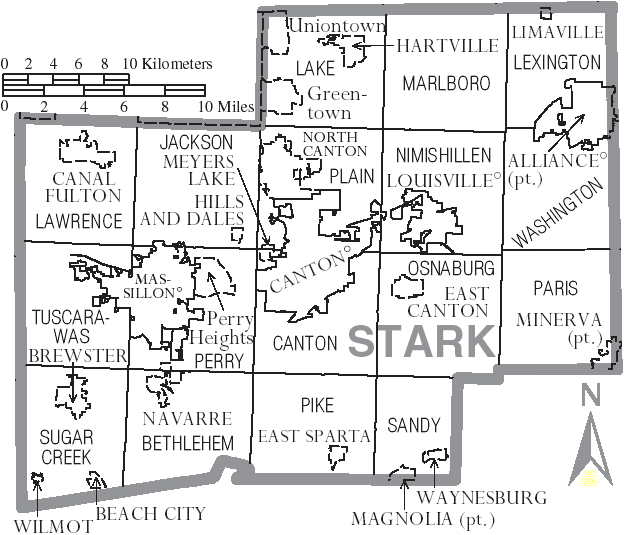
The county occupies a mix of small cities, suburbs and rural townships typical of the region. Major population centers include Canton, Massillon and North Canton, alongside numerous townships and villages. Transportation corridors and local rivers tie communities together and link Stark County to neighboring counties and metropolitan areas.
History and development
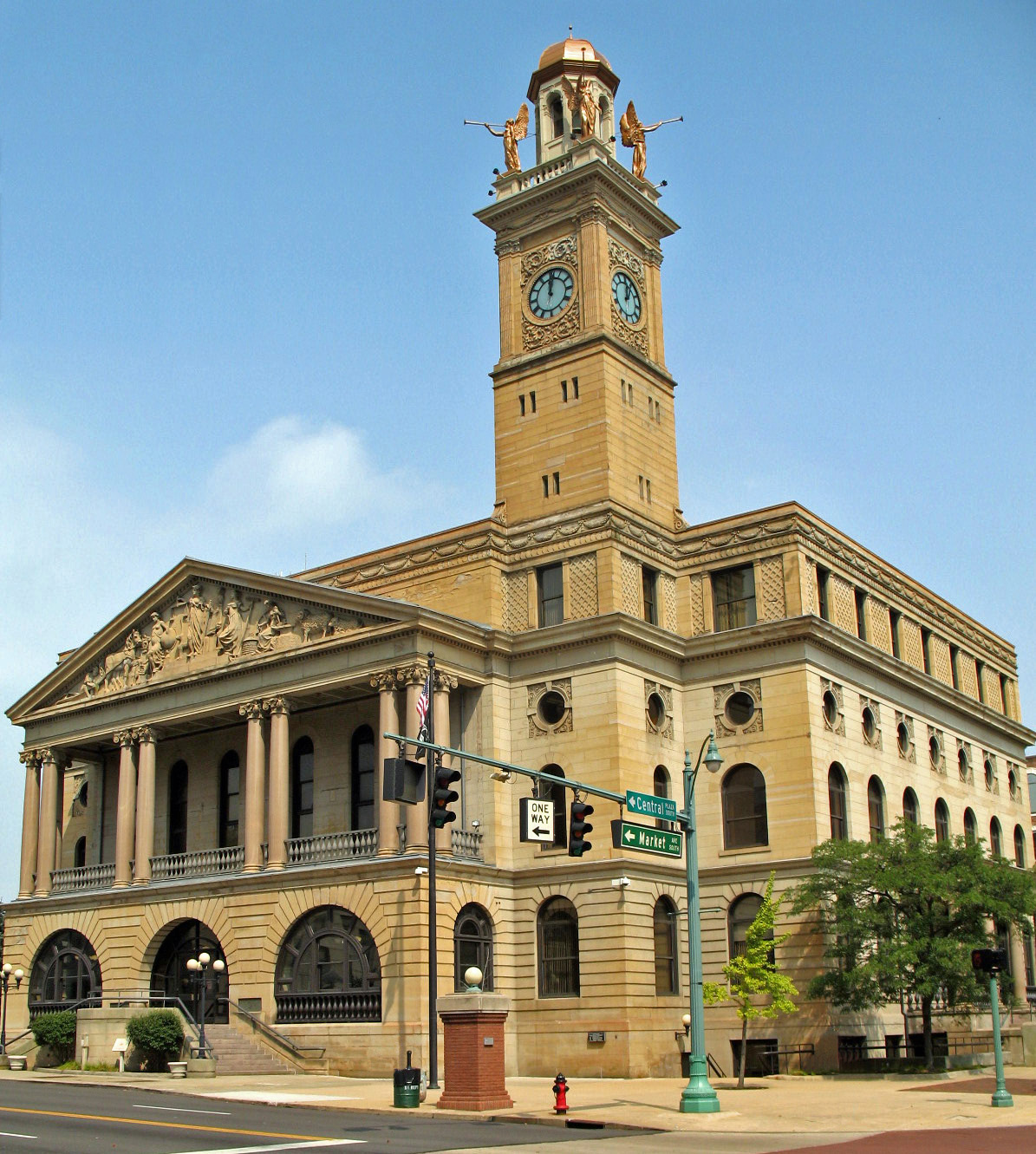
Formed in the early 19th century, Stark County developed from frontier settlement into an industrialized area in the 19th and 20th centuries. Manufacturing, particularly steel and related industries, played a major role in its growth. Over time the local economy diversified into healthcare, education and services while many historic civic and commercial buildings were established in county towns.
Economy, culture and institutions
The county's economy blends light manufacturing, healthcare, retail and public administration. Cultural and educational institutions serve the region; civic events, museums and sports are focal points of community life. The county government maintains local services and infrastructure — see the county page for official information on services and departments.
Notable facts and civic life
- Canton is known nationally as the home of the Pro Football Hall of Fame, an institution celebrating the sport's history and its greatest players.
- Stark County participates in regional planning and economic initiatives within Ohio; visitors and researchers can find state-level resources at Ohio portals and national data at federal sources.
- For local administration and services, the county seat and administrative offices in the county seat offer contact points for residents and businesses.
For further reading and statistics on demographics, economy and civic programs, consult local government and state resources or regional reference guides linked through official pages and civic organizations (county, state, national).
Related articles
Author
AlegsaOnline.com Stark County, Ohio Leandro Alegsa
URL: https://en.alegsaonline.com/art/93477