
Continental Airlines — history, network, merger, and legacy
Overview of Continental Airlines, a major U.S. carrier founded in 1937: its hubs, Pacific subsidiary, corporate identity, the 2010 merger with United and its continuing influence on commercial aviation.
Overview
Continental Airlines was a major American carrier headquartered in downtown Houston, Texas. Tracing its formal founding to 1937, the airline grew over many decades into one of the United States' largest network carriers by passenger traffic and route mileage. In its later years the company used the slogan Work Hard, Fly Right and maintained an extensive schedule of domestic and international services.
Image gallery
10 Images




Origins and growth
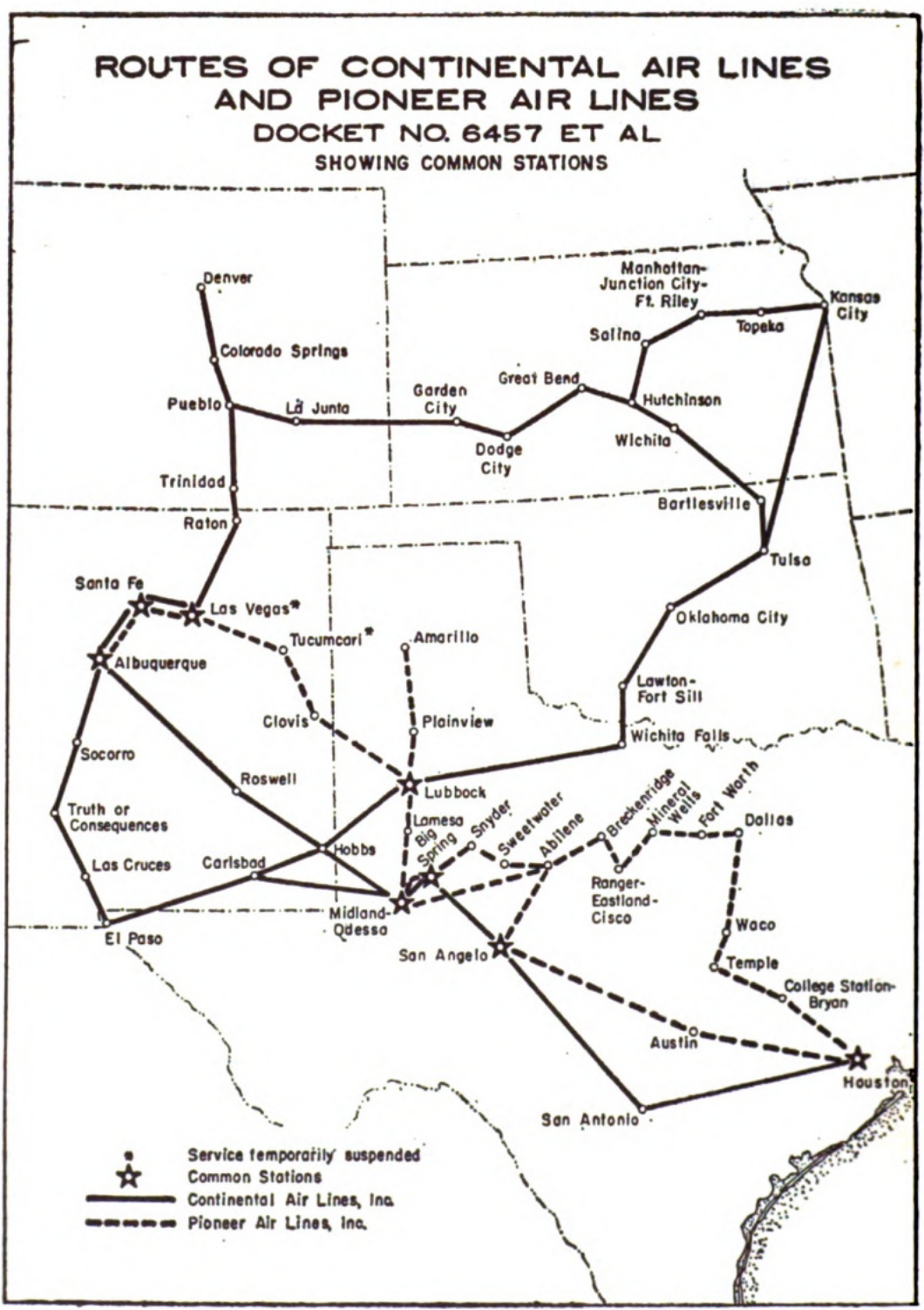
Continental began as a regional operator and expanded through scheduled route growth, fleet modernization and participation in commercial alliances. Its growth reflected broader trends in U.S. aviation including deregulation, consolidation and the transition to hub-and-spoke networks. Over time the carrier added long-haul international routes while maintaining dense domestic connections to serve business and leisure markets.
Network, hubs and subsidiaries
The airline maintained major operational bases and hubs that structured its route system. Principal hubs included Newark, New Jersey and the carrier's primary Houston base; these hub operations supported extensive transcontinental and transoceanic services. Many published summaries refer to Continental's three principal hubs when describing its schedule planning and market reach (hubs).
Continental's network spanned the contiguous United States, Canada, Latin America, Europe and the Asia–Pacific region. It reported thousands of daily departures to more than a hundred domestic and international destinations in the late 2000s, with a workforce in the tens of thousands.
The carrier also operated regionally focused subsidiaries. Notably, Continental Micronesia served island communities across Micronesia from its base at Antonio B. Won Pat International Airport in Guam, linking those markets with destinations in East Asia, Southeast Asia, Honolulu and Cairns.
Fleet, service and identity
Continental operated a mixed fleet of narrowbody and widebody aircraft suitable for short-haul, transcontinental and long-haul international flying. Its onboard products, frequent-flyer arrangements and airport services were competitive with those of other large U.S. carriers. The airline's visual identity evolved over time; an early well-known emblem was the stylized "tulip" designed by Saul Bass in the 1970s. Later branding featured a globe motif, which became prominent on aircraft and marketing materials.
The 2010 merger with United
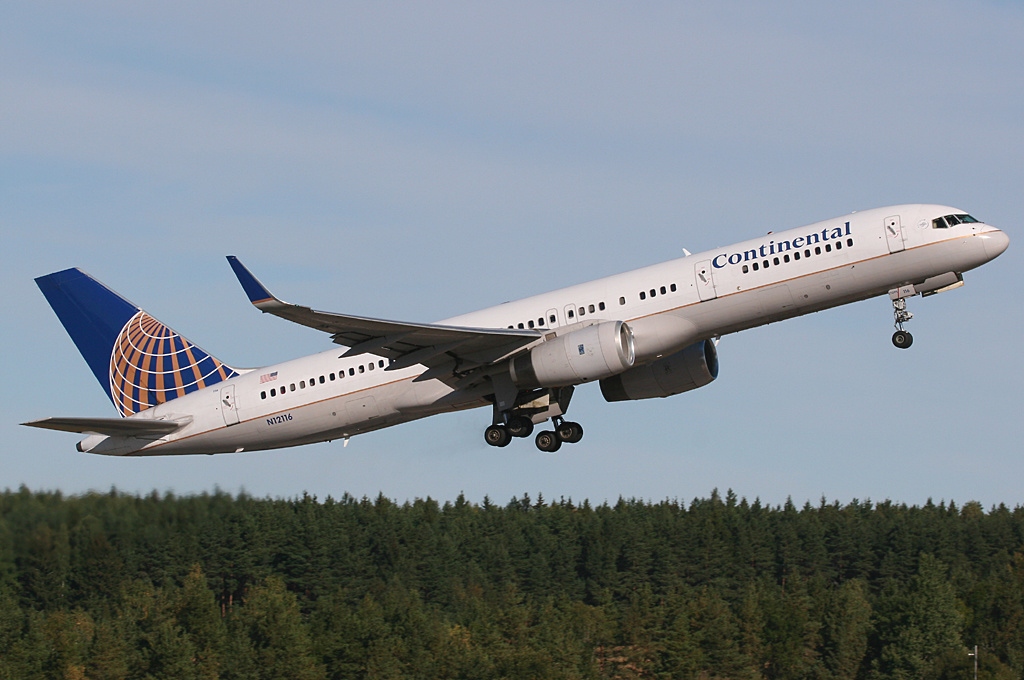
On May 3, 2010, Continental announced plans to combine with another major U.S. carrier (merger announcement). The transaction, approved later that year, produced a combined company whose corporate parent initially used the name United Continental Holdings. The passenger airline retained the United name while adopting Continental's globe livery on aircraft exteriors; this change prompted discussion among customers and observers about brand continuity and the retirement of the older tulip logo.
Legacy and significance
- Continental played an important role in developing intercontinental and trans-Pacific services and in connecting smaller island communities through its Micronesia subsidiary.
- The merger with United was part of a wave of consolidation in the U.S. airline industry that reshaped route maps, hub roles and competitive dynamics.
- Elements of Continental's operations, employee culture and network planning influenced the combined airline and are remembered by former staff, frequent flyers and aviation historians.
Further reading
For those seeking contemporary reporting, corporate statements and later analyses, consult historical summaries, industry reports and archived news accounts that document Continental's operational history, its hubs and the terms and effects of the 2010 merger. Additional corporate and regional resources may provide more detail on specific route developments and on the Pacific operations centered in Newark and Houston.
Questions and answers
Q: When was Continental Airlines founded?
A: Continental Airlines was founded in 1937.
Q: What was the slogan of Continental Airlines?
A: The slogan of Continental Airlines was "Work Hard, Fly Right".
Q: What is the name of the parent company after the merger with United Airlines?
A: After merging with United Airlines, the parent company changed its name to United Continental Holdings.
Q: How many destinations did Continental operate flights to?
A: Continental operated flights to 130 domestic and 132 international destinations.
Q: How many employees did they have as of December 2009?
A: As of December 2009, they had 42,210 employees.
Q: What were their three main hubs for operations?
A: Their three main hubs for operations were Newark Liberty International Airport, George Bush Intercontinental Airport, and Cleveland Hopkins International Airport.
Q: Who designed their iconic "tulip" logo in 1973?
A: The iconic "tulip" logo was designed by Saul Bass in 1973.
Related articles
Author
AlegsaOnline.com Continental Airlines — history, network, merger, and legacy Leandro Alegsa
URL: https://en.alegsaonline.com/art/22763
Sources
- airlinefiles.com : "Continental Airlines Files - airlinefiles"
- news.yahoo.com : "Continental, United to combine in $3 bln deal"